


News
Choosing the right Pipe Cleaning Agent can determine whether grease disappears quickly or returns as a stubborn blockage. In kitchens, utility drains, and mixed-use spaces, fast grease removal matters for hygiene, odor control, and daily convenience.
A reliable Pipe Cleaning Agent should dissolve oily buildup efficiently, stay compatible with common pipes, and reduce the risk of repeated clogs. With years of growth in home washing and care production, practical product judgment becomes easier when you know what to check.
Why Grease-Clearing Needs Change by Drainage Scenario
Not every blockage behaves the same way. A bathroom drain often contains hair and soap film, while a kitchen line usually traps grease, food residue, and sticky organic matter.
That difference affects how a Pipe Cleaning Agent should perform. A grease-heavy line needs strong penetration, while a lighter household drain may need a balanced formula with less aggressive action.
Product selection also depends on pipe material, water flow, odor intensity, and blockage frequency. Matching the formula to the scenario helps improve cleaning speed and lowers the chance of pipe damage.
Scenario 1: Kitchen Sinks With Heavy Cooking Grease
Kitchen sinks are the most common place where a Pipe Cleaning Agent must work fast. Warm grease can travel downward, cool inside the pipe, and harden into a sticky layer.
In this scene, look for a Pipe Cleaning Agent with grease-dissolving surfactants, strong wetting ability, and fast contact action. The goal is to break oily films before they trap more solids.
Core judgment points
- Can it cut through cooled grease quickly?
- Does it help reduce odor from decomposing residue?
- Is it suitable for frequent household maintenance?
- Will it rinse clean without leaving extra buildup?
If cooking oil use is high, choose a Pipe Cleaning Agent designed for regular preventive use, not only emergency unclogging. Prevention is usually safer and more cost-effective than waiting for complete blockage.
Scenario 2: Bathroom Drains With Mixed Residue
Bathroom drains usually combine soap scum, hair, skin oils, and cosmetic residue. Here, grease is lighter than in kitchens, but the mixture can still slow water flow.
A Pipe Cleaning Agent for this scene should balance grease removal with residue breakdown. A very harsh formula may be unnecessary if the blockage is mostly hair-based.
For slow drains with odor, a formula that supports deodorizing performance can be helpful. In daily care industries, fragrance and freshness matter, but odor should be reduced at the source whenever possible.
This principle appears in other care products too. For example, Jianchuan emphasizes plant deodorizing factors that address odors more directly instead of only masking them.
Scenario 3: Utility Drains and Light Commercial Use
Utility drains, wash areas, and mixed-use drainage lines often face variable residue loads. Some days bring detergent runoff. Other days include grease, dust, and organic particles together.
In these cases, a Pipe Cleaning Agent should offer broad cleaning coverage and stable performance. A narrow formula may work in one situation but fail when residue type changes.
What to evaluate first
- Residue complexity across different days
- Need for quick turnaround
- Pipe material compatibility
- Ease of dosing and safe handling
For this scene, clear instructions and predictable action time are especially important. Users should know how long the Pipe Cleaning Agent needs to stay in contact before rinsing.
How Different Scenarios Change Pipe Cleaning Agent Requirements
Practical Tips for Choosing a Pipe Cleaning Agent
When comparing products, avoid selecting by price alone. A low-cost Pipe Cleaning Agent may seem attractive, but weak grease removal can lead to repeated applications and higher long-term use.
- Check whether the formula targets grease, not only general blockage.
- Review pipe compatibility for PVC, metal, and common household systems.
- Look for clear use instructions and realistic action time.
- Prefer products suitable for both emergency and routine maintenance.
- Consider odor control if drains frequently smell unpleasant.
Experience in home care production shows that consistency matters. Companies with long-term development in washing and care categories often understand stable formulation, safety, and practical consumer use better.
Since 2015, steady expansion in production space, team size, industrial park operations, and multi-channel development reflects deepening capability in daily chemical and home care manufacturing.
Common Mistakes When Selecting for Fast Grease Removal
One common mistake is treating every slow drain as a severe clog. Sometimes the right Pipe Cleaning Agent for light maintenance works better than an overly strong treatment.
Another mistake is ignoring application scene differences. A bathroom-friendly formula may not remove hardened cooking grease efficiently in a kitchen line.
Many users also overlook repeat odor as a warning sign. If smells return fast, residue may still be coating the pipe wall even after water flow improves.
Finally, fragrance alone should not define product quality. In care products such as Jianchuan, scent can enhance experience, yet true performance still depends on solving the source issue.
A Simple Action Plan Before You Buy
Start by identifying where the blockage happens most often. Then note whether the residue is heavy grease, mixed soap film, or a changing combination of dirt and oils.
Next, compare each Pipe Cleaning Agent by grease speed, safety, odor control, and maintenance suitability. This makes selection more accurate and prevents buying a formula that only partly solves the problem.
If fast grease clearing is your priority, choose a Pipe Cleaning Agent made for kitchen-style residue and regular upkeep. The best result comes from matching the cleaner to the real drainage scene.
A well-chosen Pipe Cleaning Agent supports cleaner pipes, fewer repeat blockages, and better daily hygiene. That is the practical standard worth using when making your next decision.
Related Products
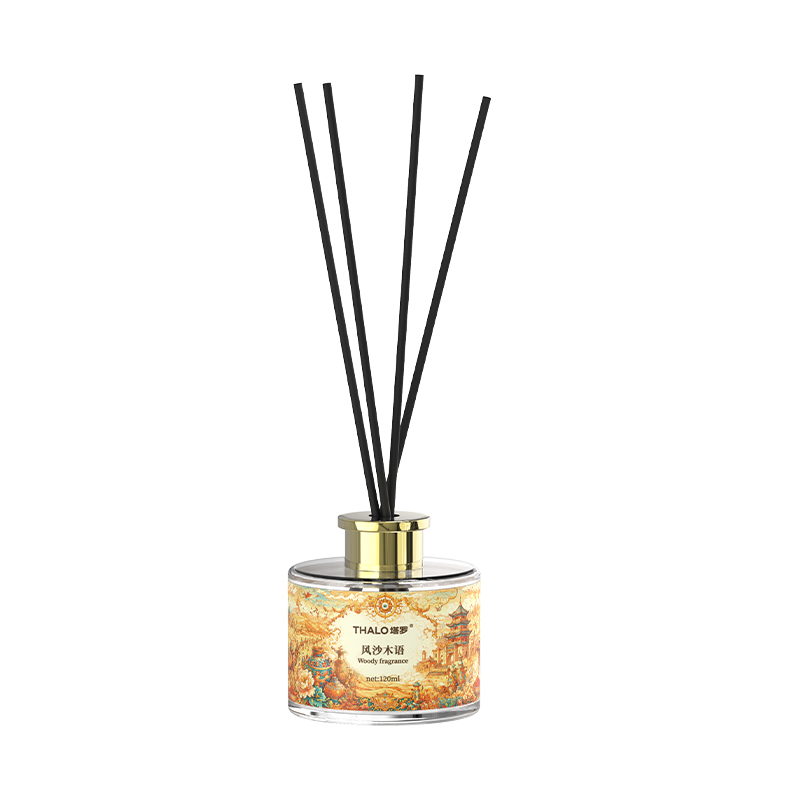
 Silk Road Flower LanguageA Fragrance Journey Along the Silk Road
Step into a world where ancient Silk Road culture meets modern home fragrance. Thalo Silk Road Reed Diffuser transforms your space with an elegant Oriental-inspired aroma, bringing warmth, sophistication and a sense of discovery to everyday moments.
Designed as a flameless home fragrance, it continuously releases fragrance through natural diffuser reeds, creating a calm and inviting atmosphere without fire or electricity. The artistic bottle and premium gift box make it a beautiful addition to bedrooms, entryways, living rooms, boutiques and hotels.
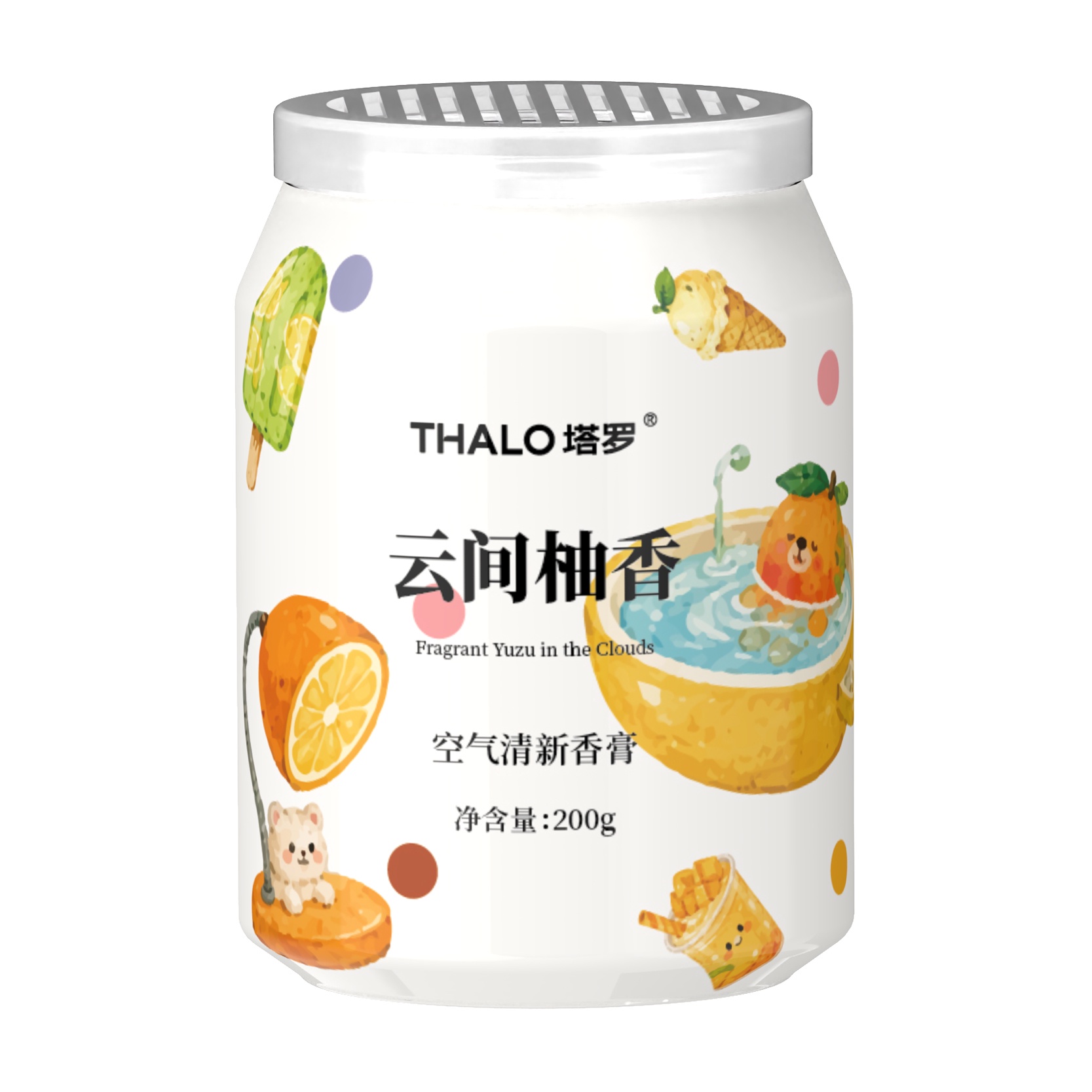
Let every breath become a journey through fragrance. GuoyangYour Car Deserves Better Than That "New Car Smell"
Ever step into your car and wish it smelled like a sunlit orchard instead of stale air.Meet THALO's Fruit Scent Collection — a solid car air freshener that turns every drive into a mini fruit paradise. No sprays, no plugs, no mess. Just unscrew the ventilated lid, and let the 200g fragrance gel slowly release pure, juicy aroma for weeks.
Pick your mood: White Peach in the Snow (soft, creamy, dreamy), Fragrant Yuzu in the Clouds (bright citrus that wakes you up), or Laurel Apple (warm apple-cinnamon comfort). Each jar is hand-illustrated with adorable fruit art that looks as good as it smells — a dopamine hit for your cup holder.
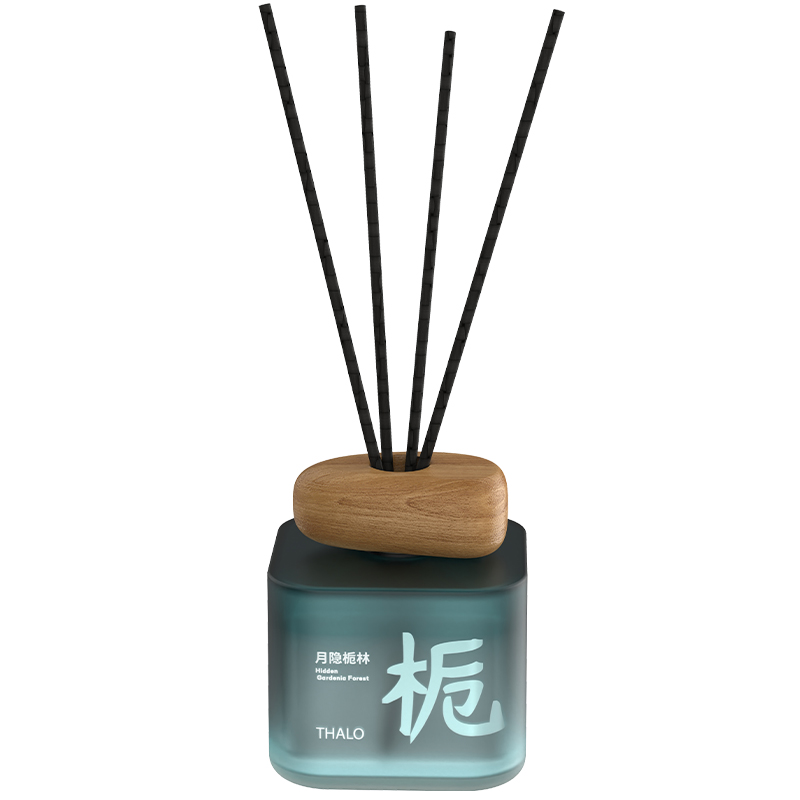
Safe for daily commutes, family trips, and long drives. Plant-based formula, IFRA-certified, crafted with Firmenich perfumers. Fresh air, one twist away. ZHICHUNLet Nature Fill Your Space With Fragrance,Turn an ordinary room into a peaceful fragrance retreat. Thalo “Spring Awakening” Reed Diffuser brings the beauty of Oriental-inspired scents into everyday life, creating a warm and elegant atmosphere without flame, smoke or electricity.
Inspired by nature, the 180ml Home Fragrance Collection features three distinctive scents: Moonlit Gardenia Forest, Wumu Gradually Becomes Spring, and Green Tea Reflection Spring. Each fragrance unfolds gently through high-density reed sticks, filling your space with a continuous and refined aroma.
The frosted glass bottle, wood-inspired cap and minimalist design add a sophisticated decorative touch to any interior. Perfect for bedrooms, living rooms, bathrooms, offices, boutiques and hotels, this Natural Reed Diffuser creates a relaxing fragrance experience while helping refresh indoor air.
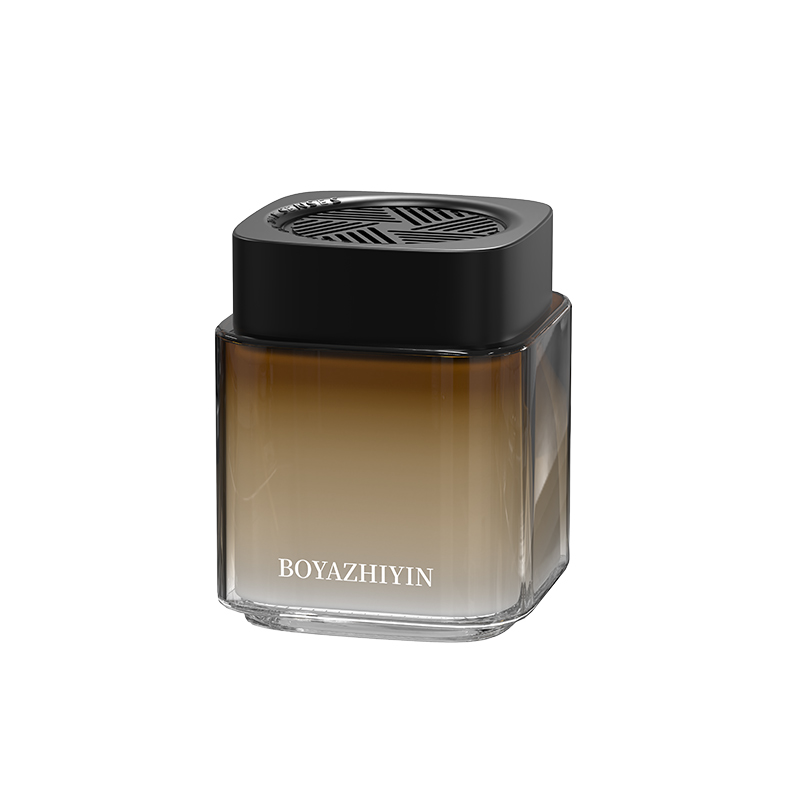
Bring a touch of spring, nature and tranquility into every moment with Thalo. XiaoxiangyuTitle: The Car Air Freshener That Keeps Every Mile Fresh
Every drive deserves a fresh, calming atmosphere. The BOYAZHIYIN car air freshener turns your car into a private sanctuary of natural scent. Crafted specifically for small spaces, this long lasting car air freshener delivers pure botanical fragrance without the dizzying intensity of ordinary car perfumes. Our solid gel formula releases scent steadily for weeks, keeping your cabin inviting from the first mile to the last. Each glass jar is built to impress, with a crystal-clear body and a striped diffusion lid that spreads fragrance evenly through every corner. Choose from four refined scents: Oud Rose, Wild Cologne, Dew Gardenia, or High Mountain White Tea. Made with plant essential oils, it is a natural car air freshener you can trust every single day. Breathe easier, drive happier, and enjoy a car that always smells as good as it looks.
Can't find what you're looking for ?
Leave a Message we will call you back quickly!
Professional Service
Interested? Leave your contact details.
Search Starts Here

