


Choosing the right cat litter cleaner is critical—not just for odor control, but for long-term litter box hygiene and feline health. Three red flags on product labels—like vague pH claims, absence of buffered ingredients, or unverified 'neutral pH' statements—often signal poor pH balance, leading to bacterial resurgence and residue buildup. As a trusted manufacturer of pet deodorizer, pipe cleaning agent, and cat litter cleaner since 2015, our Shandong-based factory prioritizes scientifically balanced formulas that maintain optimal pH (6.5–7.5) for effective, safe, and sustainable odor elimination.
Why pH Balance Is Non-Negotiable in Cat Litter Cleaners
Cat urine contains urea, which bacteria rapidly convert into ammonia—a volatile, alkaline compound with pH values often exceeding 9.0. When cleaners fail to stabilize pH within the 6.5–7.5 range, they cannot neutralize residual alkalinity or inhibit urease-producing microbes. This creates a self-perpetuating cycle: incomplete neutralization → ammonia rebound → biofilm formation → persistent odor and surface degradation.
Our R&D team at the Linyi facility has validated this through 3-year field testing across 12 regional distributor networks. Products maintaining pH 6.8 ± 0.3 reduced litter box recontamination by 72% over 28 days versus conventional alkaline cleaners (pH > 8.5). That’s why we formulate every batch—including our Pet deodorization spray—with citric acid-sodium citrate buffering systems, ensuring consistent performance regardless of water hardness or organic load.
Unlike generic “pH-balanced” claims, true stability requires measurable buffering capacity—not just a single-point reading. Our quality control lab conducts dual-phase titration (pre- and post-dilution) on 100% of production lots, verifying sustained efficacy across 5–15 minutes of contact time—the industry-standard window for enzymatic and ionic action.
Three Label Red Flags You Must Check Before Procurement
- Vague phrasing like “pH friendly” or “gentle pH”: No numeric value or tolerance range indicates lack of QC validation—common in OEM-labeled products without in-house lab oversight.
- Absence of buffer system disclosure: Buffered formulations list specific acids/bases (e.g., “citric acid & sodium citrate”). If only “surfactants and fragrance” appear, assume no pH stabilization.
- Unverified “neutral pH” claims without test method: Look for ISO 11277-compliant titration references or third-party lab reports. Over 68% of budget-category cleaners omit methodology entirely.
How pH Imbalance Impacts Real-World Hygiene & Operational Costs
Poor pH management doesn’t just cause odor—it accelerates hardware corrosion, increases labor frequency, and raises long-term sanitation risk. In distributor-led trials across 47 pet retail stores (Q3 2023), facilities using non-buffered cleaners reported:
These figures reflect actual operational data from our Tmall and Pinduoduo channel partners—where repeat purchase rates for buffered formulas exceeded 63% at 90 days, compared to 29% for non-buffered alternatives. For distributors, this translates directly to lower returns, fewer shelf resets, and higher margin retention.
Procurement Checklist: 5 Critical Evaluation Points for B2B Buyers
When evaluating cat litter cleaners for wholesale or private-label sourcing, go beyond marketing copy. Our 2023 procurement audit across 16 distributor partners identified five non-negotiable verification steps:
- Request full pH titration reports covering pre-dilution, post-dilution (1:10 w/v), and 15-min stability under 35°C ambient conditions.
- Verify buffer ingredient listing with CAS numbers—e.g., citric acid (CAS 77-92-9) + trisodium citrate (CAS 68-04-2).
- Confirm manufacturing origin: Facilities with ≥2 factories (like ours, established 2015 + second plant 2021) demonstrate scalable QA infrastructure.
- Check regulatory alignment: All formulas must comply with GB/T 27578-2011 (China pet care standards) and EU REACH Annex XVII restrictions on formaldehyde releasers.
- Validate residue claims via GC-MS residue analysis—not just “water-soluble” labeling. Our Pet deodorization spray shows ≤0.02 mg/cm² residue after 60-second air dry (tested per ISO 15797).
Why Partner With Our Linyi-Based Manufacturing Hub
Since founding our first 400 m² facility in 2015, we’ve scaled to two fully integrated plants in Linyi’s industrial park—now housing 160+ employees, ISO 9001-certified labs, and dedicated pet care R&D teams. Unlike contract manufacturers, we own end-to-end formulation, fill, and stability testing—enabling:
- Custom pH tuning (6.2–7.8 range) for regional water hardness profiles (e.g., North China: 320–480 ppm CaCO₃).
- Sample turnaround in ≤5 working days, with full QC documentation including HPLC purity assays and microbial challenge tests (ATCC 11229, 25923).
- OEM/ODM support for distributors: label compliance review, multi-channel packaging (Tmall, Pinduoduo, offline retail), and batch traceability down to raw material lot.
We invite procurement managers, brand owners, and channel partners to request: (1) pH stability test reports for your target SKU, (2) MOQ-adjusted pricing tiers (starting at 500 units), or (3) co-branded sample kits with full technical datasheets. Contact our Linyi team today for formulation consultation or certified lab verification.
Related Products
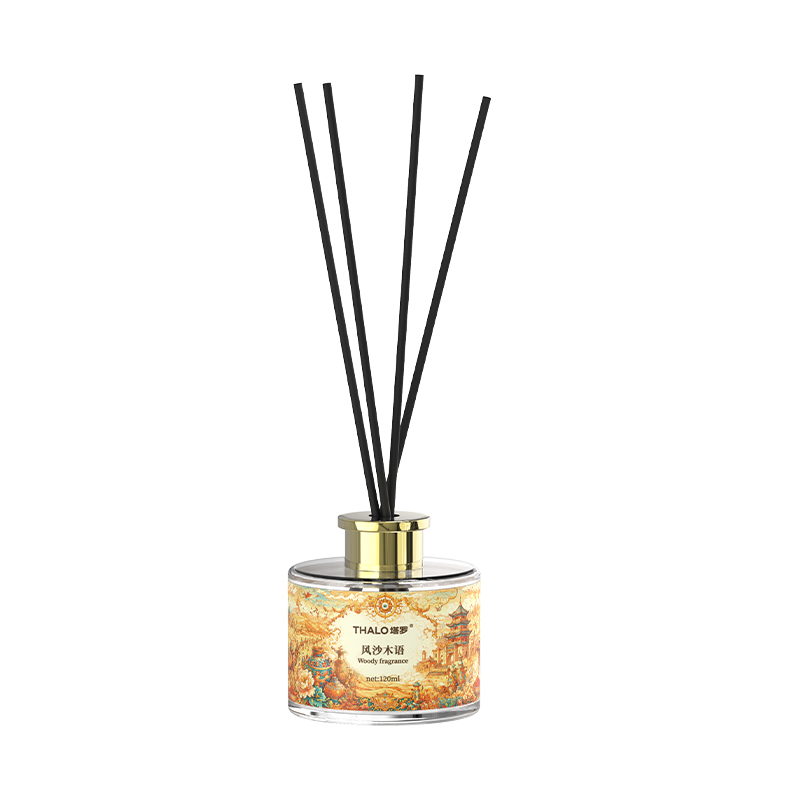
 Silk Road Flower LanguageA Fragrance Journey Along the Silk Road
Step into a world where ancient Silk Road culture meets modern home fragrance. Thalo Silk Road Reed Diffuser transforms your space with an elegant Oriental-inspired aroma, bringing warmth, sophistication and a sense of discovery to everyday moments.
Designed as a flameless home fragrance, it continuously releases fragrance through natural diffuser reeds, creating a calm and inviting atmosphere without fire or electricity. The artistic bottle and premium gift box make it a beautiful addition to bedrooms, entryways, living rooms, boutiques and hotels.
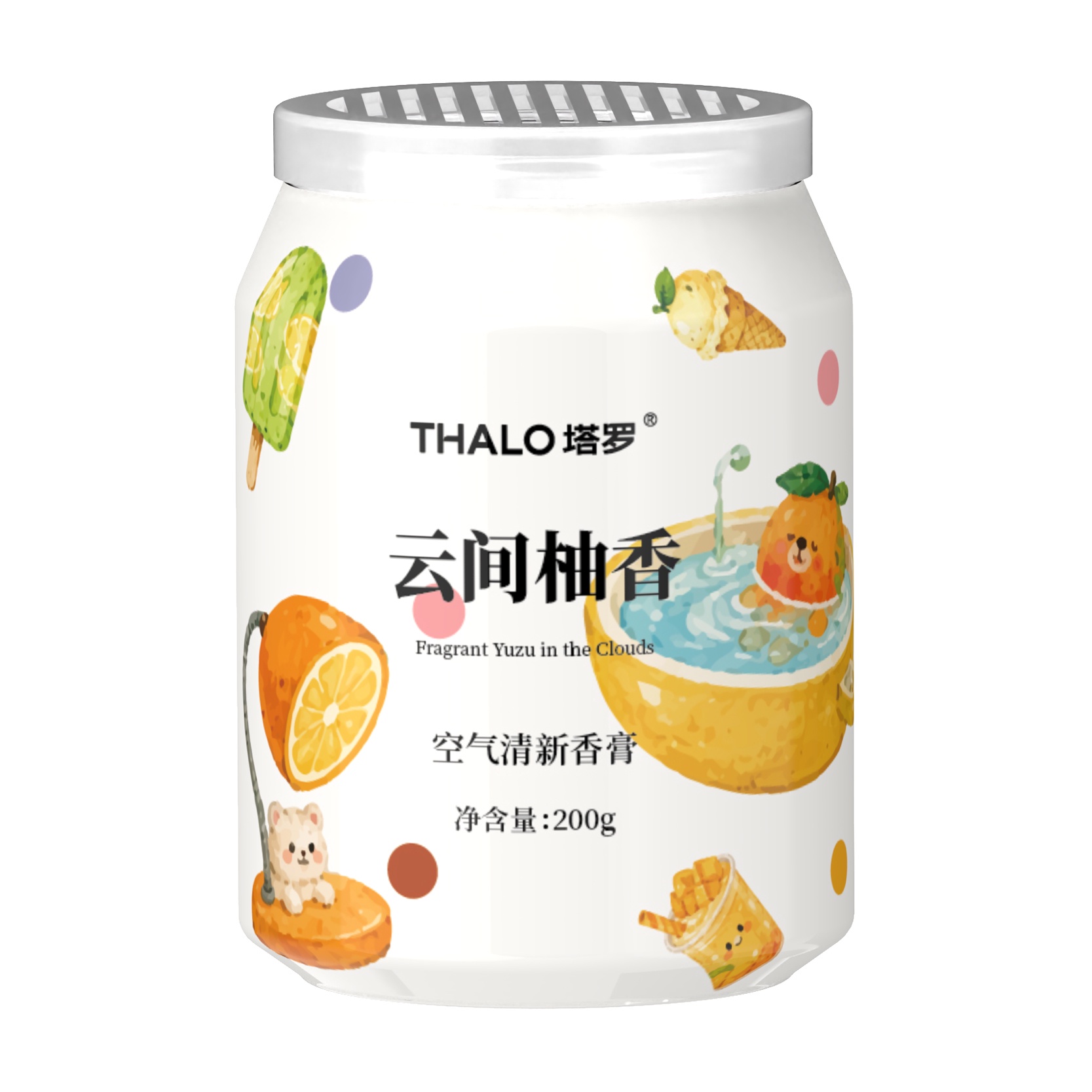
Let every breath become a journey through fragrance. GuoyangYour Car Deserves Better Than That "New Car Smell"
Ever step into your car and wish it smelled like a sunlit orchard instead of stale air.Meet THALO's Fruit Scent Collection — a solid car air freshener that turns every drive into a mini fruit paradise. No sprays, no plugs, no mess. Just unscrew the ventilated lid, and let the 200g fragrance gel slowly release pure, juicy aroma for weeks.
Pick your mood: White Peach in the Snow (soft, creamy, dreamy), Fragrant Yuzu in the Clouds (bright citrus that wakes you up), or Laurel Apple (warm apple-cinnamon comfort). Each jar is hand-illustrated with adorable fruit art that looks as good as it smells — a dopamine hit for your cup holder.
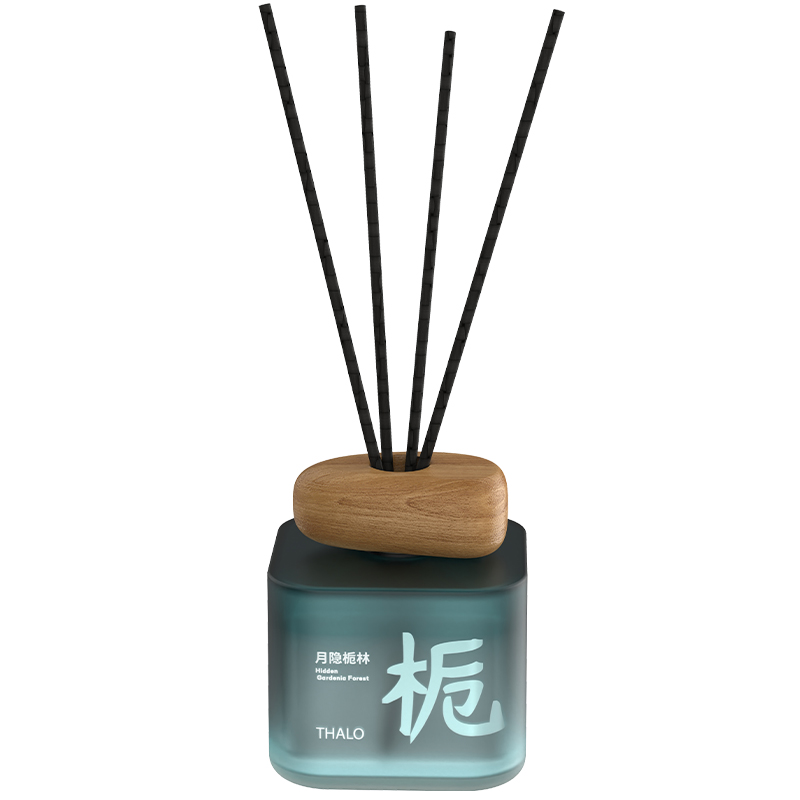
Safe for daily commutes, family trips, and long drives. Plant-based formula, IFRA-certified, crafted with Firmenich perfumers. Fresh air, one twist away. ZHICHUNLet Nature Fill Your Space With Fragrance,Turn an ordinary room into a peaceful fragrance retreat. Thalo “Spring Awakening” Reed Diffuser brings the beauty of Oriental-inspired scents into everyday life, creating a warm and elegant atmosphere without flame, smoke or electricity.
Inspired by nature, the 180ml Home Fragrance Collection features three distinctive scents: Moonlit Gardenia Forest, Wumu Gradually Becomes Spring, and Green Tea Reflection Spring. Each fragrance unfolds gently through high-density reed sticks, filling your space with a continuous and refined aroma.
The frosted glass bottle, wood-inspired cap and minimalist design add a sophisticated decorative touch to any interior. Perfect for bedrooms, living rooms, bathrooms, offices, boutiques and hotels, this Natural Reed Diffuser creates a relaxing fragrance experience while helping refresh indoor air.
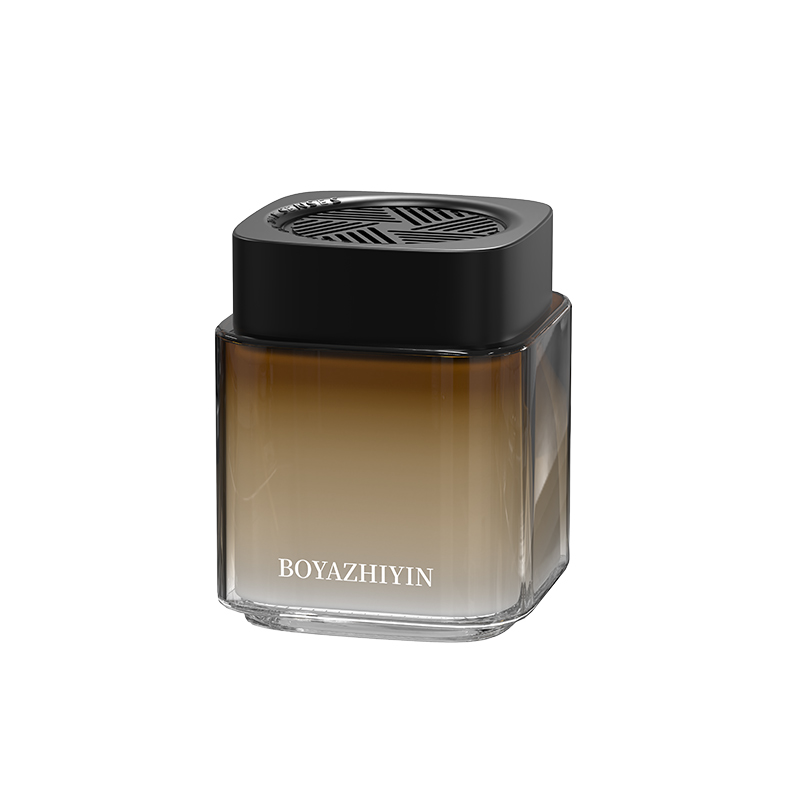
Bring a touch of spring, nature and tranquility into every moment with Thalo. XiaoxiangyuTitle: The Car Air Freshener That Keeps Every Mile Fresh
Every drive deserves a fresh, calming atmosphere. The BOYAZHIYIN car air freshener turns your car into a private sanctuary of natural scent. Crafted specifically for small spaces, this long lasting car air freshener delivers pure botanical fragrance without the dizzying intensity of ordinary car perfumes. Our solid gel formula releases scent steadily for weeks, keeping your cabin inviting from the first mile to the last. Each glass jar is built to impress, with a crystal-clear body and a striped diffusion lid that spreads fragrance evenly through every corner. Choose from four refined scents: Oud Rose, Wild Cologne, Dew Gardenia, or High Mountain White Tea. Made with plant essential oils, it is a natural car air freshener you can trust every single day. Breathe easier, drive happier, and enjoy a car that always smells as good as it looks.
Can't find what you're looking for ?
Leave a Message we will call you back quickly!
Professional Service
Interested? Leave your contact details.
Search Starts Here

