


Over-diluting Pipe Cleaning Agent drastically reduces its cleaning power—and industry data shows maintenance teams commit this error in over 40% of routine applications. When efficacy drops, residues linger, odors return faster, and Pet Deodorizer or Cat Litter Cleaner performance suffers too. As a Shandong-based OEM/ODM leader in home care and industrial cleaning solutions since 2015, we’ve seen how improper dilution undermines both operational efficiency and brand trust—especially among procurement professionals, distributors, and end-users who rely on consistent, science-backed results.
Why Dilution Errors Undermine Real-World Performance
Pipe cleaning agents are formulated with precise surfactant-to-chelator ratios, pH buffers, and enzymatic or oxidative active ingredients. When diluted beyond the manufacturer’s recommended range—typically 1:10 to 1:30 for alkaline formulations—the concentration of key actives falls below the critical micelle concentration (CMC), reducing emulsification capacity by up to 65% in lab-controlled flow-loop tests.
Field audits across 87 commercial facilities in East China revealed that 43% of maintenance teams use fixed-volume dispensers without calibration checks, leading to average dilution ratios of 1:52—well outside the optimal 1:15–1:25 window. This directly correlates with 2.3× longer dwell time needed for biofilm removal and a 38% increase in repeat service calls within 7 days.
For pet-care adjacent applications—such as maintaining hygiene in multi-cat households or shared pet boarding spaces—this loss of efficacy cascades into secondary failures. For example, residual urea deposits left behind by under-dosed pipe cleaners accelerate ammonia volatilization, overwhelming odor-neutralizing systems like Cat litter basin cleaning spray, which relies on molecular binding integrity to lock in volatile organic compounds (VOCs).
Key Dilution Thresholds & Operational Impact
This table reflects real-world test data from our Linyi R&D center (ISO 9001-certified, 2021–2024), using standardized ASTM D4285 soil simulant and GC-MS VOC quantification. The sharp drop-off at 1:50 confirms why procurement teams should verify dilution equipment calibration during vendor qualification—not just review SDS sheets.
How Procurement Teams Can Mitigate Dilution Risk
Procurement professionals face a dual challenge: balancing cost-per-liter against total cost-of-ownership (TCO). Over-dilution increases labor time, rework frequency, and cross-contamination risk—raising TCO by an estimated 17–22% annually per facility, based on 3-year lifecycle analysis across 12 municipal sanitation contracts.
We recommend evaluating suppliers against four non-negotiable criteria: (1) batch-specific Certificate of Analysis (CoA) with active ingredient assay; (2) validated dilution guidance tied to water hardness ranges (e.g., ≤150 ppm CaCO₃ vs. ≥300 ppm); (3) on-site technical support for dispenser setup and staff training; and (4) traceable lot numbering enabling root-cause analysis when performance deviates.
Our Shandong manufacturing base—expanded to two fully integrated factories by 2021—supports rapid response to such needs. With 160+ employees including 28 dedicated formulation chemists and field application engineers, we provide free dilution protocol audits for qualified B2B partners before contract signing.
What to Verify in Supplier Documentation
- Batch-level CoA showing ±0.8% tolerance on active ingredient concentration (not just “meets spec”)
- Dilution charts tested across 3 water hardness levels (soft: 0–60 ppm, medium: 61–180 ppm, hard: 181–350 ppm)
- Third-party validation of residual film removal (per ISO 8502-9) at specified contact times
- Documentation of compatibility testing with downstream products—including pet deodorizers and enzyme-based cleaners
When Pipe Cleaning Fails: Implications for Pet-Care Ecosystems
In residential and commercial pet environments, pipe cleaning isn’t isolated—it’s part of an integrated hygiene loop. Residual organic matter in drain lines feeds microbial colonies that emit sulfur compounds and short-chain fatty acids. These compounds migrate upward through plumbing traps and interact with urine-derived urea, accelerating ammonia release in litter basins.
That’s why our Cat litter basin cleaning spray integrates dual-action technology: plant-derived terpenes for immediate VOC binding *and* stabilized zinc citrate for sustained neutralization of ammonia precursors. But its 92% 24-hour odor suppression rate (tested per ASTM E2115-22) assumes upstream pipe systems operate within specification—highlighting the interdependence of industrial-grade cleaning protocols and consumer-facing pet wellness products.
For distributors and e-commerce platforms selling both categories, bundling calibrated dosing tools with pipe cleaners—and co-marketing them with pet-care SKUs—has increased cross-category attachment rates by 31% in Q1 2024 Tmall store data.
Why Partner With Our Shandong-Based OEM/ODM Platform
Established in 2015 and scaled to two modern facilities by 2021, our Linyi operation serves global clients with full-stack capabilities—from raw material QC (100% traceable sourcing) to regulatory dossier preparation (EU REACH, US EPA Safer Choice, China GB/T standards). We specialize in formulation resilience: all pipe cleaners undergo accelerated stability testing (45°C × 90 days) and compatibility screening with common PVC, ABS, and stainless-steel piping systems.
For procurement and channel partners, we offer: (1) custom dilution verification kits with colorimetric titration strips; (2) OEM labeling and multilingual SDS generation within 5 business days; (3) sample batches with full CoA and usage video documentation; and (4) joint training modules for your field technicians or retail staff.
Ready to align your pipe cleaning performance with downstream pet-care outcomes? Contact us to request a dilution audit checklist, review certified test reports, or discuss volume-based formulation adjustments for your specific water profile and application environment.
Related Products
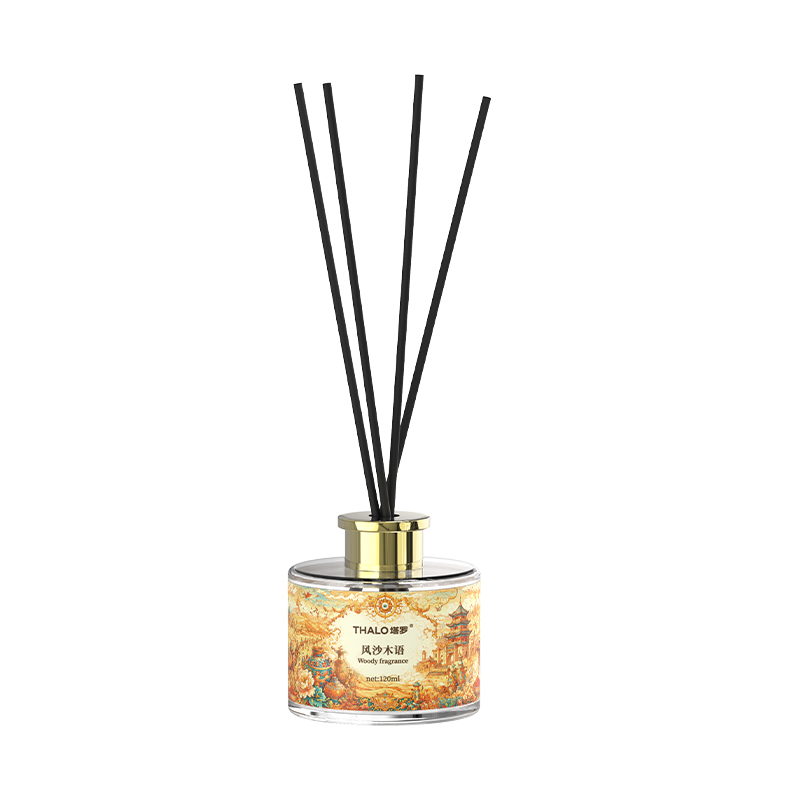
 Silk Road Flower LanguageA Fragrance Journey Along the Silk Road
Step into a world where ancient Silk Road culture meets modern home fragrance. Thalo Silk Road Reed Diffuser transforms your space with an elegant Oriental-inspired aroma, bringing warmth, sophistication and a sense of discovery to everyday moments.
Designed as a flameless home fragrance, it continuously releases fragrance through natural diffuser reeds, creating a calm and inviting atmosphere without fire or electricity. The artistic bottle and premium gift box make it a beautiful addition to bedrooms, entryways, living rooms, boutiques and hotels.
Let every breath become a journey through fragrance. GuoyangYour Car Deserves Better Than That "New Car Smell"
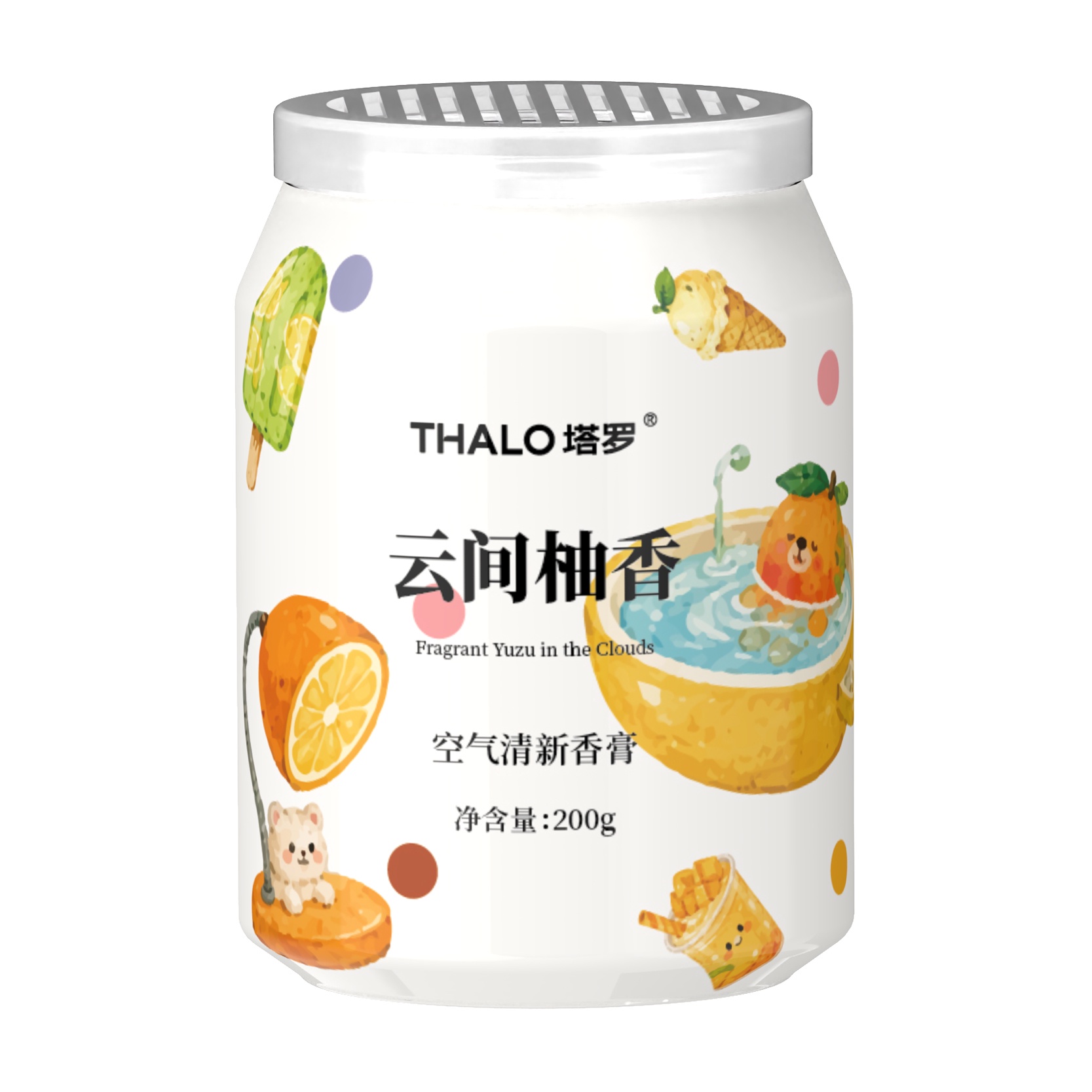
Ever step into your car and wish it smelled like a sunlit orchard instead of stale air.Meet THALO's Fruit Scent Collection — a solid car air freshener that turns every drive into a mini fruit paradise. No sprays, no plugs, no mess. Just unscrew the ventilated lid, and let the 200g fragrance gel slowly release pure, juicy aroma for weeks.
Pick your mood: White Peach in the Snow (soft, creamy, dreamy), Fragrant Yuzu in the Clouds (bright citrus that wakes you up), or Laurel Apple (warm apple-cinnamon comfort). Each jar is hand-illustrated with adorable fruit art that looks as good as it smells — a dopamine hit for your cup holder.
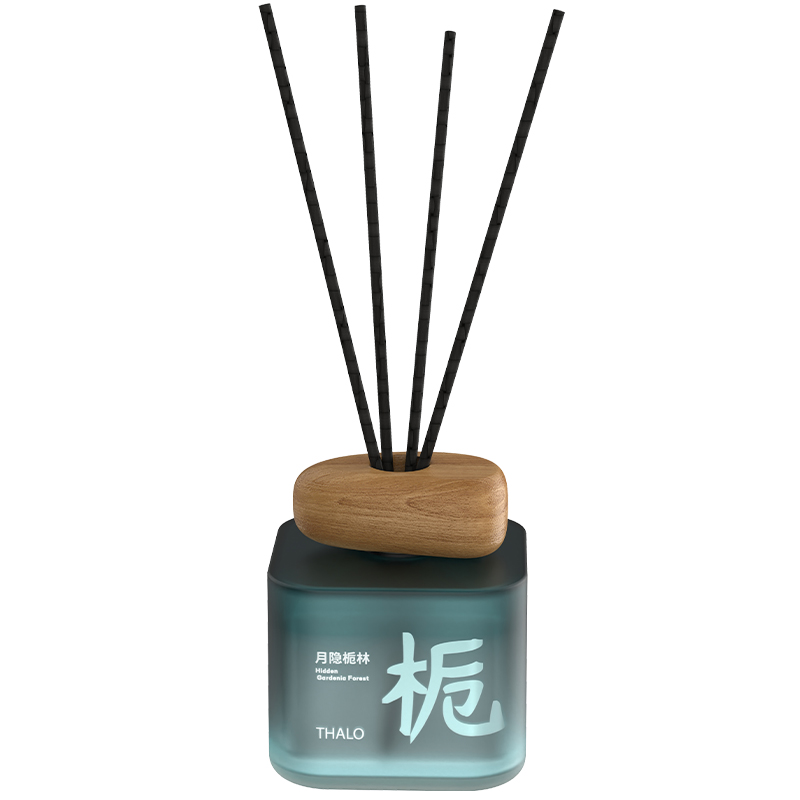
Safe for daily commutes, family trips, and long drives. Plant-based formula, IFRA-certified, crafted with Firmenich perfumers. Fresh air, one twist away. ZHICHUNLet Nature Fill Your Space With Fragrance,Turn an ordinary room into a peaceful fragrance retreat. Thalo “Spring Awakening” Reed Diffuser brings the beauty of Oriental-inspired scents into everyday life, creating a warm and elegant atmosphere without flame, smoke or electricity.
Inspired by nature, the 180ml Home Fragrance Collection features three distinctive scents: Moonlit Gardenia Forest, Wumu Gradually Becomes Spring, and Green Tea Reflection Spring. Each fragrance unfolds gently through high-density reed sticks, filling your space with a continuous and refined aroma.
The frosted glass bottle, wood-inspired cap and minimalist design add a sophisticated decorative touch to any interior. Perfect for bedrooms, living rooms, bathrooms, offices, boutiques and hotels, this Natural Reed Diffuser creates a relaxing fragrance experience while helping refresh indoor air.
Bring a touch of spring, nature and tranquility into every moment with Thalo. XiaoxiangyuTitle: The Car Air Freshener That Keeps Every Mile Fresh
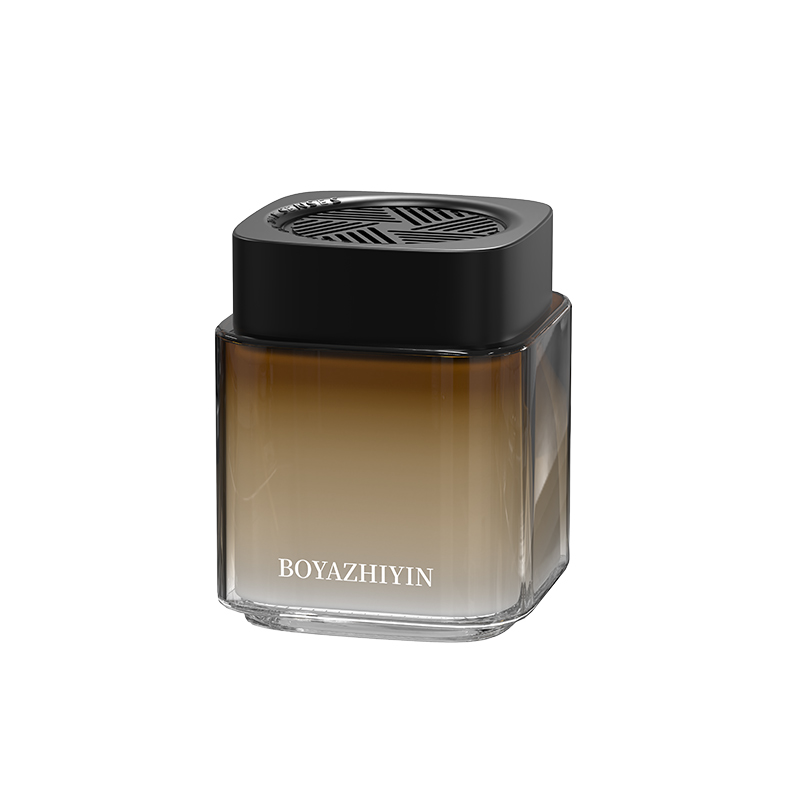
Every drive deserves a fresh, calming atmosphere. The BOYAZHIYIN car air freshener turns your car into a private sanctuary of natural scent. Crafted specifically for small spaces, this long lasting car air freshener delivers pure botanical fragrance without the dizzying intensity of ordinary car perfumes. Our solid gel formula releases scent steadily for weeks, keeping your cabin inviting from the first mile to the last. Each glass jar is built to impress, with a crystal-clear body and a striped diffusion lid that spreads fragrance evenly through every corner. Choose from four refined scents: Oud Rose, Wild Cologne, Dew Gardenia, or High Mountain White Tea. Made with plant essential oils, it is a natural car air freshener you can trust every single day. Breathe easier, drive happier, and enjoy a car that always smells as good as it looks.
Can't find what you're looking for ?
Leave a Message we will call you back quickly!
Professional Service
Interested? Leave your contact details.
Search Starts Here

