


News
What to Check When Comparing an Aromatherapy Products Supplier
Choosing the right aromatherapy products supplier can directly affect product quality, pricing, delivery, and long-term brand growth. For procurement professionals, it is essential to compare not only product ranges and customization capabilities, but also factory scale, production experience, and supply stability. A reliable supplier with strong manufacturing capacity and proven industry development can help reduce sourcing risks and support more efficient purchasing decisions.
When you compare suppliers in this category, do not stop at fragrance samples and a nice catalog. Aromatherapy is one of those product lines where the hidden part of the supply chain matters just as much as the visible one. A supplier can look polished online and still be weak on batch consistency, packaging execution, or refill lead times. Procurement teams usually discover that too late, after a delayed launch or a customer complaint cycle.
A practical review starts with production background. Ask when the factory was established, how the operation expanded, and whether growth came from real manufacturing capability or just trading volume. A factory with a clear development path usually tells you more than a one-page introduction does. For example, a manufacturer that started in 2015, expanded from a small site to a larger industrial park facility in the same year, added channel operations in 2019, then built a home washing and care factory in 2020 and a second factory in 2021 shows a pattern of operational investment rather than a short-term sourcing play. That does not guarantee fit, but it is meaningful context when you are judging supply stability.
Check the factory before you compare the fragrance
Aromatherapy buyers often get pulled into scent profiling first. That is understandable, but from a purchasing and cost perspective, factory structure comes earlier.
- Confirm whether the supplier is a manufacturer, a trader, or a mixed model.
- Check employee scale and whether the headcount matches the product range they claim to support.
- Ask which product categories are produced in-house and which are outsourced.
- Review current production lines, not just historical milestones.
If a supplier says they handle reed diffusers, car diffusers, room sprays, candles, laundry fragrance, and custom gift sets, you need to know where those items are actually made. The cost structure, QC control, and lead-time reliability are very different when half the SKU list is assembled through external workshops.
Look at formula and material transparency
This is where vague answers become expensive. Ask for the ingredient framework, fragrance oil sourcing logic, alcohol or solvent system if relevant, and packaging material specs. You do not need the full proprietary formula on day one, but you do need enough detail to assess whether the product can meet your market requirements.
Be careful with language like “natural,” “premium,” or “eco-friendly” when no supporting documents are attached. Those words are common in this category and easy to overuse. If your market has labeling, transport, or ingredient disclosure requirements, ask the supplier what documents they can provide and what still needs verification. If they answer in broad marketing language, slow down.
A useful sign is when a supplier can explain why a product is built a certain way. For example, a compact car diffuser such as Stellar makes more sense when the supplier can clearly describe the role of premium Swiss fragrance oils, natural plant extracts, and an upgraded cotton wick, instead of only saying it smells good. Buyers need that level of clarity to judge value, not just presentation.
Compare sample quality against repeat-order consistency
A good sample proves very little by itself. What you need to know is whether the supplier can reproduce that sample across larger runs without drift in scent, fill volume, wick performance, leakage rate, or packaging finish. Ask direct questions:
- What is the standard batch size for this SKU?
- How do they control fragrance consistency between batches?
- What happens if the glass, cap, wick, or bottle supplier changes?
- Can they keep the same packaging components for repeat orders, or will they switch based on spot purchasing?
Procurement teams usually feel the pain on the second or third order, not the first. That is why repeatability should carry more weight than an impressive initial sample box.
Do the price comparison properly
A low quote is only useful if the quote structure is complete. When comparing an aromatherapy products supplier, line up the same assumptions across all offers: bottle type, fragrance concentration, accessory quality, packaging method, carton standard, testing responsibility, and shipping term.
Many sourcing mistakes happen because buyers compare FOB with EXW, or compare a plain stock bottle to a custom decorated one as if they were equal. That is not a supplier problem. It is a comparison problem.
Ask what happens when something goes wrong
This part tells you a lot about supplier maturity. Ask about delayed raw materials, broken packaging, scent deviation, leakage complaints, and replacement policy. You are not looking for a perfect answer. You are looking for a controlled answer.
A supplier with real operating experience will usually talk in specifics: inspection points, remake timelines, claim evidence needed, and who bears the cost under different causes. A weaker one tends to respond with “we never have this issue.” In manufacturing, that is not reassuring.
This matters even for simple-looking products. A car diffuser used in cars, homes, or offices may seem straightforward, but if odor elimination performance, liquid stability, or wick behavior varies, your return rate can climb quickly. That is why performance claims should be discussed carefully and verified against actual product documents or testing records where available.
Capacity, lead time, and channel pressure
Factories serving multiple channels can be strong partners, but they can also become difficult during peak periods. If a supplier operates across export, domestic ecommerce, and private-label programs, ask how production priority is managed. A company with more than 160 employees and multiple factory investments may have the scale to support larger programs, but you still need to know whether your order window is protected during busy months.
Get realistic lead times for samples, first orders, and replenishment orders separately. Those are rarely the same. Also check whether lead time starts from deposit, artwork confirmation, packaging arrival, or full material readiness. Different suppliers define this differently.
If you are evaluating a product like Stellar, which is positioned around convenience and compact use in vehicles, ask about replenishment speed for the exact cup-holder format, not just “car diffuser” in general. Small-format accessories often have specific packaging dependencies.
Final checks that save time later
- Make sure the supplier can provide the documents your market actually needs. If anything is unclear, mark it as 【待核实】 instead of assuming.
- Review packaging accuracy, especially barcode placement, shipping marks, and language version control.
- Check communication speed during sampling. It usually predicts communication speed during production.
- Ask for one or two recent product categories they are currently producing at scale, not a broad historical list.
In the end, the best aromatherapy products supplier is rarely the cheapest quote or the most polished presentation. It is the one that can explain its materials clearly, quote in a way that survives comparison, produce consistently, and stay steady when your reorder cycle starts to matter. That is the supplier worth putting through onboarding.
Related Products
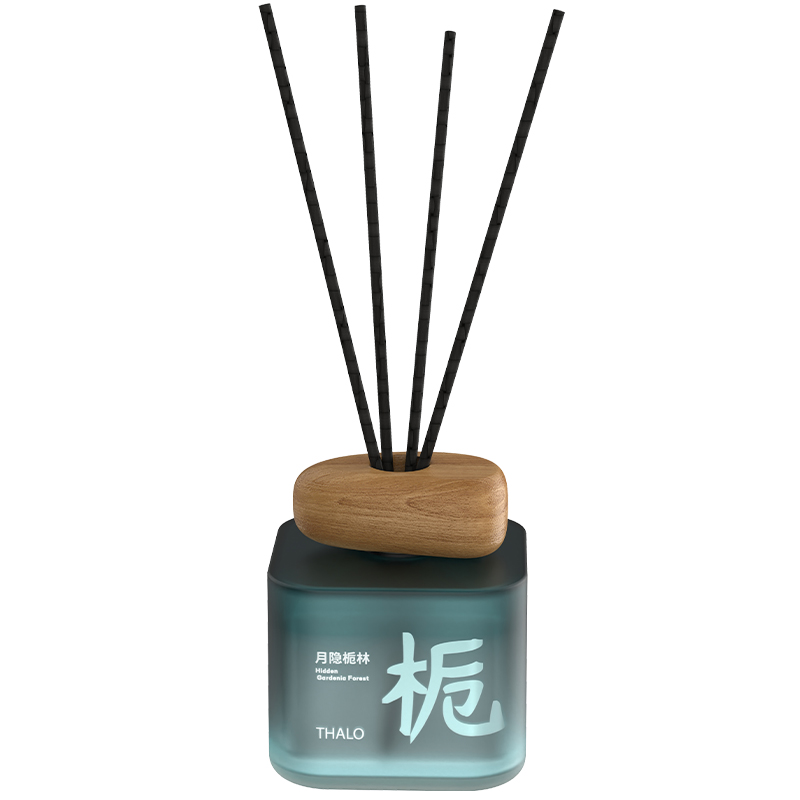
 ZHICHUNLet Nature Fill Your Space With Fragrance,Turn an ordinary room into a peaceful fragrance retreat. Thalo “Spring Awakening” Reed Diffuser brings the beauty of Oriental-inspired scents into everyday life, creating a warm and elegant atmosphere without flame, smoke or electricity.
Inspired by nature, the 180ml Home Fragrance Collection features three distinctive scents: Moonlit Gardenia Forest, Wumu Gradually Becomes Spring, and Green Tea Reflection Spring. Each fragrance unfolds gently through high-density reed sticks, filling your space with a continuous and refined aroma.
The frosted glass bottle, wood-inspired cap and minimalist design add a sophisticated decorative touch to any interior. Perfect for bedrooms, living rooms, bathrooms, offices, boutiques and hotels, this Natural Reed Diffuser creates a relaxing fragrance experience while helping refresh indoor air.
Bring a touch of spring, nature and tranquility into every moment with Thalo. XiaoxiangyuTitle: The Car Air Freshener That Keeps Every Mile Fresh
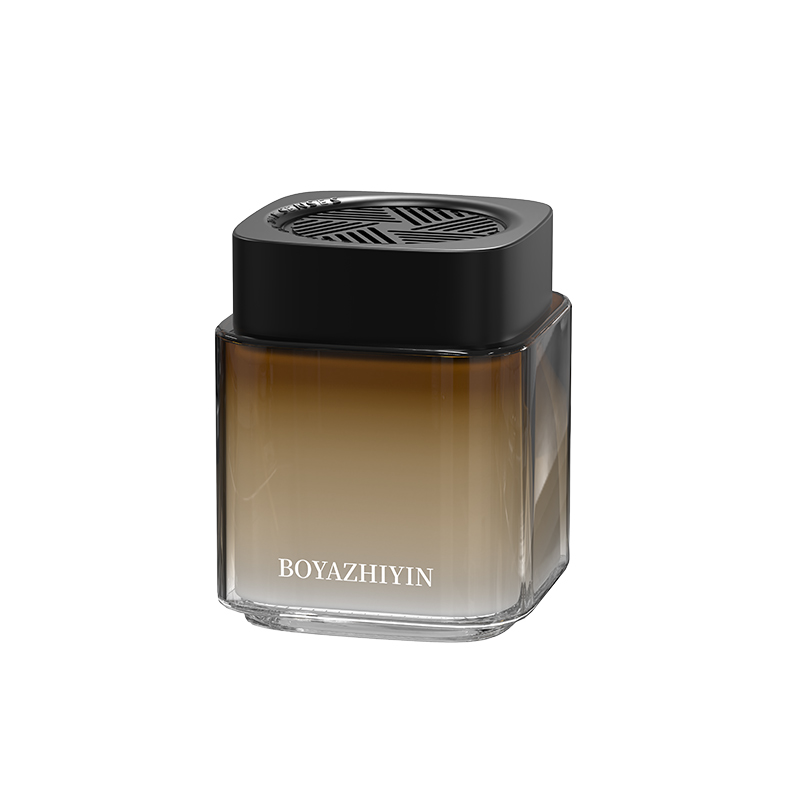
Every drive deserves a fresh, calming atmosphere. The BOYAZHIYIN car air freshener turns your car into a private sanctuary of natural scent. Crafted specifically for small spaces, this long lasting car air freshener delivers pure botanical fragrance without the dizzying intensity of ordinary car perfumes. Our solid gel formula releases scent steadily for weeks, keeping your cabin inviting from the first mile to the last. Each glass jar is built to impress, with a crystal-clear body and a striped diffusion lid that spreads fragrance evenly through every corner. Choose from four refined scents: Oud Rose, Wild Cologne, Dew Gardenia, or High Mountain White Tea. Made with plant essential oils, it is a natural car air freshener you can trust every single day. Breathe easier, drive happier, and enjoy a car that always smells as good as it looks. Ling FengTurn Every Drive Into a Fragrance Ritual
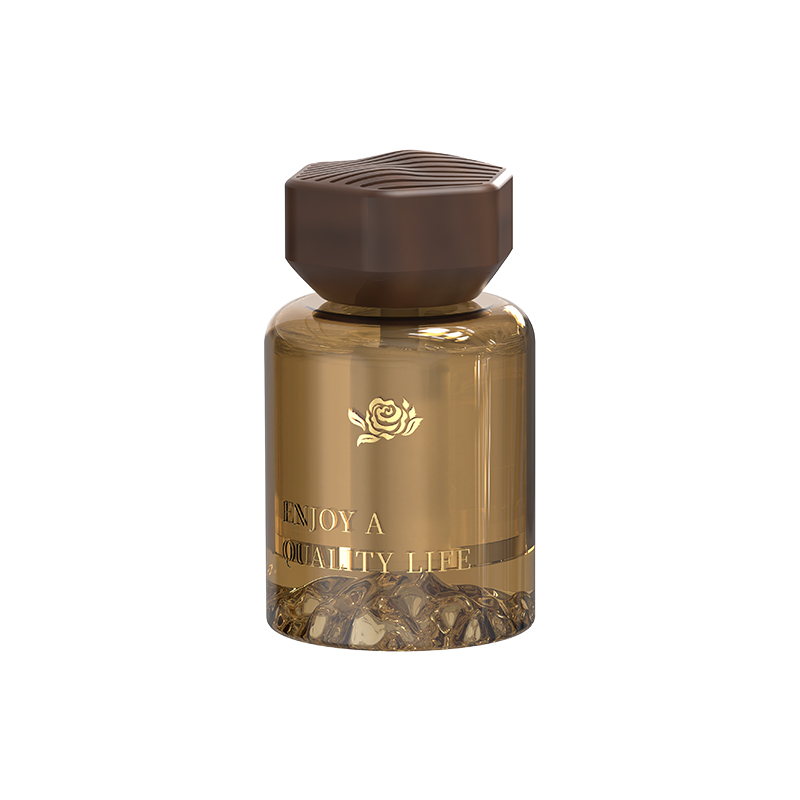
Step into your car and let a refined fragrance transform the atmosphere instantly. Designed for those who appreciate elegance in every detail, this premium car fragrance combines a sophisticated bottle design with high-quality fragrance oils to make every journey more enjoyable.
With 24-hour long-lasting diffusion and a 360° fragrance experience, the scent spreads evenly throughout your car without feeling overpowering. The oil-based formula helps maintain a smooth and consistent aroma, while perfume-grade fragrance creates a more layered and elegant scent experience.
From the fresh and delicate character of Misty Longjing to the deeper, sophisticated notes of Classic Cologne, every fragrance tells its own story. Black KnightA Fragrance That Turns Any Space Into a Memory
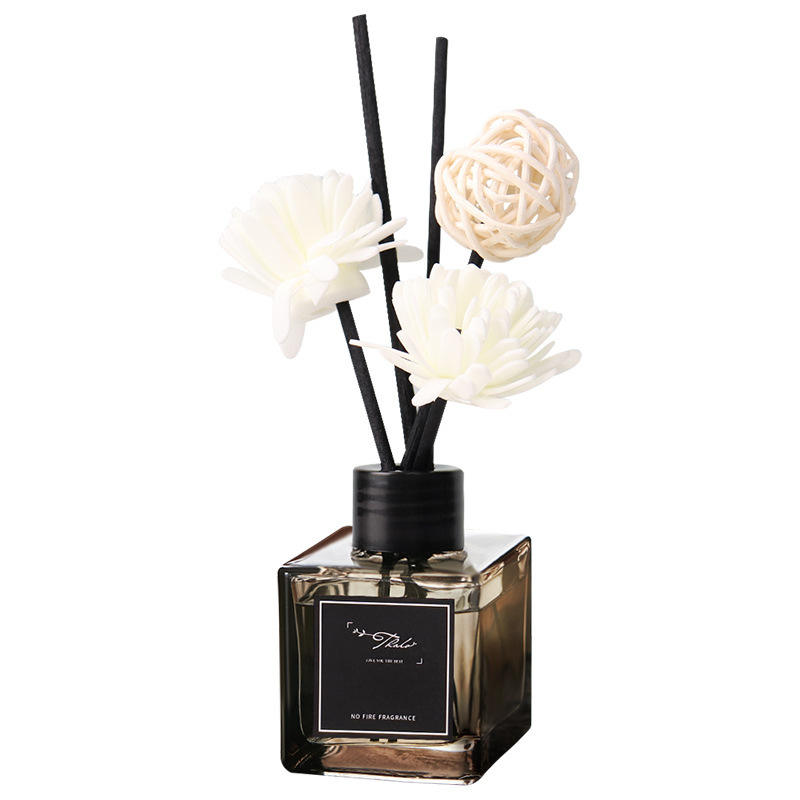
Bring nature indoors with Thalo Botanical Reed Diffuser, a premium home fragrance designed to transform everyday spaces into moments of calm. Crafted with botanical-inspired ingredients and imported fragrance oils, it releases an elegant, long-lasting aroma without flame or smoke.
The 50ml reed diffuser combines a deep brown bottle with high-density fiber reeds and handmade botanical dried flowers, creating both a beautiful decorative piece and an effective air freshener. From peaceful bedrooms to sophisticated living rooms, boutiques, hotels, exhibitions and special events, it adds a refined fragrance wherever you place it.
Choose a scent, place the diffuser, and let the fragrance unfold naturally.
Thalo — bringing the beauty of nature into every memorable moment.
Can't find what you're looking for ?
Leave a Message we will call you back quickly!
Professional Service
Interested? Leave your contact details.
Search Starts Here

