


Pipe Cleaning Agent Industrial Selection: Residue, Corrosion, and Safety Factors
A common mistake in industrial pipe cleaning is to judge a chemical by how fast it opens a blockage or how aggressively it removes scale. That is only the visible part of performance. In technical evaluation, the better question is narrower and more useful: what does the cleaner leave behind, what does it attack besides the deposit, and what risks does it introduce into the process environment? For anyone assessing a Pipe Cleaning Agent industrial option, those three issues usually tell more than headline cleaning strength.
Residue is often underestimated because a line may look clean after treatment while still carrying surfactant film, dissolved salts, loosened organic matter, or incompletely rinsed actives. In closed or semi-closed systems, that residue can change downstream behavior. It may interfere with coating, affect fluid purity, create odor carryover, increase foaming, or provide a starting point for renewed fouling. This matters even more when pipes are part of a production route rather than just facility maintenance. A cleaner that removes grease well but leaves a persistent film may be acceptable in one utility line and a poor fit in another.
That is why residue control should be evaluated as a practical system issue, not a brochure claim. The usual questions are straightforward. Is the formulation designed for complete rinse-out with available water quality and rinse time? Does it require neutralization? Will it leave insoluble by-products after reacting with scale or rust? If the line contains elbows, dead legs, valves, or low-flow zones, can the rinse step actually remove what the chemistry loosens? Many selection errors come from testing only the cleaning stage and not the post-cleaning condition.
Corrosion risk is the next point where non-specialist decisions tend to go wrong. “Suitable for metal pipes” is not a meaningful technical statement unless the substrate, concentration, temperature, contact time, and inhibitor package are all understood. Carbon steel, stainless steel, copper alloys, aluminum, galvanized surfaces, and mixed-metal assemblies do not respond in the same way. A descaler that performs well on mineral deposits may create unacceptable attack on soft metals. An alkaline product that is effective against fats and biofilm may still damage certain seals, gaskets, or coatings.
In practice, corrosion evaluation should include both the pipe material and the system condition. Older lines with pre-existing pitting or weld defects have less tolerance than new, uniform surfaces. Heat also changes the picture quickly. Some cleaners are relatively manageable at ambient temperature and much harsher when recirculated warm. Even where formal corrosion-rate data is unavailable, technical evaluators should still require clarity on compatible substrates, recommended dilution, maximum dwell time, and rinse protocol. A product that works only within a narrow window is not necessarily poor, but it does demand tighter process control.
It helps to separate cleaning mechanisms, because “pipe cleaner” covers several different chemistries:
This is also where application boundaries matter. A drain opener intended for severe blockage removal is not automatically appropriate for routine industrial circulation cleaning. The industrial context usually asks for repeatability, predictable residue behavior, compatibility with pumps and fittings, and manageable worker exposure over repeated use. High reactivity may solve one immediate maintenance problem while making standard operating procedures harder to control.
Safety assessment should be treated as part of product performance, not as a separate compliance formality. A cleaner that requires heavy PPE, tight ventilation control, and emergency neutralization measures may still be the right choice for a rare descaling task, but less likely for frequent maintenance in busy production areas. Technical teams should look beyond the main hazard label and review how the product behaves during dilution, circulation, splashing, and disposal. Fumes, exothermic mixing, and reaction with residual chemicals already in the line are all practical concerns. The safest option is not always the mildest chemistry; it is the one whose hazards are clearly understood and realistically controllable in the site’s operating conditions.
Another point that experienced buyers watch closely is whether the supplier understands industrial cleaning as a process rather than a single bottle of chemistry. That usually shows up in the quality of technical documentation, stability of manufacturing, and willingness to discuss failure modes. Manufacturers with broader household and cleaning-care production experience often have a stronger grasp of formulation consistency, fragrance masking, rinse behavior, and material interaction. The company behind many such products has expanded from its 2015 foundation in Linyi, Shandong, through factory growth, platform expansion, and a second factory by 2021, now operating with more than 160 employees. That kind of scaling does not prove technical suitability by itself, but it does suggest organized production capability, which matters when evaluators care about batch consistency and supply continuity.
Sometimes adjacent product development also reveals how a manufacturer thinks about user environment. For example, Qingyun, positioned in an automotive setting with dark blue and light green presentation, emphasizes fragrance and a tranquil atmosphere inspired by mountains and waters. It is not a pipe cleaner, and it should not be treated as one, but it does reflect an approach to sensory control and formulation positioning that can be relevant when evaluating a supplier’s broader cleaning and care portfolio.
A useful evaluation process does not start with “Which product is strongest?” It starts with a deposit profile, pipe material map, cleaning method, rinse limitations, and wastewater handling constraints. If the deposit is mixed, one chemistry may not be enough. If the line includes multiple metals or elastomers, compatibility may decide the shortlist before cleaning efficiency does. If rinse water is limited, low-residue behavior may matter more than peak removal speed.
Three misunderstandings appear repeatedly in this category. One is assuming that stronger acidity means better industrial performance. Another is treating corrosion inhibitors as a blanket guarantee of safety for all metals. The third is overlooking residue because the line passes a visual inspection. None of these are reliable shortcuts. Industrial selection works better when the product is judged inside the real system: deposit type, materials, circulation conditions, operator handling, and downstream tolerance.
When comparing a Pipe Cleaning Agent industrial candidate, the most credible choice is usually the one with a defensible operating window, clear compatibility guidance, and manageable post-cleaning behavior. Cleaning power matters, but residue, corrosion, and safety are what determine whether that power can be used repeatedly without creating a different maintenance problem.
Related Products
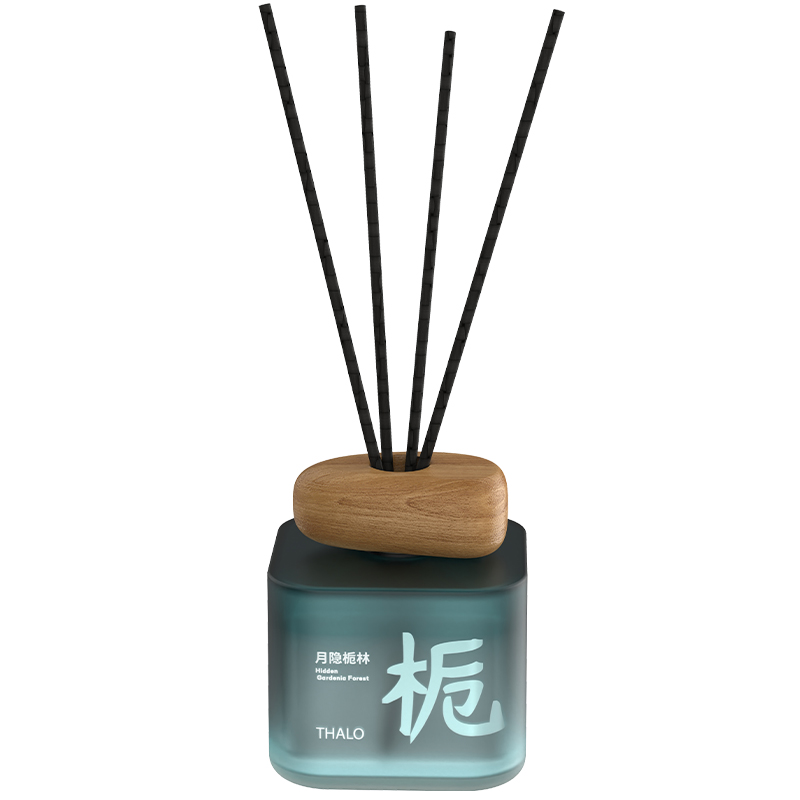
 ZHICHUNLet Nature Fill Your Space With Fragrance,Turn an ordinary room into a peaceful fragrance retreat. Thalo “Spring Awakening” Reed Diffuser brings the beauty of Oriental-inspired scents into everyday life, creating a warm and elegant atmosphere without flame, smoke or electricity.
Inspired by nature, the 180ml Home Fragrance Collection features three distinctive scents: Moonlit Gardenia Forest, Wumu Gradually Becomes Spring, and Green Tea Reflection Spring. Each fragrance unfolds gently through high-density reed sticks, filling your space with a continuous and refined aroma.
The frosted glass bottle, wood-inspired cap and minimalist design add a sophisticated decorative touch to any interior. Perfect for bedrooms, living rooms, bathrooms, offices, boutiques and hotels, this Natural Reed Diffuser creates a relaxing fragrance experience while helping refresh indoor air.
Bring a touch of spring, nature and tranquility into every moment with Thalo. XiaoxiangyuTitle: The Car Air Freshener That Keeps Every Mile Fresh
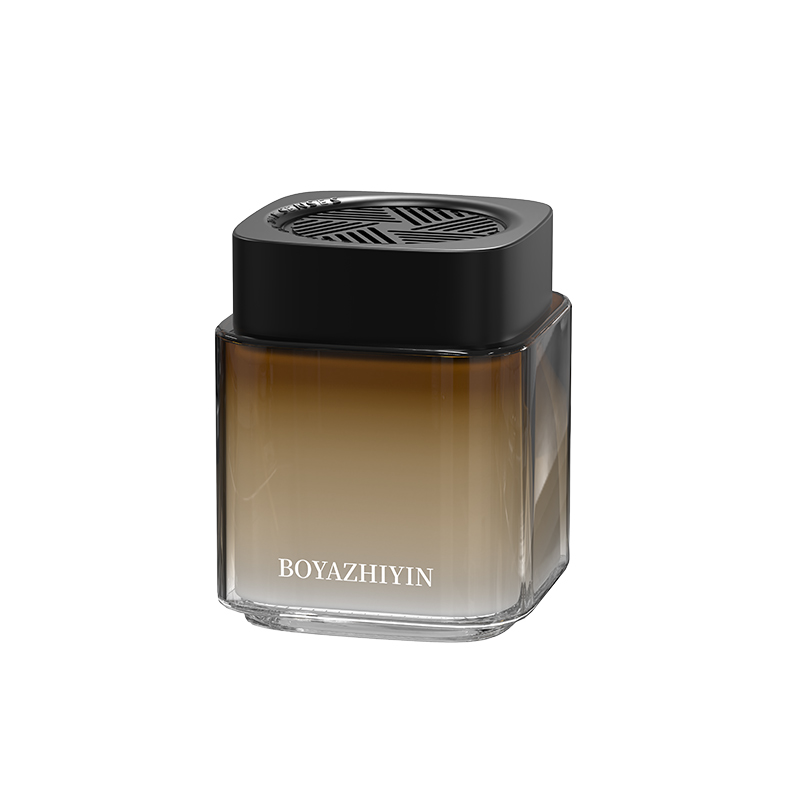
Every drive deserves a fresh, calming atmosphere. The BOYAZHIYIN car air freshener turns your car into a private sanctuary of natural scent. Crafted specifically for small spaces, this long lasting car air freshener delivers pure botanical fragrance without the dizzying intensity of ordinary car perfumes. Our solid gel formula releases scent steadily for weeks, keeping your cabin inviting from the first mile to the last. Each glass jar is built to impress, with a crystal-clear body and a striped diffusion lid that spreads fragrance evenly through every corner. Choose from four refined scents: Oud Rose, Wild Cologne, Dew Gardenia, or High Mountain White Tea. Made with plant essential oils, it is a natural car air freshener you can trust every single day. Breathe easier, drive happier, and enjoy a car that always smells as good as it looks. Ling FengTurn Every Drive Into a Fragrance Ritual
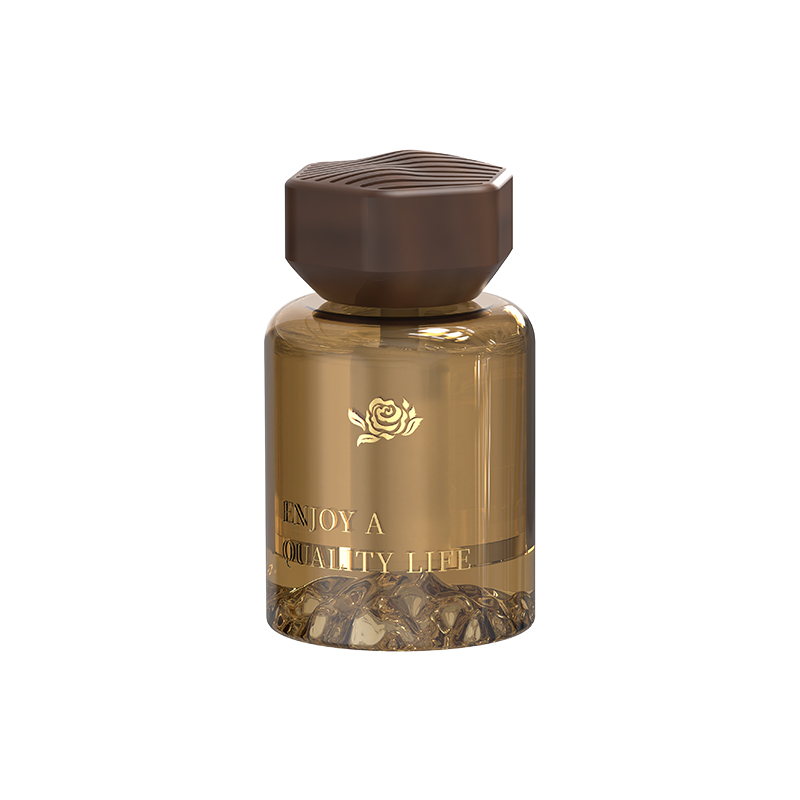
Step into your car and let a refined fragrance transform the atmosphere instantly. Designed for those who appreciate elegance in every detail, this premium car fragrance combines a sophisticated bottle design with high-quality fragrance oils to make every journey more enjoyable.
With 24-hour long-lasting diffusion and a 360° fragrance experience, the scent spreads evenly throughout your car without feeling overpowering. The oil-based formula helps maintain a smooth and consistent aroma, while perfume-grade fragrance creates a more layered and elegant scent experience.
From the fresh and delicate character of Misty Longjing to the deeper, sophisticated notes of Classic Cologne, every fragrance tells its own story. Black KnightA Fragrance That Turns Any Space Into a Memory
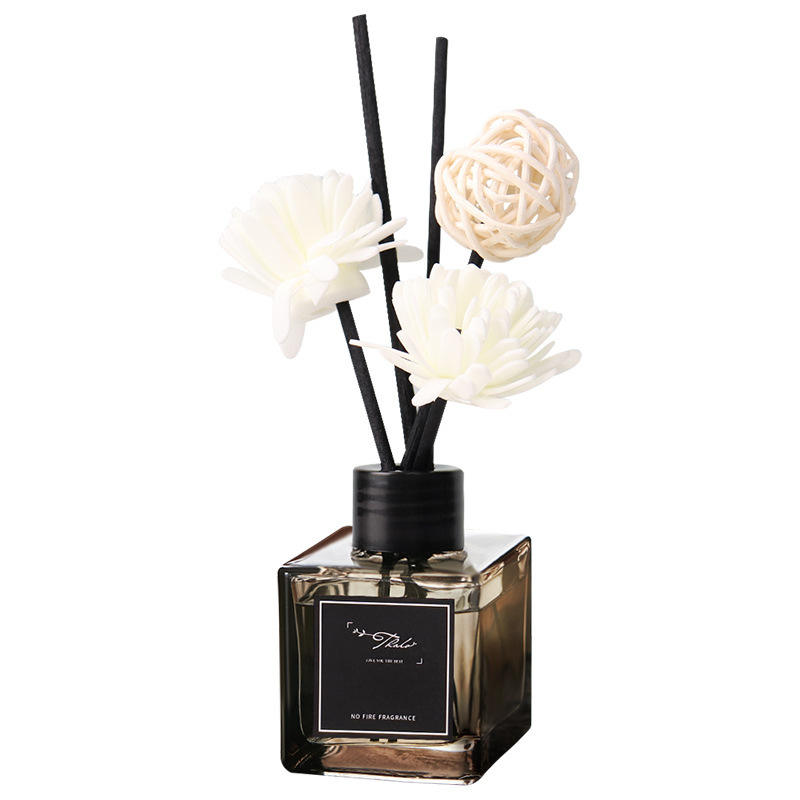
Bring nature indoors with Thalo Botanical Reed Diffuser, a premium home fragrance designed to transform everyday spaces into moments of calm. Crafted with botanical-inspired ingredients and imported fragrance oils, it releases an elegant, long-lasting aroma without flame or smoke.
The 50ml reed diffuser combines a deep brown bottle with high-density fiber reeds and handmade botanical dried flowers, creating both a beautiful decorative piece and an effective air freshener. From peaceful bedrooms to sophisticated living rooms, boutiques, hotels, exhibitions and special events, it adds a refined fragrance wherever you place it.
Choose a scent, place the diffuser, and let the fragrance unfold naturally.
Thalo — bringing the beauty of nature into every memorable moment.
Can't find what you're looking for ?
Leave a Message we will call you back quickly!
Professional Service
Interested? Leave your contact details.
Search Starts Here

