


Aromatherapy candles, reed diffusers, essential oil diffusers and other products have long become "magic tools" for many people to create a cozy home atmosphere. Wisps of fragrance fill the room, as if dispelling fatigue and anxiety, allowing people to immerse themselves in a relaxed mood. But what you may not know is that incorrect scent diffusion methods can turn this beauty into a health hazard, and even make aromatherapy candles an invisible cause of "chronic poisoning". The following 5 common wrong ways of diffusing scents at home are worth vigilance for every fragrance lover.
1. Ignoring Wick Trimming: Hidden Dangers in Black Smoke
Do you remember to trim the wick before lighting an aromatherapy candle? This step, though seemingly trivial, is crucial to the safety of aromatherapy. An untrimmed wick (usually longer than 1cm) can cause the flame to burn too large and unstable when lit, resulting in black smoke. These black smokes contain harmful substances such as carbon particles and polycyclic aromatic hydrocarbons, which not only adhere to walls and furniture to form stains, but also may irritate the respiratory tract and increase the burden on the lungs when inhaled for a long time.
Correct approach: Before lighting the candle each time, use a wick trimmer to cut the wick to 0.5-0.8cm to ensure the flame is stable and free of black smoke. If black smoke appears during burning, extinguish the candle in time, trim the wick after cooling, and then relight it.
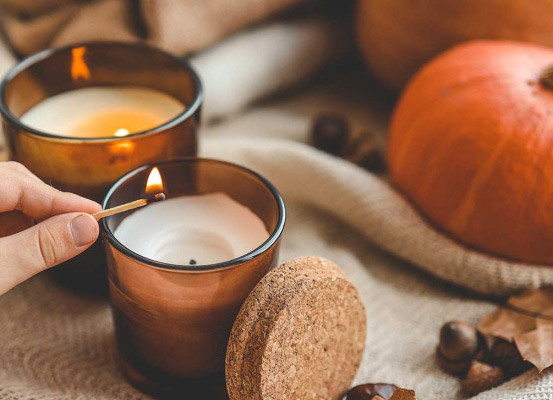
2. Burning for a Long Time in a Confined Space: Fragrance and Risks Increase Together
Many people like to light an aromatherapy candle before going to bed, falling asleep with the fragrance, and even letting the candle burn all night. However, in a confined space, candle burning consumes oxygen and releases carbon dioxide, while volatile organic compounds (VOCs) in the fragrance also continue to accumulate. If the space is poorly ventilated, these substances may cause dizziness and chest tightness, and long-term exposure will affect indoor air quality, which is especially unfriendly to people with sensitive respiratory systems (such as the elderly, children, and asthma patients).
Correct approach: Burn aromatherapy candles for no more than 3 hours at a time, and keep the room properly ventilated (such as opening a window crack). Extinguish the candle 1 hour before going to bed to let the fragrance diffuse naturally, avoiding overnight burning.
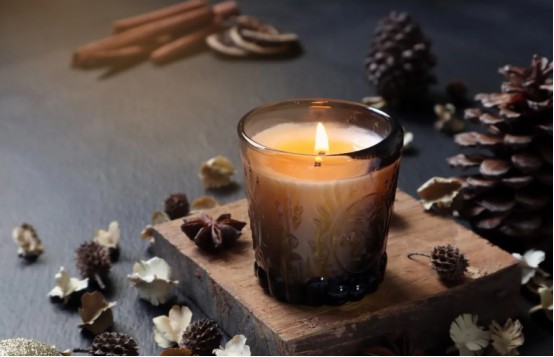
3. Abusing Inferior Containers: Chemical Pollution Sneaks In
In order to save costs or pursue unique shapes, some people pour aromatherapy candles into plastic bowls, low-quality ceramic cups and other containers for use, or choose low-priced aromatherapy products with unknown materials. However, inferior plastic containers may release plasticizers, formaldehyde and other harmful substances at high temperatures, which will form more complex pollutants when mixed with ingredients in the fragrance; the glaze of some unqualified ceramic containers may contain heavy metals such as lead and cadmium, which will enter the human body through air or contact after long-term use.
Correct approach: Choose heat-resistant and safe containers such as glass, ceramics (lead-free glaze), and metal to hold aromatherapy; when purchasing aromatherapy products, choose regular brands, check the ingredient list, and avoid "three-no" products (no manufacturer, no production date, no quality certificate).
4. Excessive Essential Oil Concentration: Pursuing Strong Scents Harms the Body
When diffusing essential oils, some people think that "the higher the concentration, the longer the fragrance lasts", so they pour a large amount of essential oil into the aromatherapy machine. But essential oils are concentrated plant extracts. High-concentration use may irritate the respiratory mucosa, cause coughing and sneezing, and even lead to allergic reactions. For example, excessive use of lavender and tea tree essential oils may affect endocrine, and citrus essential oils (such as lemon and sweet orange) may cause photosensitive reactions at high concentrations.
Correct approach: Control the amount of essential oil according to the instructions of the aromatherapy machine. Generally, 3-5 drops of essential oil are added to 100ml of water. When using a new essential oil for the first time, conduct a small-scale test first to observe whether there are any uncomfortable reactions.
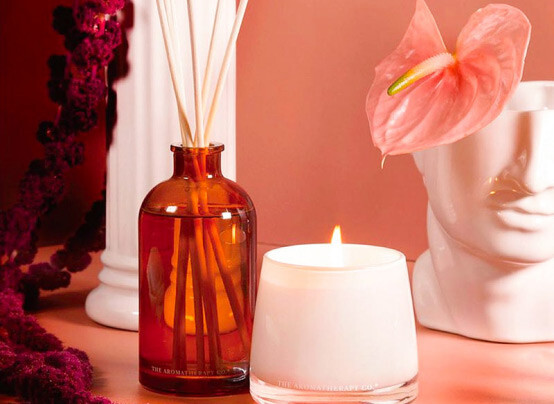
5. Indiscriminate Mixing of Fragrance Notes: Chemical Conflicts Hide Risks
In order to create a unique fragrance, some people randomly mix multiple aromatherapy candles and different types of essential oils. However, chemical components in different fragrances may conflict. For example, some woody and floral essential oils may produce pungent odors when mixed; some synthetic fragrances paired with natural essential oils may also increase the release of VOCs, posing potential threats to health.
Correct approach: Avoid using more than 3 different fragrance notes of aromatherapy products at the same time. If you want to try mixing, first understand the compatibility of fragrances (for example, citrus and herbal notes are usually safe to match), and reduce the amount when mixing for the first time to observe whether there are any discomfort.
The essence of aromatherapy is to add comfort and pleasure to life, not at the cost of health. Only by mastering scientific scent diffusion methods and avoiding the above mistakes can the fragrance truly become a "gentle companion" in home life. Next time before lighting an aromatherapy candle, take a minute to check the wick and open the window for ventilation - careful attention to details can make every wisp of fragrance reassuring.
Can't find what you're looking for ?
Leave a Message we will call you back quickly!
Professional Service
Interested? Leave your contact details.
Search Starts Here

