


Scent Lab
On the global stage of fragrances, consumers from different regions exhibit distinct fragrance preferences due to factors such as culture, climate, and living habits, making the world of fragrances a diverse and fascinating landscape.
The Muslim World: Admirers of Rich Oriental Aromas
The love for fragrances in the Muslim world has a long history, and spices hold a pivotal position in their culture. From ancient legends, we know that Cleopatra, the Egyptian queen, used perfumes and scented oils composed of 16 different spices and plants for bathing and scenting her body, which shows the obsession with fragrances in this land. Spices play a key role in the daily life, religious rituals, and traditional medicine of Muslims.
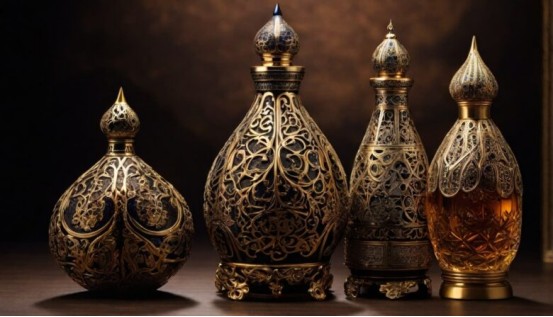
They have a particular preference for fragrances with strong Oriental charm. Agarwood, frankincense, musk, cinnamon, saffron, etc., are common spice ingredients. In countries like Saudi Arabia, agarwood is hailed as the "king of spices" and is almost an indispensable item in every household. Saudi Arabia consumes up to 500 tons of various spices annually, worth hundreds of millions of dollars. Frankincense is not only used to aid digestion, treat heart disease, kidney disease, etc. In the old days, Arab doctors would fumigate their clothes with strong frankincense to disinfect themselves when making house calls. Arabs believe that pregnant women who often chew frankincense can help promote the intellectual development of the fetus. In religious places and families, the mellow aroma of these mixed spices can often be smelled, creating a sacred and peaceful atmosphere. Products made by mixing multiple spices, such as "seven-spice powder" and "nine-spice powder", are very common, reflecting their love for complex fragrances. This complex and rich aroma is in perfect harmony with their passionate and profound cultural heritage.
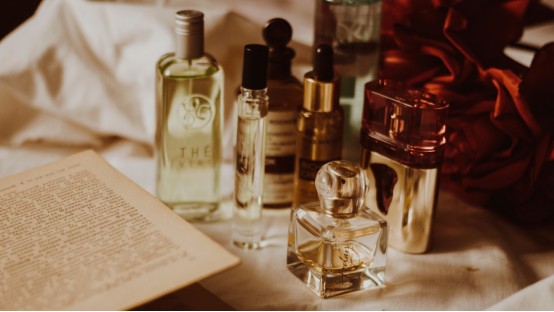
Nordic Regions: Devotees of Fresh Nature and Warm Scents
The Nordic region, with its unique geographical environment and cultural atmosphere, has formed a distinctive fragrance preference. The climate here is relatively cold, and the winter is long. People's pursuit of a warm and comfortable atmosphere is fully reflected in their choice of fragrances.
On the one hand, Nordics are fond of fresh and natural scents, echoing their love and closeness to nature. The smell of pine and fir in the forest, and the fresh water vapor by the lake, have become sources of inspiration for fragrances. Fragrances with these natural elements can make them feel as if they are in the vast Nordic forests and lakes even when they are indoors. For example, some fragrance brands have launched series themed on forests and lakes, which integrate natural scents such as pine needles, moss, and lake water, and are very popular among Nordic consumers.
On the other hand, warm and sweet scents are also highly favored to resist the cold of the long winter. Cinnamon buns are a highly representative traditional dessert in the Nordic countries. This delicacy, originating in Sweden, is mainly made of fermented dough, cinnamon, sugar, and cream, emitting a strong cinnamon aroma. In 1999, Sweden designated October 4th as "Cinnamon Bun Day" every year, and each Swede eats an average of more than 300 cinnamon buns annually. Influenced by this food culture, cinnamon-scented fragrances sell well in the Nordic market. On cold winter days, lighting a cinnamon-scented aromatherapy candle, the warm and sweet smell fills the room, bringing a sense of warmth and comfort, and becomes an excellent companion for Nordics to enjoy their home time.

Eau de Cologne: Classic Heritage and Innovative Interpretation in European and American Markets
Eau de Cologne originated in the early 18th century, created by Italian Johann Maria Farina in Cologne, Germany, and was originally named Eau Admirable. Later, due to the Franco-Prussian War, it was brought back to France by French soldiers who called it Eau de Cologne, hence the name and its popularity. As an alcoholic solution perfume, eau de Cologne is mainly composed of ethanol, distilled water, and essence, with an essence concentration of about 2%-3%. Its aroma is characterized by bergamot oil, sweet orange oil, and rosemary oil, which is fresh and refreshing, suitable for use in all seasons.
In the European and American markets, eau de Cologne has a profound historical heritage and a wide audience base. In the early days, eau de Cologne was regarded as a "men's perfume" with a moderate price. Napoleon's preference for eau de Cologne even influenced the admiration of men for it at that time and later generations. Over time, eau de Cologne is no longer limited by gender, and has continuously innovated and changed in formulas and fragrances, becoming a perfume type suitable for both men and women. The essence content of modern eau de Cologne is generally between 3% and 5%, with a light fragrance, which is more in line with modern people's pursuit of daily fresh scents. Many European and American perfume brands continue to introduce new products based on eau de Cologne, such as launching various new fragrances and limited-edition products to meet the diverse needs of consumers. Some brands also combine the fresh characteristics of eau de Cologne with modern fashion elements, attracting the younger generation of consumers through novel packaging designs and marketing methods, allowing this classic fragrance type to continue to thrive in the European and American markets.
European and American Regions: Fragrance Trends Dominated by Diverse Styles
In addition to eau de Cologne, the overall fragrance preferences in European and American regions show a diversified trend. In the field of perfumes, various styles such as floral, fruity, oriental, and woody notes have a large number of admirers.
Floral perfumes have always been popular among European and American women, and floral elements such as roses, jasmine, and lavender are often used in them. Take roses as an example, the aromas of roses from different origins such as Bulgarian roses and French Grasse roses show different styles in perfumes, either rich and passionate, or fresh and elegant, satisfying women's pursuit of romance and softness. Fruity perfumes, with their lively and fresh characteristics, are loved by young consumers. The aromas of citrus fruits such as lemons, oranges, and grapefruits are often used in the top notes of fragrances, bringing a bright opening; sweet fruity aromas such as strawberries, blueberries, and peaches are also often incorporated into the middle and base notes, adding the sweet charm of the perfume.
Oriental perfumes also occupy a place in the European and American markets, and their unique mysterious and luxurious temperament has attracted many consumers. Such perfumes often contain spices such as vanilla, sandalwood, amber, and musk, creating a warm and mellow atmosphere, suitable for use in formal occasions such as dinners and parties, highlighting the user's personality and taste. Woody perfumes, with the woody aromas of cedar, pine, oak, etc., give people a sense of calmness and grandeur, are widely used in men's perfumes, and are also favored by women who pursue natural and simple styles.
In terms of home fragrances, European and American consumers like to create a comfortable home environment through products such as aromatherapy candles, essential oils, and diffusers. Aromatherapy candles can not only emit a pleasant aroma, but their warm candlelight can also add atmosphere, becoming common decorations and essential items for relaxation in European and American families. For example, the aromatherapy candles of the French fragrance brand Diptyque, such as classic scents like Baies (Berries) and Philosykos (Fig), have achieved great success in sales channels such as department stores in the United States. Some brands also launch indoor fragrances with specific functions, such as helping to relax and sleep, and enhancing vitality, to meet the needs of consumers in different scenarios.

Can't find what you're looking for ?
Leave a Message we will call you back quickly!
Professional Service
Interested? Leave your contact details.
Search Starts Here

