


News
Finding the best car fragrance for natural ingredients sounds simple until the label starts doing more work than the formula. Terms like plant-based, essential oil, and non-toxic often suggest a cleaner choice, yet they can describe very different products. In daily chemical care, where scent, safety, and material compatibility all matter, reading those claims correctly helps turn a vague promise into a practical buying decision.
Why label language matters inside a car
A car cabin is a small, enclosed environment.
Heat, sunlight, fabric surfaces, and limited ventilation can change how a fragrance performs.
That is why the best car fragrance for natural ingredients is not only about smell.
It is also about ingredient transparency, evaporation rate, residue risk, and whether the scent remains comfortable during long drives.
In this category, many products borrow the language of personal care or home care.
Still, automotive use creates stricter expectations because the fragrance sits close to skin, upholstery, and breathing space for extended periods.
What common natural claims usually mean
Some wording is helpful, but much of it is incomplete.
Understanding the difference between a marketing phrase and a meaningful detail makes comparison easier.
Plant-based
Plant-based often means part of the formula comes from botanical sources.
It does not automatically mean the full formula is natural.
Solvents, stabilizers, and fragrance boosters may still be synthetic.
Essential oil
This phrase can refer to a product made with real essential oils.
It can also mean only a small amount is included for scent positioning.
A better clue is whether the label identifies the specific oil or blend.
Non-toxic
Non-toxic sounds reassuring, but it is broad.
Without supporting standards, it says little about concentration, inhalation comfort, or surface safety in high temperatures.
Free from
Claims such as free from parabens or harsh alcohol can be useful.
They are more valuable when paired with a fuller ingredient list and clear usage guidance.
How the daily chemical industry is responding
Natural-positioned fragrance products are now influenced by wider home and fabric care trends.
People increasingly expect softer scent profiles, clearer formulations, and better compatibility with living spaces.
That expectation has shaped factories as well.
One example is the business growth seen in Linyi, Shandong, where operations expanded from an early 400-square-meter base in 2015 to broader industrial capacity, later adding home washing and care production and a second factory.
With more than 160 employees and development across multiple retail channels, the message is clear.
Consumers no longer view fragrance as a simple add-on.
They expect scent products to reflect the same formulation discipline found in modern household care.
What makes a fragrance feel genuinely cleaner
The best car fragrance for natural ingredients usually performs well in four areas.
- The scent is present, but not sharp or overly sweet.
- The formula avoids leaving oily marks on vents, dashboards, or trim.
- The aroma stays stable when cabin temperatures rise.
- The ingredient story is specific enough to evaluate.
Usually, cleaner-feeling products rely on balanced diffusion rather than heavy masking.
That matters when the real issue is trapped odor from food, sports gear, moisture, or pets.
In pet-related cases, odor control works better when fragrance is paired with surface cleaning.
That is where adjacent care products can support the overall cabin environment.
For example, Pet hair foam fits moments when dry cleaning, dirt absorption, coat care, and fragrance retention help reduce the source of the smell before a car scent is added.
Choosing by scenario, not just by scent family
A label may look impressive, yet the product can still be wrong for the actual use case.
The best car fragrance for natural ingredients depends on why the cabin needs freshening.
Short urban drives
Lighter citrus, herb, or linen-like notes often feel cleaner in stop-and-go use.
Heavy gourmand scents can turn tiring in a compact cabin.
Family vehicles
Lower-intensity formats are usually easier to live with.
Look for products that emphasize steady release rather than strong opening impact.
Pet transport or active lifestyles
Here, odor source control matters as much as fragrance quality.
A naturally positioned scent works best after upholstery, mats, and fabric contact points are cleaned properly.
A practical checklist before buying
When comparing options, focus on evidence rather than mood words.
- Check whether ingredients are partially listed or meaningfully described.
- See if the brand explains how the scent is released.
- Review cautions for heat, sunlight, and direct surface contact.
- Prefer fragrance profiles that match cabin size and travel habits.
- Treat vague natural claims as a starting point, not a conclusion.
This approach usually leads to a better car fragrance for natural ingredients than choosing by packaging alone.
Where to go from here
The most reliable choice starts with your real cabin conditions.
Think about heat exposure, passengers, odor sources, and how often the car is used.
Then compare labels with a stricter eye.
The best car fragrance for natural ingredients should read clearly, smell balanced, and fit into a broader care routine rather than cover up problems temporarily.
Once that standard is in place, it becomes much easier to judge which products deserve a place in the car and which ones only sound natural on the box.
Related Products
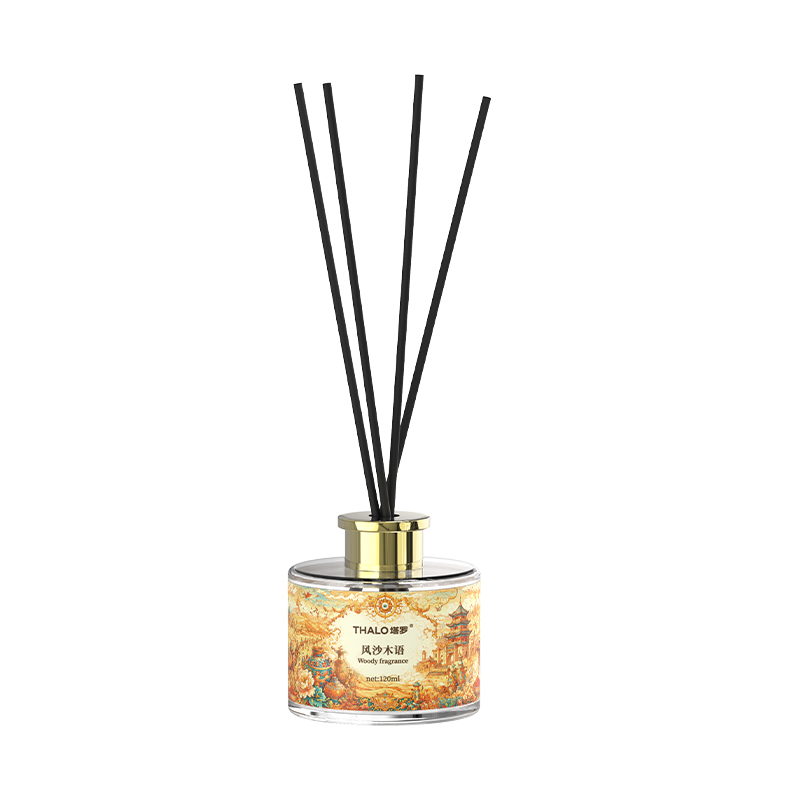
 Silk Road Flower LanguageA Fragrance Journey Along the Silk Road
Step into a world where ancient Silk Road culture meets modern home fragrance. Thalo Silk Road Reed Diffuser transforms your space with an elegant Oriental-inspired aroma, bringing warmth, sophistication and a sense of discovery to everyday moments.
Designed as a flameless home fragrance, it continuously releases fragrance through natural diffuser reeds, creating a calm and inviting atmosphere without fire or electricity. The artistic bottle and premium gift box make it a beautiful addition to bedrooms, entryways, living rooms, boutiques and hotels.
Let every breath become a journey through fragrance. GuoyangYour Car Deserves Better Than That "New Car Smell"
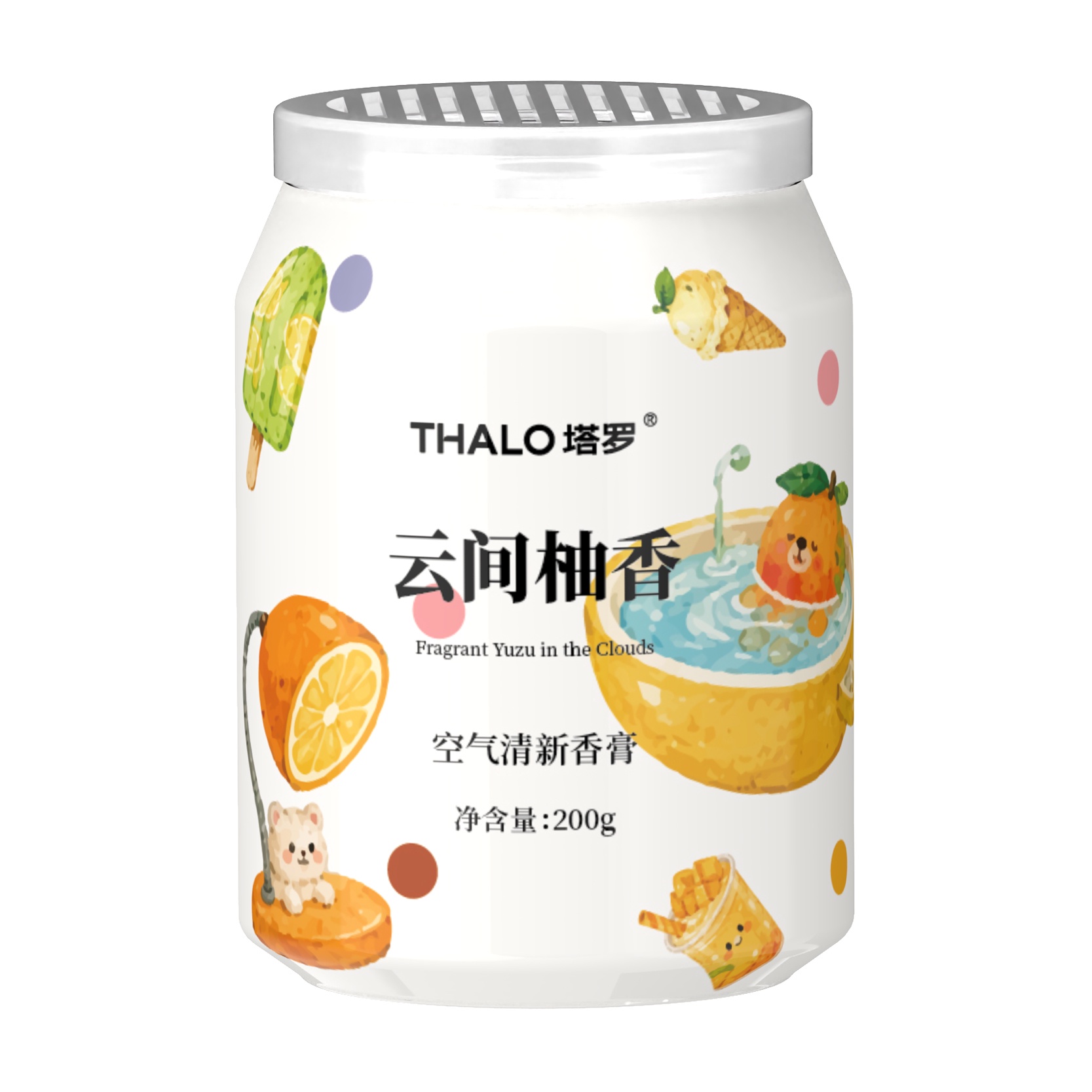
Ever step into your car and wish it smelled like a sunlit orchard instead of stale air.Meet THALO's Fruit Scent Collection — a solid car air freshener that turns every drive into a mini fruit paradise. No sprays, no plugs, no mess. Just unscrew the ventilated lid, and let the 200g fragrance gel slowly release pure, juicy aroma for weeks.
Pick your mood: White Peach in the Snow (soft, creamy, dreamy), Fragrant Yuzu in the Clouds (bright citrus that wakes you up), or Laurel Apple (warm apple-cinnamon comfort). Each jar is hand-illustrated with adorable fruit art that looks as good as it smells — a dopamine hit for your cup holder.
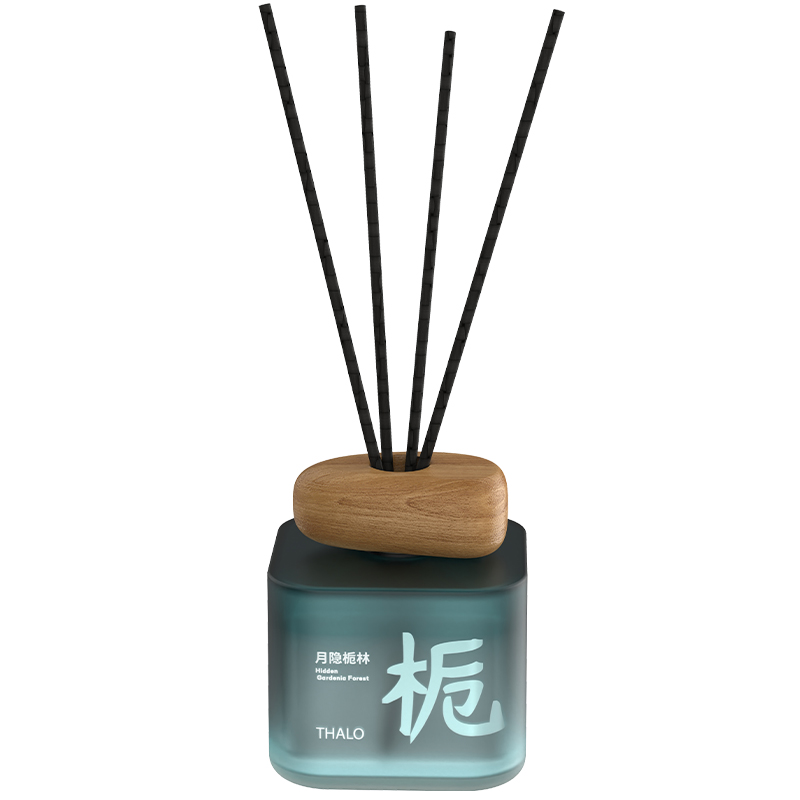
Safe for daily commutes, family trips, and long drives. Plant-based formula, IFRA-certified, crafted with Firmenich perfumers. Fresh air, one twist away. ZHICHUNLet Nature Fill Your Space With Fragrance,Turn an ordinary room into a peaceful fragrance retreat. Thalo “Spring Awakening” Reed Diffuser brings the beauty of Oriental-inspired scents into everyday life, creating a warm and elegant atmosphere without flame, smoke or electricity.
Inspired by nature, the 180ml Home Fragrance Collection features three distinctive scents: Moonlit Gardenia Forest, Wumu Gradually Becomes Spring, and Green Tea Reflection Spring. Each fragrance unfolds gently through high-density reed sticks, filling your space with a continuous and refined aroma.
The frosted glass bottle, wood-inspired cap and minimalist design add a sophisticated decorative touch to any interior. Perfect for bedrooms, living rooms, bathrooms, offices, boutiques and hotels, this Natural Reed Diffuser creates a relaxing fragrance experience while helping refresh indoor air.
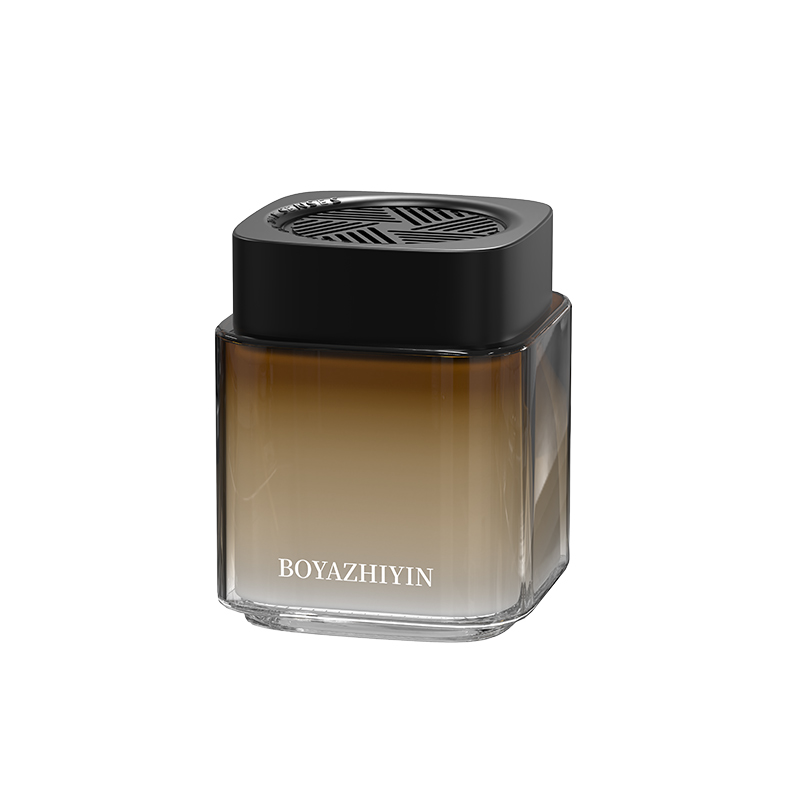
Bring a touch of spring, nature and tranquility into every moment with Thalo. XiaoxiangyuTitle: The Car Air Freshener That Keeps Every Mile Fresh
Every drive deserves a fresh, calming atmosphere. The BOYAZHIYIN car air freshener turns your car into a private sanctuary of natural scent. Crafted specifically for small spaces, this long lasting car air freshener delivers pure botanical fragrance without the dizzying intensity of ordinary car perfumes. Our solid gel formula releases scent steadily for weeks, keeping your cabin inviting from the first mile to the last. Each glass jar is built to impress, with a crystal-clear body and a striped diffusion lid that spreads fragrance evenly through every corner. Choose from four refined scents: Oud Rose, Wild Cologne, Dew Gardenia, or High Mountain White Tea. Made with plant essential oils, it is a natural car air freshener you can trust every single day. Breathe easier, drive happier, and enjoy a car that always smells as good as it looks.
Can't find what you're looking for ?
Leave a Message we will call you back quickly!
Professional Service
Interested? Leave your contact details.
Search Starts Here

