


News
Best Car Fragrance for Office Commutes: Clean Scent or Low Diffusion?
Choosing the best car fragrance for office commutes is not just about smelling good. It is about building a space that feels fresh at 8 a.m., still tolerable in traffic at 6 p.m., and never awkward when a colleague or client gets in. The real decision usually comes down to two things: do you want a clean scent profile, or do you need low diffusion so the fragrance stays subtle? For most daily commuters, the answer is not extreme in either direction. You want a scent that reads “clean car” rather than “air freshener.”
If you are comparing options for the best car fragrance for office use, here is the checklist that matters in real life.
Start with the commute itself
A 12-minute drive is different from a 70-minute stop-and-go commute. People often buy based on how a fragrance smells in the first five seconds, then regret it after a week.
- Short commute: a light clean scent can work well because you get a quick fresh impression without sitting in it too long.
- Long commute: low diffusion usually wins. Strong projection becomes tiring, especially in a closed cabin with heat or direct sun.
- Shared parking or ride-sharing: keep it restrained. What feels “luxury” to you may read as overpowering to someone else.
If your car is basically a second desk, subtlety matters more than novelty.
Clean scent does not mean loud scent
This is where many buyers get misled. “Clean” should mean a scent impression that feels airy, dry, soft, or freshly washed. It should not mean a sharp chemical blast or an aggressively soapy profile that fills the cabin in seconds.
For office commutes, the safest scent families are usually:
- Light citrus with a dry finish
- Soft green or herbal notes
- Mild cotton, linen, or clean wood styles
What usually causes trouble: heavy vanilla, syrupy fruit, very sweet floral blends, or anything marketed mainly for “strong lasting power” without saying how it diffuses. Those may suit a larger room, but a car interior is a small enclosed space.
Low diffusion is often the smarter office choice
If you leave early, drive in a suit or work clothes, take calls in the car, or sometimes carry coworkers, low diffusion is usually the safer bet. It keeps the cabin from feeling perfumed. You notice it when you enter, then it settles into the background.
That matters because olfactory fatigue is real. A fragrance that feels pleasant on day one can become irritating when repeated twice a day, five days a week. The best car fragrance for office commuting is rarely the one with the strongest throw. It is the one you barely think about after ten minutes.
Check whether it removes odor or just covers it
This is one of the biggest buying mistakes. If the product only masks food, smoke, gym bag, or damp upholstery odors, the result can be worse than the original smell. You end up with a mixed scent cloud that feels stale.
Look for wording that suggests deodorizing action rather than simple perfume coverage, but stay realistic. Marketing language can be broad, and unless test documentation is provided, performance claims should be treated carefully. A product like Jianchuan, for example, positions itself around plant deodorizing factors that break down odors at the source instead of just layering fragrance on top. That is the right direction conceptually for commuters who deal with enclosed-space odor buildup.
Still, no car fragrance fixes a dirty cabin. If there is old food under the seat or moisture in the mats, handle that first.
Pay attention to diffusion method, not just scent name
The same fragrance profile can feel very different depending on how it is released. Vent clips, hanging cards, gel cans, fragrant cotton, and liquid diffusers do not behave the same in a hot parked car.
That last point matters more than most buyers think. High-density fragrance carriers paired with non-alcoholic formulas often aim for steadier release, which can be a better fit for office commuters than a sudden, high-impact burst.
Heat changes everything
A scent you like in cool weather may become too heavy in summer. Cars amplify fragrance because cabin temperature rises fast when parked. If you live somewhere hot or leave your vehicle outside all day, choose one degree lighter than what you think you want.
This is also where low diffusion has an advantage. It gives you more margin for seasonal changes. In practice, many people who ask for the best car fragrance for office routines are really asking for “something I will not get tired of by August.”
Do a simple tolerance check before committing
If you are sensitive to fragrance, prone to headaches, or often commute before breakfast, test more cautiously. There is no universal “safe strength” standard for personal comfort, so your own response matters more than branding.
- Try partial exposure first if the product allows it.
- Check how it feels after 20 to 30 minutes, not just the first sniff.
- Notice whether it clashes with your personal perfume, hair products, or takeout coffee.
That last clash is common and rarely discussed. A car scent may be fine alone but messy once it mixes with everything else in a weekday routine.
A quick note on premium positioning
Some automotive fragrance products now borrow ideas from home care and personal scent design: place-inspired themes, softer diffusion materials, and formulas that try to feel more atmospheric than artificial. Jianchuan is one example of that direction, with four fragrance styles tied to different locations and a “mountain and forest” type of scent story. Whether that specific style suits you depends on taste, but the broader lesson is useful: for office commuting, choose atmosphere over intensity.
What I would choose
If the goal is a professional daily commute, I would usually pick a clean scent with controlled, low-to-moderate diffusion. Not the strongest fresh scent on the shelf. Not the sweetest “luxury” profile either. Something that gives a clean first impression, manages odor reasonably well, and fades into the background once the drive starts.
Use this rule when deciding: if you want your car to feel freshly kept, go clean. If you worry about sensitivity, long drive time, or passengers, prioritize low diffusion. When both are available in one product, that is usually the better buy for office commuting.
Related Products
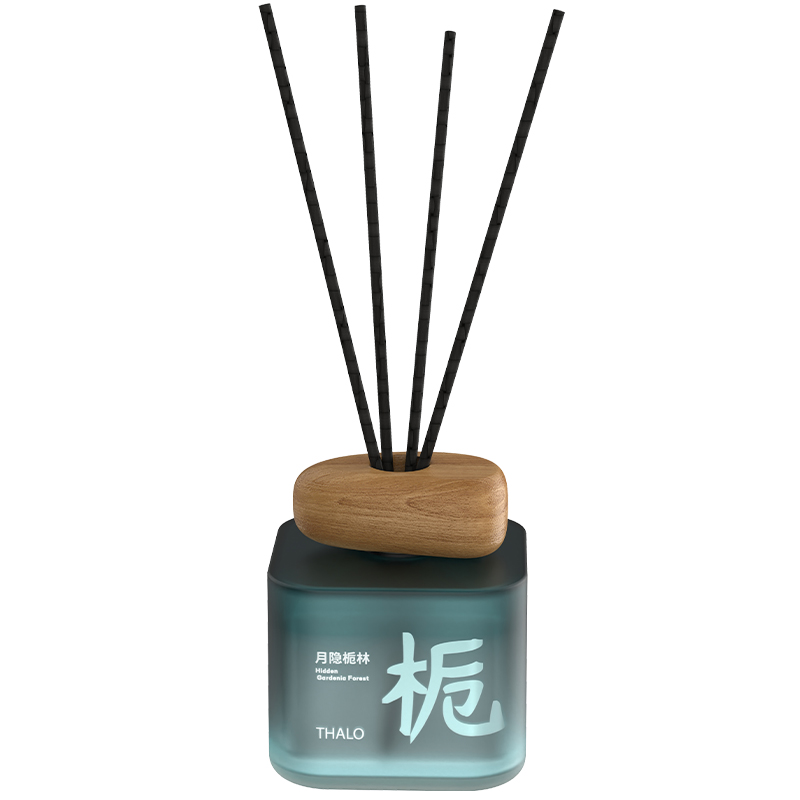
 ZHICHUNLet Nature Fill Your Space With Fragrance,Turn an ordinary room into a peaceful fragrance retreat. Thalo “Spring Awakening” Reed Diffuser brings the beauty of Oriental-inspired scents into everyday life, creating a warm and elegant atmosphere without flame, smoke or electricity.
Inspired by nature, the 180ml Home Fragrance Collection features three distinctive scents: Moonlit Gardenia Forest, Wumu Gradually Becomes Spring, and Green Tea Reflection Spring. Each fragrance unfolds gently through high-density reed sticks, filling your space with a continuous and refined aroma.
The frosted glass bottle, wood-inspired cap and minimalist design add a sophisticated decorative touch to any interior. Perfect for bedrooms, living rooms, bathrooms, offices, boutiques and hotels, this Natural Reed Diffuser creates a relaxing fragrance experience while helping refresh indoor air.
Bring a touch of spring, nature and tranquility into every moment with Thalo. XiaoxiangyuTitle: The Car Air Freshener That Keeps Every Mile Fresh
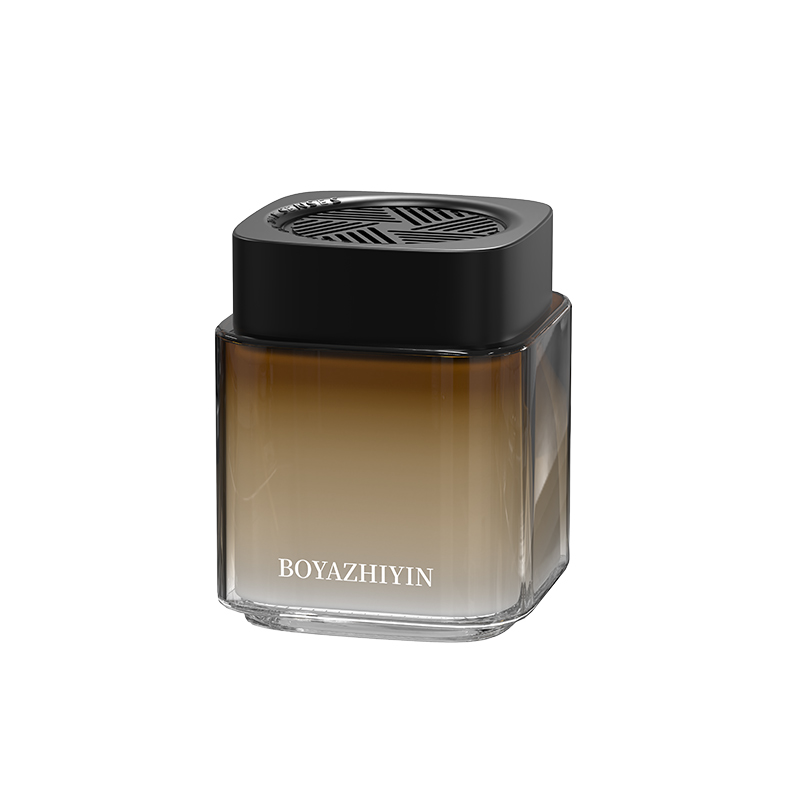
Every drive deserves a fresh, calming atmosphere. The BOYAZHIYIN car air freshener turns your car into a private sanctuary of natural scent. Crafted specifically for small spaces, this long lasting car air freshener delivers pure botanical fragrance without the dizzying intensity of ordinary car perfumes. Our solid gel formula releases scent steadily for weeks, keeping your cabin inviting from the first mile to the last. Each glass jar is built to impress, with a crystal-clear body and a striped diffusion lid that spreads fragrance evenly through every corner. Choose from four refined scents: Oud Rose, Wild Cologne, Dew Gardenia, or High Mountain White Tea. Made with plant essential oils, it is a natural car air freshener you can trust every single day. Breathe easier, drive happier, and enjoy a car that always smells as good as it looks. Ling FengTurn Every Drive Into a Fragrance Ritual
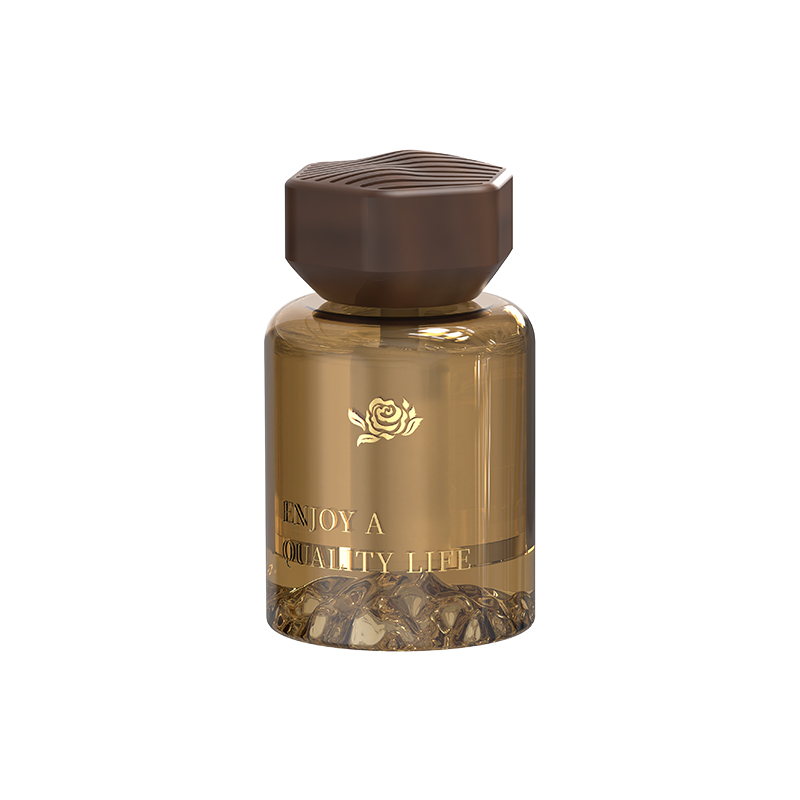
Step into your car and let a refined fragrance transform the atmosphere instantly. Designed for those who appreciate elegance in every detail, this premium car fragrance combines a sophisticated bottle design with high-quality fragrance oils to make every journey more enjoyable.
With 24-hour long-lasting diffusion and a 360° fragrance experience, the scent spreads evenly throughout your car without feeling overpowering. The oil-based formula helps maintain a smooth and consistent aroma, while perfume-grade fragrance creates a more layered and elegant scent experience.
From the fresh and delicate character of Misty Longjing to the deeper, sophisticated notes of Classic Cologne, every fragrance tells its own story. Black KnightA Fragrance That Turns Any Space Into a Memory
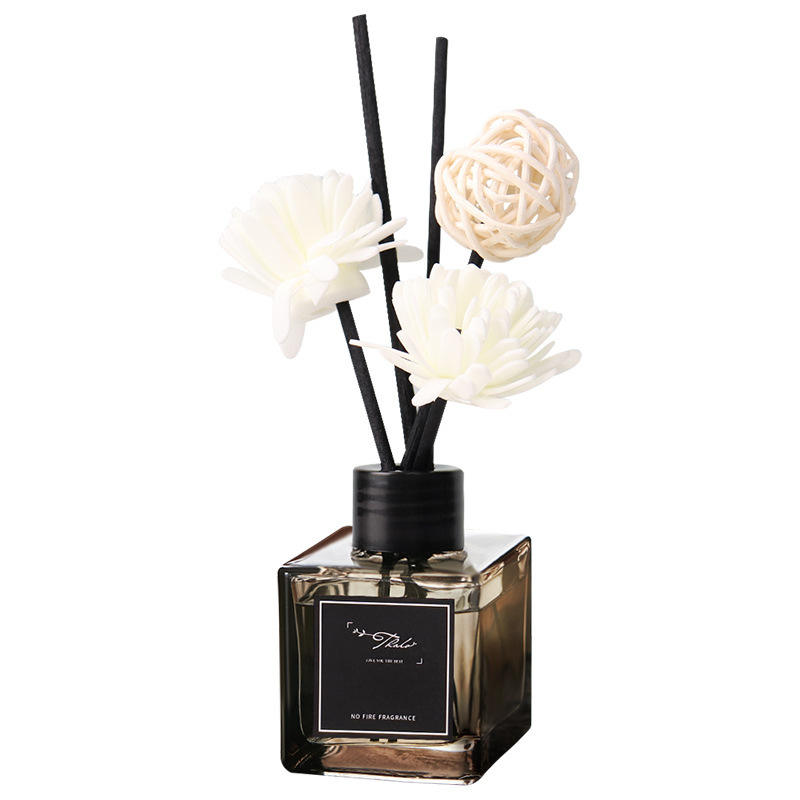
Bring nature indoors with Thalo Botanical Reed Diffuser, a premium home fragrance designed to transform everyday spaces into moments of calm. Crafted with botanical-inspired ingredients and imported fragrance oils, it releases an elegant, long-lasting aroma without flame or smoke.
The 50ml reed diffuser combines a deep brown bottle with high-density fiber reeds and handmade botanical dried flowers, creating both a beautiful decorative piece and an effective air freshener. From peaceful bedrooms to sophisticated living rooms, boutiques, hotels, exhibitions and special events, it adds a refined fragrance wherever you place it.
Choose a scent, place the diffuser, and let the fragrance unfold naturally.
Thalo — bringing the beauty of nature into every memorable moment.
Can't find what you're looking for ?
Leave a Message we will call you back quickly!
Professional Service
Interested? Leave your contact details.
Search Starts Here

