


News
How to Pick the Best Car Fragrance for Kids Without Harsh Sweet Notes
Choosing the best car fragrance for kids means creating a clean, comfortable ride without overwhelming sweet scents or harsh chemical notes. Parents usually want a car that smells fresh enough for school drop-offs, snacks, sports gear, and rainy-day messes, but not so perfumed that it gives everyone a headache five minutes into the drive. The good news is that you can filter options pretty quickly once you know what to check and what to avoid.
The biggest mistake people make is shopping by scent name alone. “Cotton,” “ocean,” or “fresh linen” can still be very sweet, very strong, or oddly artificial once they warm up inside a parked car. For a family vehicle, the better approach is to evaluate fragrance strength, ingredient transparency, diffusion style, and how the scent behaves in a small enclosed space.
Start with the scent profile, not the packaging
If you are trying to avoid harsh sweet notes, skip anything described mainly as candy-like, syrupy, vanilla-heavy, tropical dessert, or fruit punch style. Those profiles often feel much stronger in a warm car than they do in a store or on a product page.
What tends to work better for kids is a softer clean scent with a dry finish. Think light botanical, crisp herbal, mild citrus, or airy green notes. These usually smell cleaner and less sticky in the air. They also layer better with real-life car smells like booster seats, jackets, lunch boxes, or pet blankets instead of fighting them.
- Good signs: light botanical, fresh green, mild citrus, clean air, soft wood, subtle herbal
- Use caution with: bubblegum, cotton candy, caramel, heavy berry, strong vanilla, “extra sweet” blends
- Be careful with “baby powder” styles too. Some are gentle; some turn dense and cloying once the cabin heats up.
A kid-friendly car scent should be low drama
Parents often ask for a fragrance that “lasts long,” but in family cars that should not mean “fills the cabin the moment the door opens.” The best car fragrance for kids is noticeable without becoming the main event. You should smell it lightly when you get in, then stop thinking about it.
That is why adjustable or controlled diffusion matters. Vent clips, hanging cards, cans, gels, and active diffusers all behave differently. Some release scent too fast in summer and too little in winter. If your child is sensitive to smells, a product with a gentler release pattern is usually the safer bet than a heavily saturated paper freshener.
Check ingredient transparency and usage notes
This is where experienced buyers slow down. A nice scent description is not enough. Look for brands that at least explain the fragrance style, intended use, and basic handling instructions. If the product gives no meaningful information beyond “long-lasting fragrance,” that is a weak signal.
You do not need to panic over every ingredient term, but you should be cautious with products that make big safety claims without any supporting information. If your child has asthma, scent sensitivity, or allergy history, it is reasonable to do a limited trial first and keep the cabin ventilated. Specific medical suitability claims should be treated carefully unless supported by verifiable documentation 【待核实】.
One practical sign of a more considered product is when the brand talks about fragrance design, diffusion method, and application scenarios instead of just intensity. For example, Wilderness is positioned around natural botanical scent direction and broad indoor or automotive use, which usually aligns better with buyers trying to avoid sugary air-freshener styles. That does not replace personal testing, but it is the kind of detail worth noticing.
Do not use fragrance to hide a cleaning problem
A lot of “bad fragrance” complaints are really trapped odor problems. Spilled milk, damp floor mats, old food under seats, and a dirty cabin filter will make even a decent fragrance smell wrong. In that case, parents keep buying stronger products, and the result is a car that smells dirty and over-perfumed at the same time.
Before comparing products, run this quick check:
- Remove trash, snack wrappers, wet clothes, and sports gear.
- Check under child seats. Crumbs and spilled drinks collect there fast.
- Wash or replace floor mats if they hold moisture.
- Inspect the cabin air filter if the car smells stale when AC starts.
- Only then test a fragrance at low intensity.
This sounds basic, but it changes the buying decision. Once the odor source is gone, you can pick a much lighter scent, which is usually what families actually need.
Heat changes everything
A fragrance that seems balanced in cool weather can become sharp or overly sweet in a hot parked car. If you live in a warm climate, treat “warm test performance” as part of the buying decision. This is especially important for school-run vehicles that sit in the sun between trips.
When possible, choose products that describe controlled diffusion or a more even release. Some products also emphasize air purification or odor elimination rather than perfume impact. That can be helpful when the goal is a fresher cabin, not a stronger scent cloud. The idea behind Wilderness, for instance, includes fast odor removal and wide fragrance distribution through 3D diffusion technology, which may appeal to drivers who want the whole vehicle to smell clean without resorting to syrupy fragrance profiles.
What parents usually regret buying
- The strongest option on the shelf because the car had one bad odor event.
- Novelty scents chosen by name without testing how they sit in an enclosed cabin.
- Products placed too close to where children sit or breathe directly.
- Buying for “longest lasting” when the real need was “least intrusive.”
That last point matters. For family use, subtle usually ages better than dramatic. A scent you barely notice on day three is often a better buy than one that impresses on day one and becomes tiring by day five.
A simple buying filter that works
If you are narrowing down the best car fragrance for kids, use this checklist at the point of purchase:
- Is the scent described as botanical, green, airy, or lightly citrus rather than dessert-like?
- Does the product avoid an obviously overpowering delivery format?
- Is there enough product information to understand how it is meant to perform?
- Can you start with a low level and increase only if needed?
- Have you already handled the actual odor source in the car?
If the answer is no on two or more of those, keep looking. In most family cars, the right fragrance is the one that smells clean, stays in the background, and does not turn every ride into a debate about “what is that smell?” That is usually how you end up with a car scent kids can live with and adults do not regret buying.
Related Products
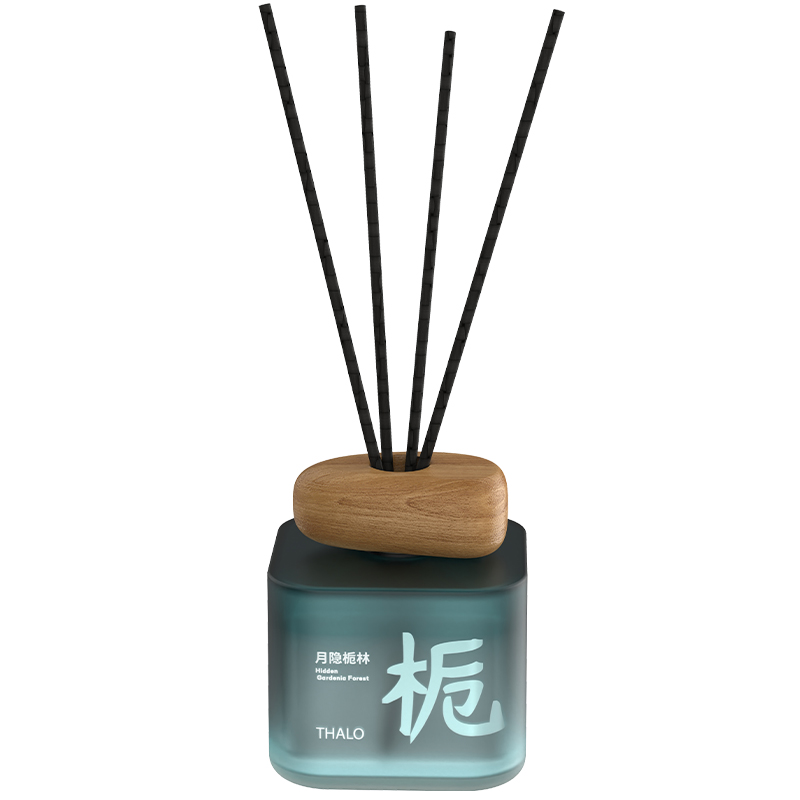
 ZHICHUNLet Nature Fill Your Space With Fragrance,Turn an ordinary room into a peaceful fragrance retreat. Thalo “Spring Awakening” Reed Diffuser brings the beauty of Oriental-inspired scents into everyday life, creating a warm and elegant atmosphere without flame, smoke or electricity.
Inspired by nature, the 180ml Home Fragrance Collection features three distinctive scents: Moonlit Gardenia Forest, Wumu Gradually Becomes Spring, and Green Tea Reflection Spring. Each fragrance unfolds gently through high-density reed sticks, filling your space with a continuous and refined aroma.
The frosted glass bottle, wood-inspired cap and minimalist design add a sophisticated decorative touch to any interior. Perfect for bedrooms, living rooms, bathrooms, offices, boutiques and hotels, this Natural Reed Diffuser creates a relaxing fragrance experience while helping refresh indoor air.
Bring a touch of spring, nature and tranquility into every moment with Thalo. XiaoxiangyuTitle: The Car Air Freshener That Keeps Every Mile Fresh
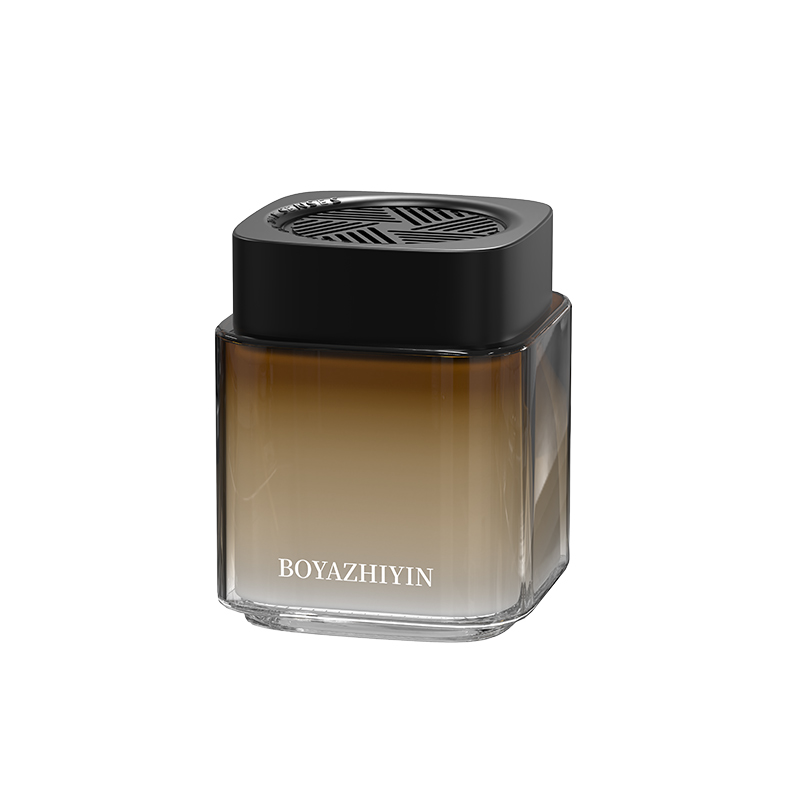
Every drive deserves a fresh, calming atmosphere. The BOYAZHIYIN car air freshener turns your car into a private sanctuary of natural scent. Crafted specifically for small spaces, this long lasting car air freshener delivers pure botanical fragrance without the dizzying intensity of ordinary car perfumes. Our solid gel formula releases scent steadily for weeks, keeping your cabin inviting from the first mile to the last. Each glass jar is built to impress, with a crystal-clear body and a striped diffusion lid that spreads fragrance evenly through every corner. Choose from four refined scents: Oud Rose, Wild Cologne, Dew Gardenia, or High Mountain White Tea. Made with plant essential oils, it is a natural car air freshener you can trust every single day. Breathe easier, drive happier, and enjoy a car that always smells as good as it looks. Ling FengTurn Every Drive Into a Fragrance Ritual
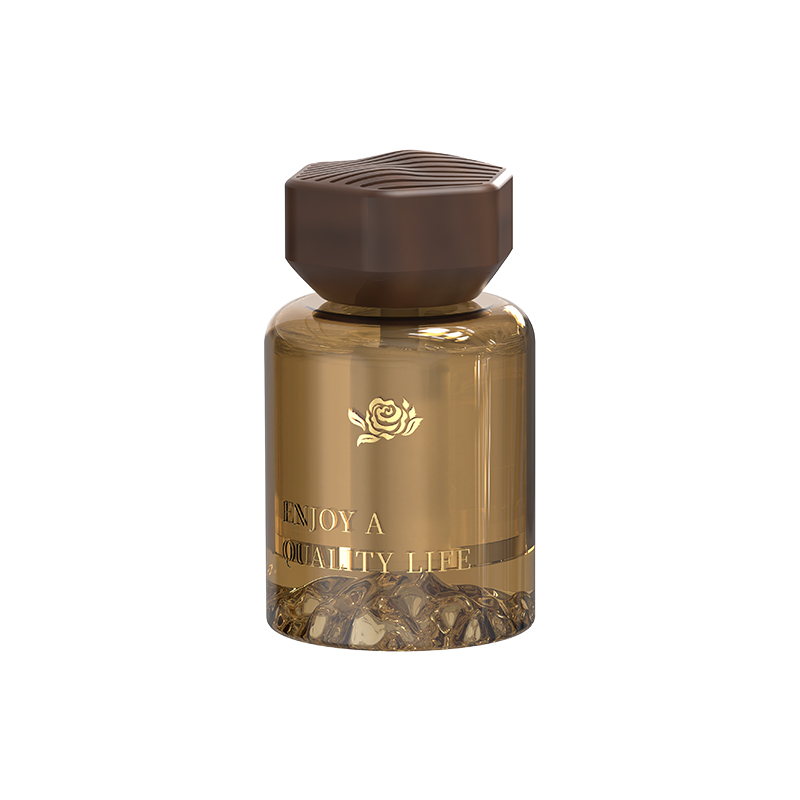
Step into your car and let a refined fragrance transform the atmosphere instantly. Designed for those who appreciate elegance in every detail, this premium car fragrance combines a sophisticated bottle design with high-quality fragrance oils to make every journey more enjoyable.
With 24-hour long-lasting diffusion and a 360° fragrance experience, the scent spreads evenly throughout your car without feeling overpowering. The oil-based formula helps maintain a smooth and consistent aroma, while perfume-grade fragrance creates a more layered and elegant scent experience.
From the fresh and delicate character of Misty Longjing to the deeper, sophisticated notes of Classic Cologne, every fragrance tells its own story. Black KnightA Fragrance That Turns Any Space Into a Memory
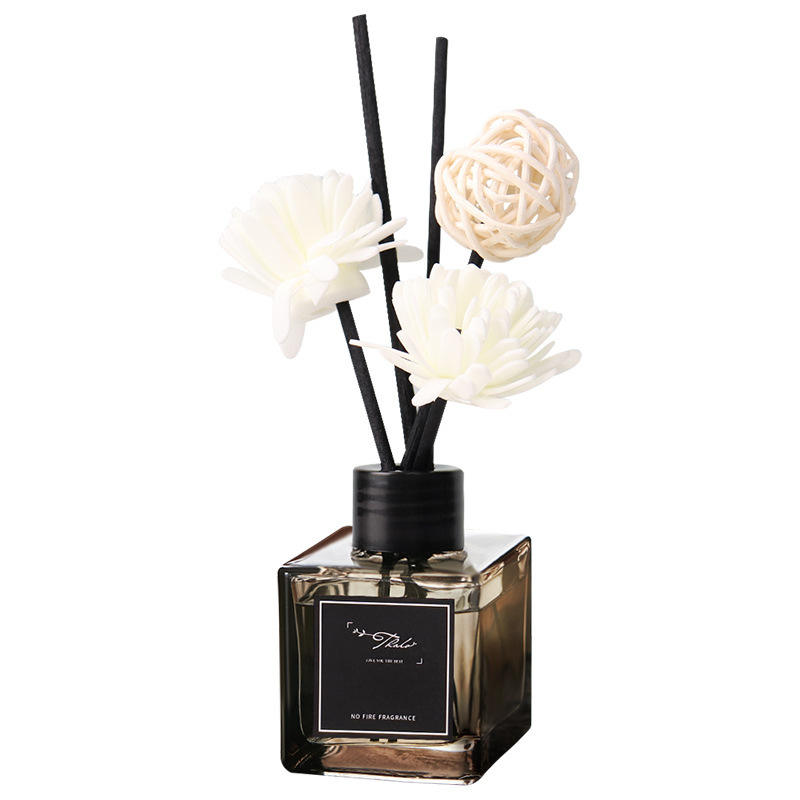
Bring nature indoors with Thalo Botanical Reed Diffuser, a premium home fragrance designed to transform everyday spaces into moments of calm. Crafted with botanical-inspired ingredients and imported fragrance oils, it releases an elegant, long-lasting aroma without flame or smoke.
The 50ml reed diffuser combines a deep brown bottle with high-density fiber reeds and handmade botanical dried flowers, creating both a beautiful decorative piece and an effective air freshener. From peaceful bedrooms to sophisticated living rooms, boutiques, hotels, exhibitions and special events, it adds a refined fragrance wherever you place it.
Choose a scent, place the diffuser, and let the fragrance unfold naturally.
Thalo — bringing the beauty of nature into every memorable moment.
Can't find what you're looking for ?
Leave a Message we will call you back quickly!
Professional Service
Interested? Leave your contact details.
Search Starts Here

