


News
Best Car Fragrance for Smokers: Which Notes Reduce Smoke Odor Best
Finding the best car fragrance for smokers is not just about covering up odor. Smoke gets into fabric, headliners, floor mats, and even the air vents, so a scent that smells nice on day one can turn unpleasant fast if it only sits on top of the problem. The better approach is to choose fragrance notes that feel clean, dry, and stable in a small enclosed space, especially if the car is used every day. Crisp citrus, herbal blends, light woods, and fresh aromatic notes usually do more useful work than heavy sweet perfumes. The goal is simple: make the cabin smell clean, not crowded.
If you are trying to pick the best car fragrance for smokers, use this checklist the way people in product selection and daily use actually do: test for how the scent behaves after heat, after smoke exposure, and after a few hours with the windows closed. That tells you far more than the first sniff.
Start with notes that cut through stale smoke
Some notes naturally feel cleaner against tobacco residue. They do not chemically erase smoke on their own, but they make the odor profile less dirty and less sticky.
- Citrus notes such as lemon, bergamot, and grapefruit usually work well because they smell sharp and lift the air quickly. They are especially useful in commuter cars where smoke smell builds up in short repeated trips.
- Herbal notes like eucalyptus, mint, rosemary, and tea-style accords often feel cleaner than fruity blends. In a smoker's car, that matters. Sweet fruit can mix with stale smoke and create a syrupy smell.
- Light woody notes, including cedar or dry sandalwood-style blends, can help anchor the scent without making the cabin feel heavy. Dry woods tend to pair better with tobacco residue than creamy or sugary notes.
- Aquatic and linen-fresh profiles can work, but only if they stay crisp. Some “fresh” fragrances turn powdery in warm interiors, and that can make smoke feel more trapped rather than less noticeable.
What usually disappoints people? Dense vanilla, candy fruit, thick floral, and overly musky blends. They may smell pleasant in a showroom test, but in a real smoker's vehicle they often mix with tar-like residue and feel even more stale by the afternoon.
Check the cabin conditions before blaming the fragrance
A lot of people keep switching products when the bigger issue is trapped residue. If the ashtray area, seat fabric, or AC vents still hold strong smoke odor, no fragrance will perform well for long.
- Smell the car before adding any freshener, ideally in the morning when the cabin has been closed overnight.
- Check soft surfaces: seat seams, mats, trunk liner, and headliner. These are common odor-holding zones.
- Run the air conditioner for a few minutes. If the smoke smell comes back stronger through the vents, the fragrance choice alone will not solve it.
- Wipe hard surfaces before testing a new scent. Smoke film on dashboards and trim changes how the cabin smells.
This matters because the best car fragrance for smokers usually works as part of a routine: clean first, then scent. Without that order, even a good formula gets judged unfairly.
Choose the format based on how often the car is used
The note profile matters, but format changes the result too. A clip-on vent freshener behaves differently from a hanging card or a gel canister.
For smokers, medium and steady release is usually easier to live with than a fragrance blast. Too much intensity can create that familiar “smoke plus perfume” problem within a day or two.
Use this quick smell test before you buy again
A practical check: if a fragrance smells good only when held close to the nose, it may not perform well in a car. Cabin air is warm, dry at times, humid at others, and loaded with leftover odor molecules. Better performers usually have one clear opening note, a clean middle, and no sticky after-smell.
- The first impression should feel fresh, not sugary.
- After a few minutes, the scent should settle instead of getting louder.
- If you already imagine it becoming cloying in summer heat, skip it.
- If possible, test after smoking exposure rather than in a clean retail setting.
That last point gets missed a lot. A fragrance can be pleasant in isolation and still be the wrong answer for an actual smoker's car.
Look for “purifying” positioning, but read it carefully
Some automotive fragrances are marketed around purification, freshness, or air-clean feeling. That can be useful language, but do not assume it means verified odor neutralization unless the brand provides clear technical support. If such claims depend on test reports, ingredient systems, or certification, those details should be checked directly. If they are not available, treat the wording as sensory positioning rather than proof.
One product example in this space is Heart-Touching, designed for automotive use around the idea of combining multiple fragrance profiles with a purifying experience. That kind of concept can appeal to drivers who do not want a blunt single-note freshener and prefer something that feels more rounded during longer trips. The useful question is still the same: does it stay clean in a smoker's cabin after repeated use?
A few mistakes that make good scents fail
Using too many products at once is one of them. A vent clip, a hanging tag, and a dashboard gel together rarely make the car smell cleaner. They just fight for space.
Another common miss is choosing fragrance by personal taste alone. Someone may love warm vanilla at home, but that does not mean it is the best car fragrance for smokers. Cars are smaller, hotter, and much less forgiving than a room.
Then there is replacement timing. If the product has faded but the smoke residue has not, drivers often nose-blind themselves and stop noticing how stale the cabin has become. New passengers notice immediately. If people often ride with you, ask for honest feedback once in a while. It is more reliable than judging your own car every day.
What usually works best in real life
For most smokers, the safest direction is a clean citrus-herbal profile with a dry woody base. It gives immediate freshness, does not lean too sweet, and tends to stay more balanced when the interior warms up. If you want something softer, a tea-like or airy aromatic blend can work well too, provided it does not turn powdery.
If you prefer a more mood-driven drive experience, a layered automotive fragrance such as Heart-Touching may fit better than a basic one-note deodorizer, especially if you want the cabin to feel less functional and more refined. Just keep expectations practical: even the better fragrance profile works best when paired with regular ash disposal, surface wiping, and ventilation.
So when people ask which notes reduce smoke odor best, the answer is usually not “the strongest scent.” It is the cleanest-smelling one that stays believable after a closed-car test: citrus for lift, herbs for freshness, and dry woods for control. That combination tends to do the job without making the car smell like it is hiding something.
Related Products
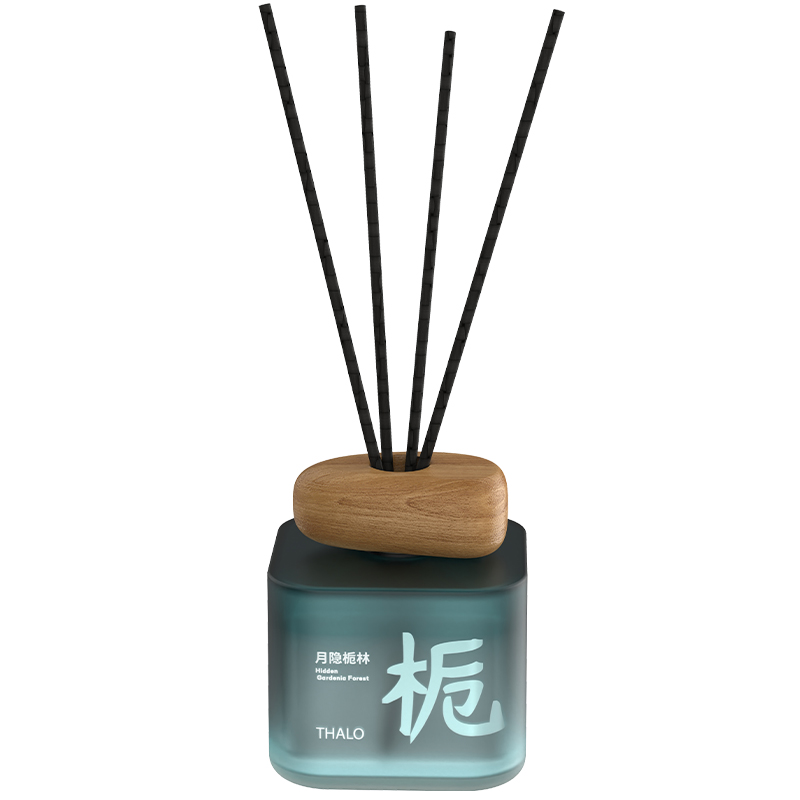
 ZHICHUNLet Nature Fill Your Space With Fragrance,Turn an ordinary room into a peaceful fragrance retreat. Thalo “Spring Awakening” Reed Diffuser brings the beauty of Oriental-inspired scents into everyday life, creating a warm and elegant atmosphere without flame, smoke or electricity.
Inspired by nature, the 180ml Home Fragrance Collection features three distinctive scents: Moonlit Gardenia Forest, Wumu Gradually Becomes Spring, and Green Tea Reflection Spring. Each fragrance unfolds gently through high-density reed sticks, filling your space with a continuous and refined aroma.
The frosted glass bottle, wood-inspired cap and minimalist design add a sophisticated decorative touch to any interior. Perfect for bedrooms, living rooms, bathrooms, offices, boutiques and hotels, this Natural Reed Diffuser creates a relaxing fragrance experience while helping refresh indoor air.
Bring a touch of spring, nature and tranquility into every moment with Thalo. XiaoxiangyuTitle: The Car Air Freshener That Keeps Every Mile Fresh
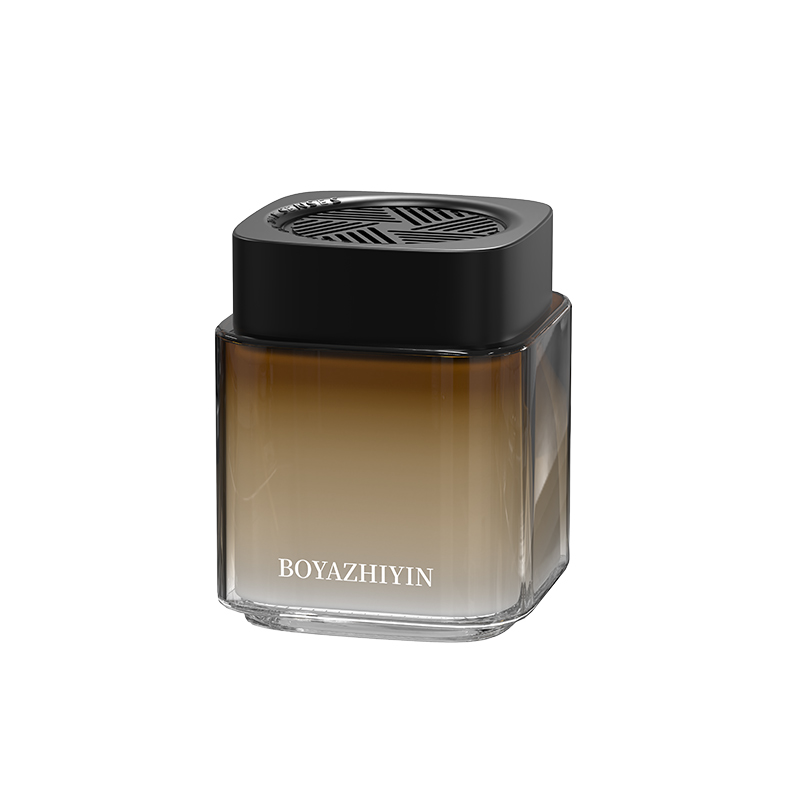
Every drive deserves a fresh, calming atmosphere. The BOYAZHIYIN car air freshener turns your car into a private sanctuary of natural scent. Crafted specifically for small spaces, this long lasting car air freshener delivers pure botanical fragrance without the dizzying intensity of ordinary car perfumes. Our solid gel formula releases scent steadily for weeks, keeping your cabin inviting from the first mile to the last. Each glass jar is built to impress, with a crystal-clear body and a striped diffusion lid that spreads fragrance evenly through every corner. Choose from four refined scents: Oud Rose, Wild Cologne, Dew Gardenia, or High Mountain White Tea. Made with plant essential oils, it is a natural car air freshener you can trust every single day. Breathe easier, drive happier, and enjoy a car that always smells as good as it looks. Ling FengTurn Every Drive Into a Fragrance Ritual
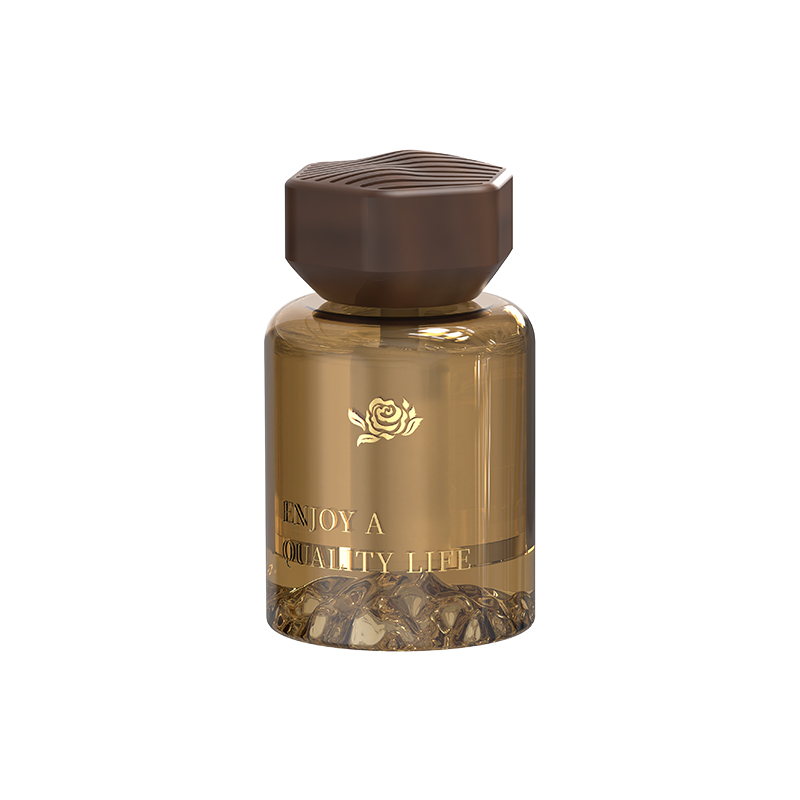
Step into your car and let a refined fragrance transform the atmosphere instantly. Designed for those who appreciate elegance in every detail, this premium car fragrance combines a sophisticated bottle design with high-quality fragrance oils to make every journey more enjoyable.
With 24-hour long-lasting diffusion and a 360° fragrance experience, the scent spreads evenly throughout your car without feeling overpowering. The oil-based formula helps maintain a smooth and consistent aroma, while perfume-grade fragrance creates a more layered and elegant scent experience.
From the fresh and delicate character of Misty Longjing to the deeper, sophisticated notes of Classic Cologne, every fragrance tells its own story. Black KnightA Fragrance That Turns Any Space Into a Memory
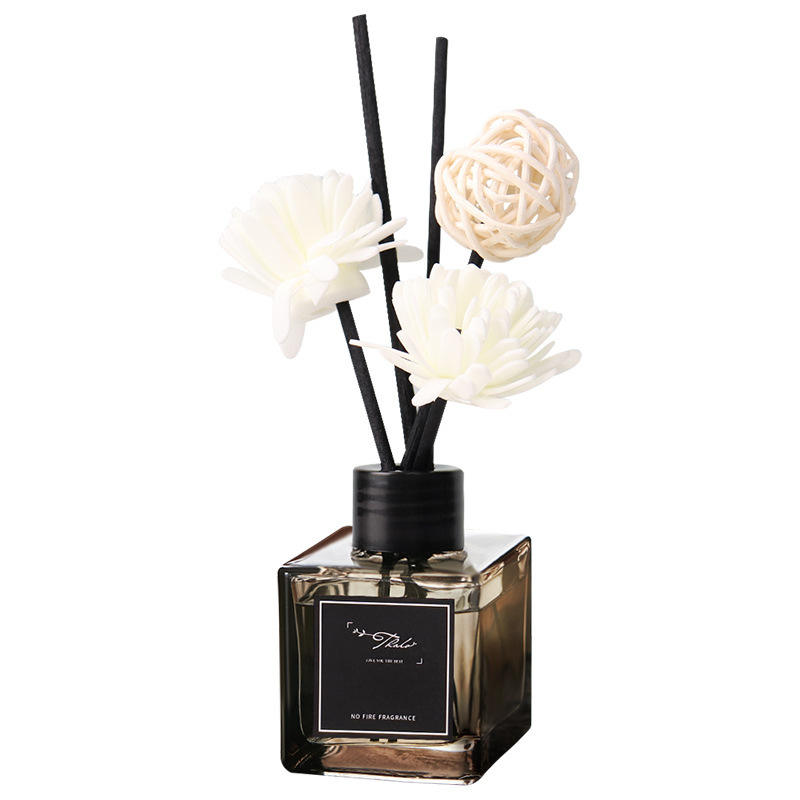
Bring nature indoors with Thalo Botanical Reed Diffuser, a premium home fragrance designed to transform everyday spaces into moments of calm. Crafted with botanical-inspired ingredients and imported fragrance oils, it releases an elegant, long-lasting aroma without flame or smoke.
The 50ml reed diffuser combines a deep brown bottle with high-density fiber reeds and handmade botanical dried flowers, creating both a beautiful decorative piece and an effective air freshener. From peaceful bedrooms to sophisticated living rooms, boutiques, hotels, exhibitions and special events, it adds a refined fragrance wherever you place it.
Choose a scent, place the diffuser, and let the fragrance unfold naturally.
Thalo — bringing the beauty of nature into every memorable moment.
Can't find what you're looking for ?
Leave a Message we will call you back quickly!
Professional Service
Interested? Leave your contact details.
Search Starts Here

