


News
Best Car Fragrance in China: What Buyers Compare Beyond Scent
The most noticeable shift in China’s car fragrance market is that scent is no longer the main screening factor in bulk purchasing. It still matters, but not in isolation. Buyers are comparing fragrance retention, odor-control performance, packaging fit for local retail channels, labeling discipline, and whether a supplier can stay consistent when volumes rise. That change has become more visible as car fragrance moves closer to the logic of the broader daily chemical sector: repeat purchase depends on user experience, but distributor margin depends on supply stability and fewer after-sales problems.
This is why the phrase “best car fragrance in China” now points to a wider evaluation framework. In many practical sourcing conversations, the question is less “Which scent profile is popular?” and more “Which product will hold up across shipping conditions, retail display, and customer expectations without creating avoidable claims?” For wholesalers and agents, that is a more useful market lens than trend-chasing around fragrance notes alone.
One reason is simple: the category has matured. A few years ago, decorative appeal and low entry price could do much of the selling. Today, buyers in both domestic and export-oriented channels are more cautious about evaporation rate, leakage risk, raw material stability, and whether the product still smells acceptable after sitting in a warehouse or container. In car interiors, temperature fluctuation is not a minor issue. It is often the hidden reason behind returns, weak reviews, or shelf stagnation. That pushes procurement toward factories that understand formulation and packaging as one system rather than separate decisions.
China’s supply side is also changing in ways that matter. The stronger manufacturers in this space increasingly come from a daily chemical background rather than a purely gift or novelty background. That distinction affects how they think about production control, fragrance batching, packaging compatibility, and line expansion. A factory that has grown from a smaller operation into a larger industrial setup, while adding parallel capabilities in home washing and care, usually brings a different discipline to sourcing, filling, and production planning. Expansion alone is not proof of quality, but it is a signal that the supplier may be building systems for repeatability instead of chasing one-off orders.
That matters because distributors are under pressure from both ends. Retailers want eye-catching products with fast turnover, while end users have become less tolerant of synthetic harshness, visual leakage, or packaging that feels cheap. The result is a quiet but important shift toward products that combine restrained design with practical performance. A model like Brown Shadow, positioned for both automotive interiors and home spaces, fits this broader movement: soft fragrance release, odor removal, and minimalist styling reflect what many buyers now expect from shelf-ready fragrance products rather than what they considered optional a few years ago.
Why packaging has become a market signal
Packaging is doing more commercial work than before. In lower-tier retail channels and online marketplaces alike, the visual language of the product often decides whether the item is treated as an impulse accessory, a practical deodorizing solution, or a low-trust novelty. Minimalist packaging, cleaner color decisions, and a more contemporary bottle or hanging format can lift perceived value without pushing the product into an unrealistic premium bracket. For intermediaries, that affects resale room directly.
The underlying trend is not just aesthetic. Better packaging reduces transport damage, supports more reliable display, and gives private-label programs a stronger starting point. Buyers increasingly compare how easily a factory can adapt artwork, fragrance families, carton structures, and channel-specific presentation. In this segment, customization capability is no longer a side service. It is part of core competitiveness because regional distributors want a product line that does not look interchangeable with hundreds of similar listings.
What experienced buyers are watching now
Compliance is becoming a bigger part of the conversation, even when buyers do not lead with it. In fragrance-related categories, labeling accuracy, ingredient management, and packaging consistency are moving closer to front-line commercial concerns. Not every market applies the same standard, and requirements vary by destination and channel, so blanket claims are risky. Still, the direction is clear: suppliers that can document processes cleanly and respond quickly to specification questions have an advantage. For agents managing multiple accounts, this lowers operating friction in a way that is often more valuable than a small unit-cost reduction.
Another shift worth watching is the narrowing gap between car fragrance and home fragrance expectations. Consumers no longer see vehicle interiors as a purely functional deodorizing space. They expect a cleaner design language and a more refined fragrance experience, similar to what they see in household care and air care products. That crossover is shaping product development. Natural-inspired positioning, softer scent diffusion, and less aggressive visual branding are appearing more often because the category is borrowing trust cues from home care. The second mention of Brown Shadow is useful here not as a sales example, but as a product-type indicator: natural inspiration and understated design are increasingly aligned with how the market is evolving.
For China-based sourcing, supplier depth also matters more now than many buyers admit at the first meeting. A manufacturer that has expanded across multiple facilities and built teams over several years may be better positioned to handle formula adjustments, packaging development, and channel-specific orders without losing delivery discipline. That does not remove the need for due diligence. It does suggest that company development history, not just current catalog size, is becoming a practical screening tool for distributors trying to avoid unstable partnerships.
What should be watched over the next 12 to 24 months? Not a dramatic reinvention of the category. The more realistic expectation is continued sorting. Products that rely only on strong scent and low price may still sell in narrow segments, but they are likely to face more pressure as buyers ask harder questions about repeat purchase and channel fit. The suppliers with the strongest position will probably be those combining daily chemical manufacturing discipline, packaging sensitivity, and enough customization range to help partners build a defendable assortment. In that environment, the best car fragrance in China will be defined less by novelty and more by how reliably a product performs as merchandise.
Related Products
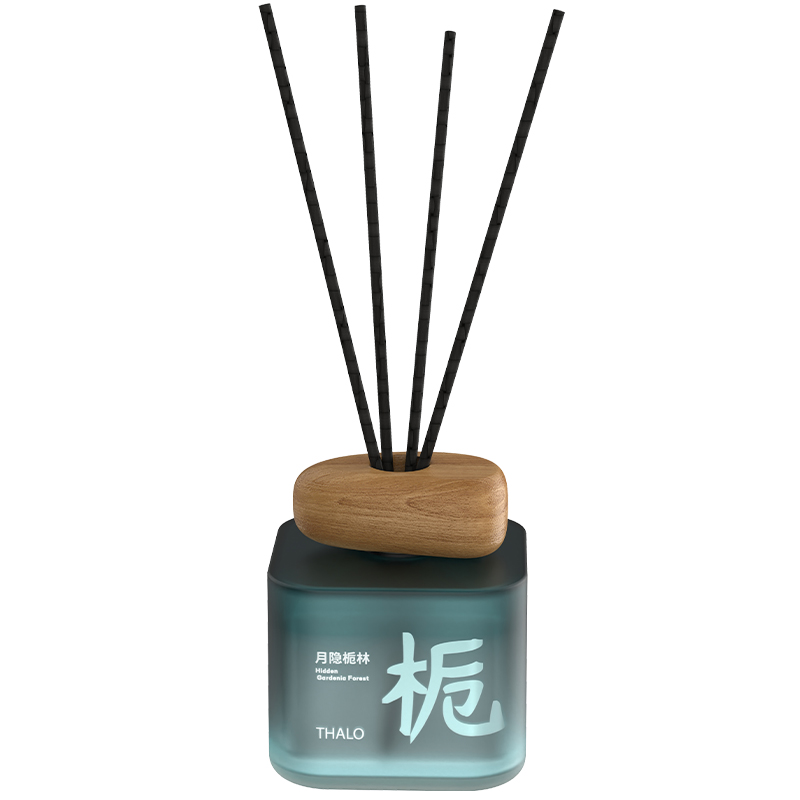
 ZHICHUNLet Nature Fill Your Space With Fragrance,Turn an ordinary room into a peaceful fragrance retreat. Thalo “Spring Awakening” Reed Diffuser brings the beauty of Oriental-inspired scents into everyday life, creating a warm and elegant atmosphere without flame, smoke or electricity.
Inspired by nature, the 180ml Home Fragrance Collection features three distinctive scents: Moonlit Gardenia Forest, Wumu Gradually Becomes Spring, and Green Tea Reflection Spring. Each fragrance unfolds gently through high-density reed sticks, filling your space with a continuous and refined aroma.
The frosted glass bottle, wood-inspired cap and minimalist design add a sophisticated decorative touch to any interior. Perfect for bedrooms, living rooms, bathrooms, offices, boutiques and hotels, this Natural Reed Diffuser creates a relaxing fragrance experience while helping refresh indoor air.
Bring a touch of spring, nature and tranquility into every moment with Thalo. XiaoxiangyuTitle: The Car Air Freshener That Keeps Every Mile Fresh
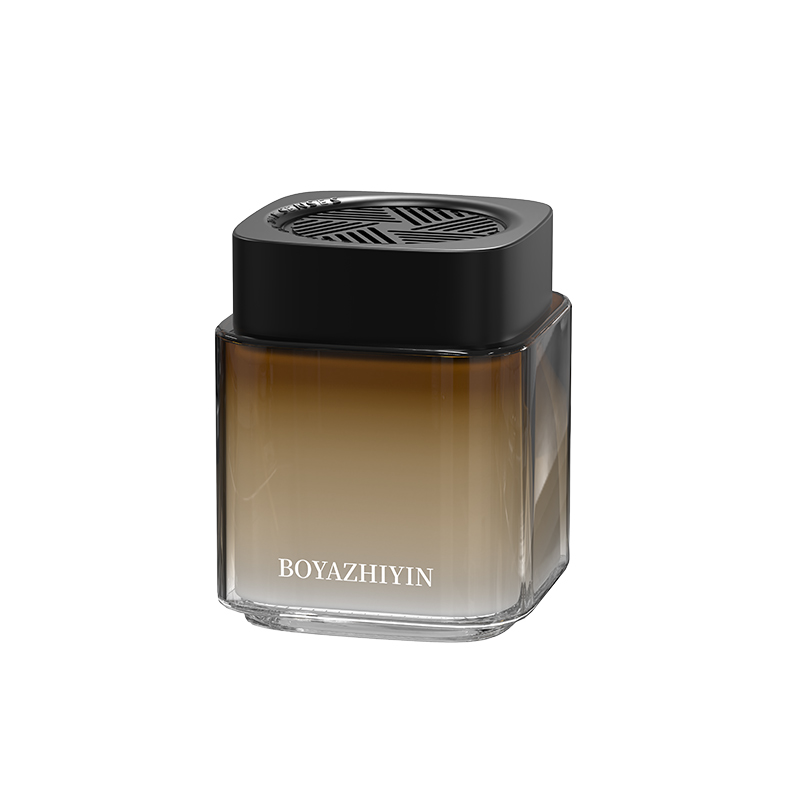
Every drive deserves a fresh, calming atmosphere. The BOYAZHIYIN car air freshener turns your car into a private sanctuary of natural scent. Crafted specifically for small spaces, this long lasting car air freshener delivers pure botanical fragrance without the dizzying intensity of ordinary car perfumes. Our solid gel formula releases scent steadily for weeks, keeping your cabin inviting from the first mile to the last. Each glass jar is built to impress, with a crystal-clear body and a striped diffusion lid that spreads fragrance evenly through every corner. Choose from four refined scents: Oud Rose, Wild Cologne, Dew Gardenia, or High Mountain White Tea. Made with plant essential oils, it is a natural car air freshener you can trust every single day. Breathe easier, drive happier, and enjoy a car that always smells as good as it looks. Ling FengTurn Every Drive Into a Fragrance Ritual
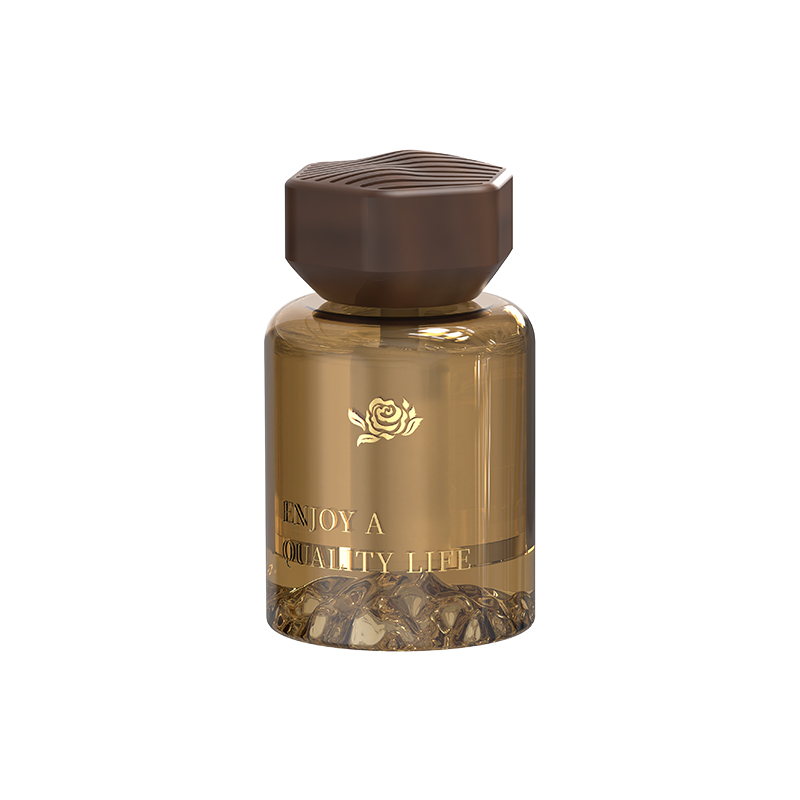
Step into your car and let a refined fragrance transform the atmosphere instantly. Designed for those who appreciate elegance in every detail, this premium car fragrance combines a sophisticated bottle design with high-quality fragrance oils to make every journey more enjoyable.
With 24-hour long-lasting diffusion and a 360° fragrance experience, the scent spreads evenly throughout your car without feeling overpowering. The oil-based formula helps maintain a smooth and consistent aroma, while perfume-grade fragrance creates a more layered and elegant scent experience.
From the fresh and delicate character of Misty Longjing to the deeper, sophisticated notes of Classic Cologne, every fragrance tells its own story. Black KnightA Fragrance That Turns Any Space Into a Memory
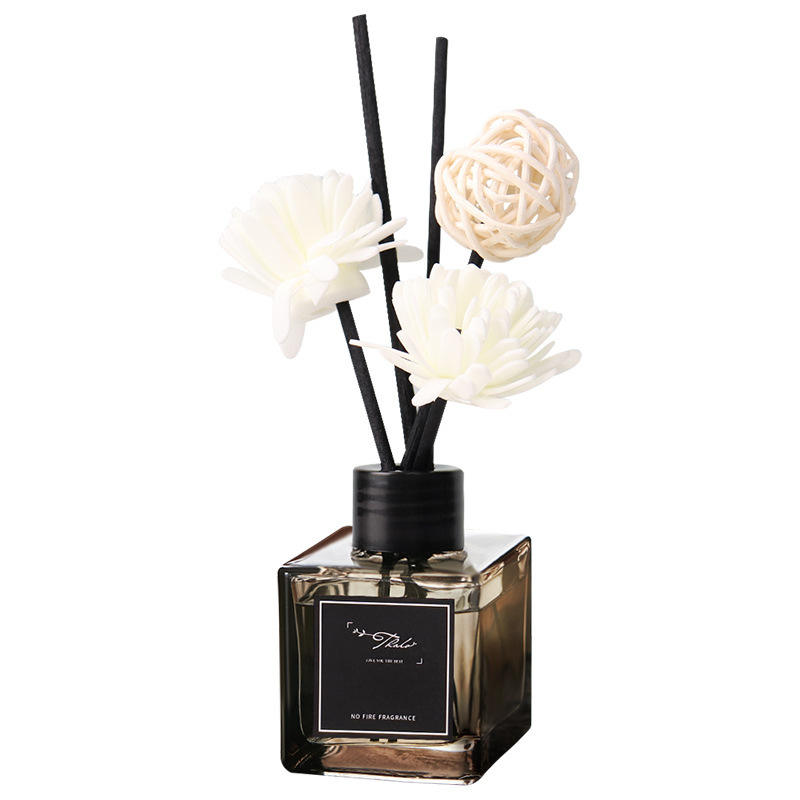
Bring nature indoors with Thalo Botanical Reed Diffuser, a premium home fragrance designed to transform everyday spaces into moments of calm. Crafted with botanical-inspired ingredients and imported fragrance oils, it releases an elegant, long-lasting aroma without flame or smoke.
The 50ml reed diffuser combines a deep brown bottle with high-density fiber reeds and handmade botanical dried flowers, creating both a beautiful decorative piece and an effective air freshener. From peaceful bedrooms to sophisticated living rooms, boutiques, hotels, exhibitions and special events, it adds a refined fragrance wherever you place it.
Choose a scent, place the diffuser, and let the fragrance unfold naturally.
Thalo — bringing the beauty of nature into every memorable moment.
Can't find what you're looking for ?
Leave a Message we will call you back quickly!
Professional Service
Interested? Leave your contact details.
Search Starts Here

