


News
When Flower Breeze Feels Too Light: How Room Size Changes Scent Performance
If a Flower Breeze product smells pleasant in the bottle but nearly disappears after use, the first thing worth checking is not the fragrance itself. It is the room. Air volume changes how quickly scent molecules spread, how concentrated they feel at nose level, and how long the impression stays in the space. This is one of the most common misunderstandings in home washing and care: people judge a fragrance as weak when the real issue is that the product is being asked to cover a larger or more open environment than it was designed for.
In smaller rooms, Flower Breeze often reads fuller and rounder. Bathrooms, compact bedrooms, dressing rooms, and enclosed laundry corners hold fragrance more efficiently because there is less air to dilute it. Even a soft floral profile can seem noticeable in these spaces, especially when doors stay closed and airflow is low. The same formula moved into an open-plan living room, a dining area connected to the kitchen, or a wide hallway may suddenly feel faint. Nothing may be wrong with the scent balance. The room has simply changed the performance conditions.
This matters because floral fragrances are often built for comfort rather than force. A name like Flower Breeze usually suggests a clean, airy character, not the dense trail of a strong oriental or woody note. In practical use, lighter floral signatures tend to be more sensitive to room size, ceiling height, cross-ventilation, and nearby odor interference. A two-meter by three-meter guest room and a high-ceiling family lounge do not ask the same thing from the same product, even if users expect the same scent strength.
What Changes First in a Large Space
The first loss is usually not duration but perception. In larger rooms, fragrance does not vanish immediately; it becomes less legible. You may catch it near freshly treated fabrics, near the mop path, or close to the air outlet, but the room as a whole no longer feels scented. This is why consumers often say, “I can smell it only when I walk in,” or “It is there for a moment, then gone.” In many homes, the scent is still present, just below the threshold where it shapes the overall atmosphere.
Ventilation makes this sharper. A living area with continuous air conditioning, a fan, or windows opened for long periods will move the fragrance away faster than a closed room. Kitchens nearby add another complication. Cooking residue, humidity, and warm air currents can compete with or distort a delicate floral profile. In those conditions, a product chosen mainly for softness may need either a higher application frequency or a different placement strategy.
Ceiling height is often ignored, but it changes the perceived density of scent. A compact apartment room with standard height can feel fragranced much sooner than a loft-like space with the same floor area. More cubic volume means more air for the fragrance to occupy. Consumers rarely think in cubic meters, but that is closer to the real performance question than square footage alone.
Why the Same Scent Works Better on Textiles in Some Rooms
Scent performance is also shaped by surfaces. Curtains, upholstery, bedding, and towels can hold fragrance and release it gradually. Hard floors, tile walls, and minimalist interiors do less of that. So two rooms of similar size may still give very different results. A soft-furnished bedroom often supports Flower Breeze better than a bare entryway, because textiles act as passive scent carriers. This is one reason laundry and fabric care products can feel more persistent in closets or bedrooms than in open social areas.
Manufacturers in home care usually learn this early: fragrance is never judged in isolation. Production scale can improve consistency, but in-use experience still depends on context. A company that has expanded from a small factory footprint into larger washing and care manufacturing capacity, like this Shandong-based business that built out its operations from 2015 onward and later added dedicated home washing and care production, is working in a category where consumer feedback often comes back to one thing: “It smells different at home than I expected.” That gap is not always a formulation failure. Very often, it is a room-condition issue.
A Simple Way to Judge Fit Before You Blame the Formula
A useful field check is to ask four questions before deciding that Flower Breeze is too weak:
This kind of check prevents a common purchasing mistake: choosing a gentle scent profile for a demanding environment, then assuming the product underperforms. Sometimes the better decision is not a stronger perfume by default, but a more precise product match. For example, in homes where pet travel gear, carriers, blankets, and entryway textiles add another odor variable, users may pair routine fragrance care with targeted protection products such as Pet insect repellent spray. That is not because fragrance and pest care do the same job. It is because real home environments rarely present one clean variable at a time. Odor comfort, hygiene habits, and pet-safe maintenance often overlap in practice.
Where Users Misread “Soft” as “Poor”
The most frequent misread happens in multipurpose family spaces. People want the room to smell fresh after cleaning, but they also do not want an aggressive fragrance hanging in the air. So they choose something airy like Flower Breeze. That choice makes sense, but only if expectations are realistic. In a large living room, a soft floral scent may create a clean impression near the sofa, curtains, or recently cleaned floor without filling every corner equally. If the expectation is hotel-lobby intensity, the mismatch is not subtle.
Another issue appears after olfactory adaptation. When users stay in the room for a while, they stop noticing the scent and assume it has disappeared. A person entering from outside may still smell it clearly. This matters when evaluating performance. Testing right after application and then again after stepping out for ten minutes gives a more reliable read than standing in one place and waiting for the scent to “stay obvious.”
Pet households add one more layer. If blankets, pet beds, or travel accessories are stored in medium-sized rooms, the fragrance may seem weaker simply because odor load is higher. In those cases, product choice should consider both atmosphere and maintenance. A pet-safe support item like Pet insect repellent spray, which is positioned around plant-based insect repellent ingredients and avoids chemical pesticides, may fit households that want mild care routines for pregnant or young pets while keeping the broader home environment manageable. It does not replace fragrance care, but it can reduce one of the background stressors that make fresh scent performance harder to judge.
The practical takeaway is simple. Before rejecting Flower Breeze as too light, look at the room size, the air movement, the surfaces, and the surrounding odor load. In a closed bedroom, it may be exactly right. In a large, active, open space, the same scent may need a different delivery form, more frequent use, or a stronger profile altogether. Fragrance quality matters, but the room is doing more of the work than most people realize.
Related Products
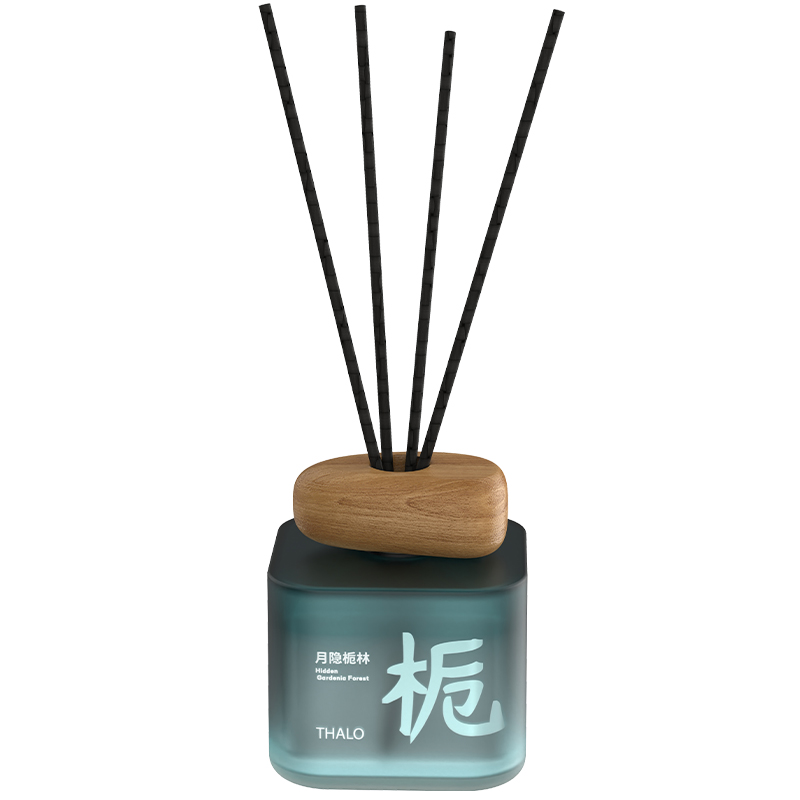
 ZHICHUNLet Nature Fill Your Space With Fragrance,Turn an ordinary room into a peaceful fragrance retreat. Thalo “Spring Awakening” Reed Diffuser brings the beauty of Oriental-inspired scents into everyday life, creating a warm and elegant atmosphere without flame, smoke or electricity.
Inspired by nature, the 180ml Home Fragrance Collection features three distinctive scents: Moonlit Gardenia Forest, Wumu Gradually Becomes Spring, and Green Tea Reflection Spring. Each fragrance unfolds gently through high-density reed sticks, filling your space with a continuous and refined aroma.
The frosted glass bottle, wood-inspired cap and minimalist design add a sophisticated decorative touch to any interior. Perfect for bedrooms, living rooms, bathrooms, offices, boutiques and hotels, this Natural Reed Diffuser creates a relaxing fragrance experience while helping refresh indoor air.
Bring a touch of spring, nature and tranquility into every moment with Thalo. XiaoxiangyuTitle: The Car Air Freshener That Keeps Every Mile Fresh
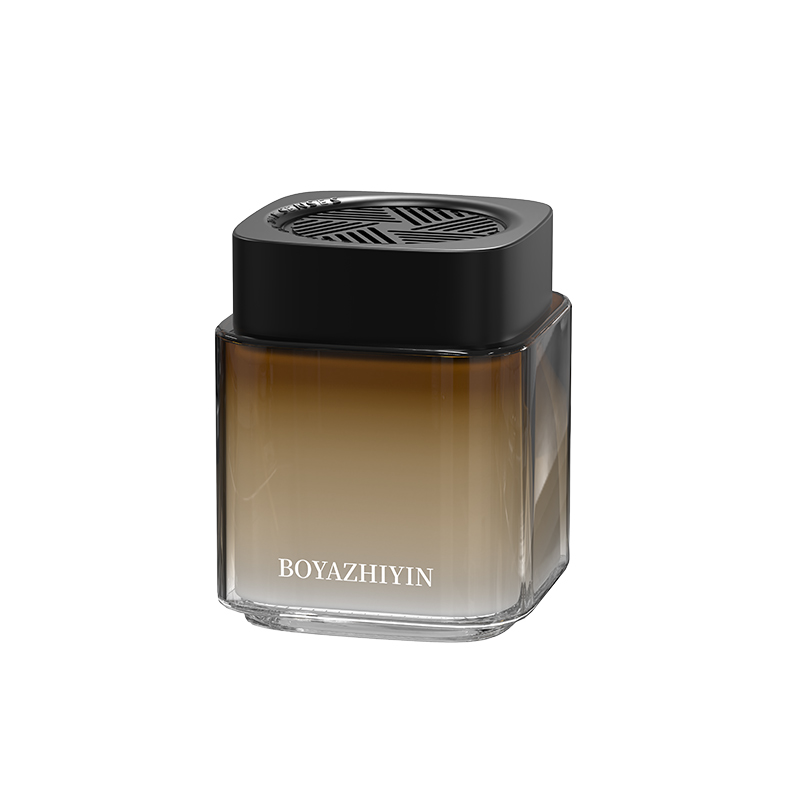
Every drive deserves a fresh, calming atmosphere. The BOYAZHIYIN car air freshener turns your car into a private sanctuary of natural scent. Crafted specifically for small spaces, this long lasting car air freshener delivers pure botanical fragrance without the dizzying intensity of ordinary car perfumes. Our solid gel formula releases scent steadily for weeks, keeping your cabin inviting from the first mile to the last. Each glass jar is built to impress, with a crystal-clear body and a striped diffusion lid that spreads fragrance evenly through every corner. Choose from four refined scents: Oud Rose, Wild Cologne, Dew Gardenia, or High Mountain White Tea. Made with plant essential oils, it is a natural car air freshener you can trust every single day. Breathe easier, drive happier, and enjoy a car that always smells as good as it looks. Ling FengTurn Every Drive Into a Fragrance Ritual
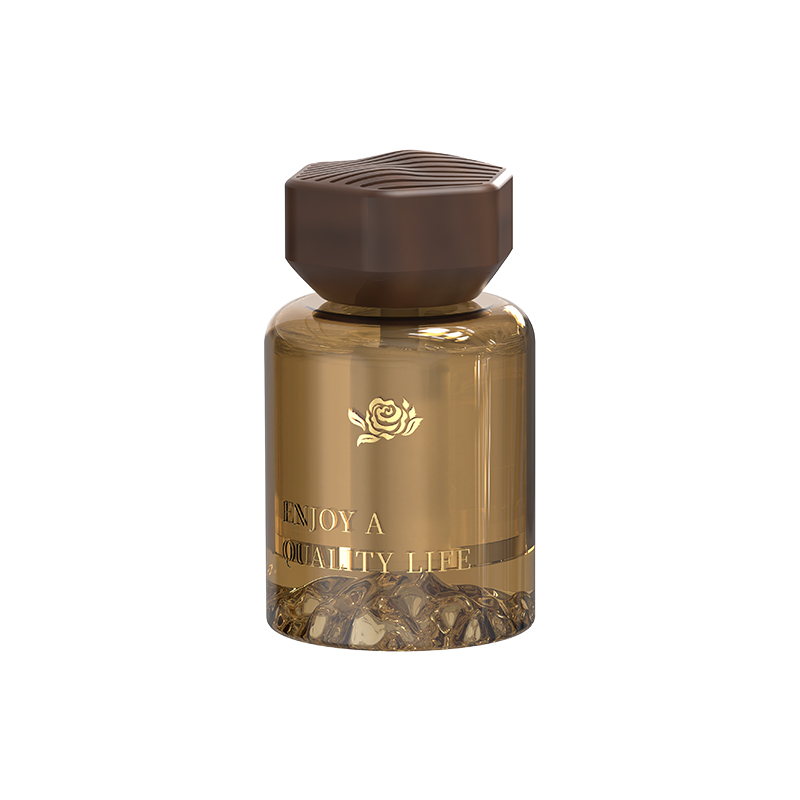
Step into your car and let a refined fragrance transform the atmosphere instantly. Designed for those who appreciate elegance in every detail, this premium car fragrance combines a sophisticated bottle design with high-quality fragrance oils to make every journey more enjoyable.
With 24-hour long-lasting diffusion and a 360° fragrance experience, the scent spreads evenly throughout your car without feeling overpowering. The oil-based formula helps maintain a smooth and consistent aroma, while perfume-grade fragrance creates a more layered and elegant scent experience.
From the fresh and delicate character of Misty Longjing to the deeper, sophisticated notes of Classic Cologne, every fragrance tells its own story. Black KnightA Fragrance That Turns Any Space Into a Memory
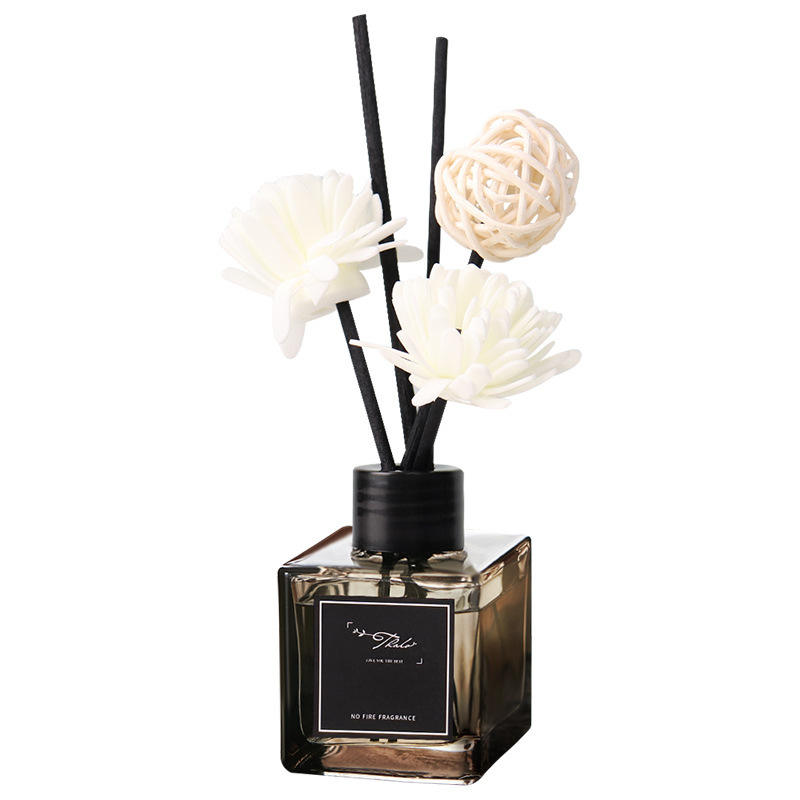
Bring nature indoors with Thalo Botanical Reed Diffuser, a premium home fragrance designed to transform everyday spaces into moments of calm. Crafted with botanical-inspired ingredients and imported fragrance oils, it releases an elegant, long-lasting aroma without flame or smoke.
The 50ml reed diffuser combines a deep brown bottle with high-density fiber reeds and handmade botanical dried flowers, creating both a beautiful decorative piece and an effective air freshener. From peaceful bedrooms to sophisticated living rooms, boutiques, hotels, exhibitions and special events, it adds a refined fragrance wherever you place it.
Choose a scent, place the diffuser, and let the fragrance unfold naturally.
Thalo — bringing the beauty of nature into every memorable moment.
Can't find what you're looking for ?
Leave a Message we will call you back quickly!
Professional Service
Interested? Leave your contact details.
Search Starts Here

