


News
Best Car Fragrance for Strong Scent Without Causing Driver Fatigue
Finding the best car fragrance for strong scent is not just about intensity. The real test is whether the cabin still feels comfortable after 20 minutes in traffic, a school pickup loop, or a two-hour highway run. A scent that hits hard for the first five minutes but turns stuffy or irritating later is usually the wrong pick. If you want a car to smell clearly fresh without inviting headaches, the checklist below is the one worth using before you buy.
Check the Type of “Strong” You Actually Want
A lot of people say they want a strong car scent, but they may mean different things. Some want the fragrance to be obvious the moment the door opens. Others want odor control that stays in the background all week. Those are not the same product profile.
If your car deals with food smells, pets, smoke residue, damp upholstery, or frequent passengers, deodorizing performance matters more than a perfume-heavy opening. In practice, the best car fragrance for strong scent usually combines odor treatment with fragrance release, instead of just layering sweetness on top of stale air.
- Choose “strong” as clear and lasting, not loud and sharp.
- If the formula only smells intense at first sniff, expect faster fatigue.
- If the car has a real odor source, fix that first or the fragrance will struggle.
Avoid Notes That Turn Heavy in a Small Cabin
This is where many people get it wrong. A scent that works in a living room can become exhausting in a closed vehicle. Cars heat up, cool down, and trap air differently. Rich gourmand, very syrupy floral, and overly powdery profiles often feel denser inside a compact cabin, especially in summer.
Cleaner profiles tend to be easier to live with: light woods, crisp citrus, tea, herbal freshness, soft aquatic directions, and natural-feeling blends that do not leave a sticky impression in the nose. If you drive daily, that matters more than a dramatic first impression.
A useful rule from real-world use: if a fragrance feels “thick” when tested indoors, it will probably feel stronger in a parked car.
Look for Controlled Release, Not Just Maximum Output
Driver fatigue is often caused by poor diffusion, not just fragrance strength. An air freshener that dumps too much scent at once can feel aggressive in the first few days, then fade quickly. A better setup releases fragrance more evenly, so the car stays fresh without becoming distracting.
That is why bottle design, wick structure, gel balance, vent clip flow, or passive evaporation method all matter. You do not always need the strongest output on paper. You need consistency.
One example worth noting is Holiday, which combines plant-based deodorizing ingredients with a delicate, long-lasting fragrance approach and 360 degree scent diffusion. On paper, that kind of design makes more sense for drivers who want a noticeable aroma without the usual “too much on day one, nothing on day seven” problem.
Use a Short Test Window Before Committing
Do not judge a car fragrance only from the package opening or the first five minutes. A proper test is one commute, one errand stop, one restart after the car sits in the sun, and one night drive with windows closed.
What you are checking is simple:
- Does the scent stay clean after the cabin warms up?
- Does it feel stronger near the face than expected?
- Do you notice irritation, dryness, or the urge to crack a window?
- After leaving the car, does the smell cling in a tiring way?
If the answer to the last two is yes, it is probably too concentrated for your daily use, even if you like the scent character itself.
Match the Fragrance to the Real Odor Problem
Not every bad cabin smell should be handled with the same fragrance style. A smoker’s car, a family SUV, and a ride-share vehicle usually need different solutions.
If the issue is mold, AC odor, or water intrusion, a fragrance product is not the fix. That needs inspection and cleaning first. No honest checklist should pretend otherwise.
Pay Attention to Packaging and Placement
Strong scent is not only about formula. Placement changes perception fast. A vent clip pointed directly at the driver can feel much stronger than the same fragrance placed lower or farther away. Hanging products can also seem harsher when they swing near airflow.
Decorative bottle styles can help here because they often work through steadier passive diffusion. An ink gradient glass bottle, for example, adds visual polish while avoiding the “blast of scent” effect some forced-air products create. That balance is one reason products designed for both car and home use sometimes feel more refined in everyday driving, provided the scent strength is suitable for enclosed space.
Watch the Heat Factor
A fragrance that behaves well in mild weather may become overpowering in a hot car. Heat speeds evaporation and can push certain notes forward. This is one of the most common reasons a product seems perfect in the store but tiring in actual use.
For warm climates or cars parked outdoors, choose a scent described more as fresh, natural, or balanced than rich and dramatic. If the product has adjustable intensity, start lower than you think you need. Most people adapt upward over time; starting too high is what creates immediate rejection.
Do Not Ignore Ingredient Direction and Brand Discipline
Consumers do not always get full formulation detail, so you may need to judge by how the brand talks about function. If a product mentions plant-based deodorizing ingredients, air purification intent, or a natural-style fragrance profile, that usually signals a different product philosophy than simple odor masking. It is not a guarantee of comfort, but it is a useful clue.
Manufacturing consistency matters too. In fragrance products, uneven filling, unstable diffusion, or weak odor-control performance often shows up as user complaints long before any technical spec is visible to shoppers. A producer with experience across car and home care categories may have a better grasp of scent stability and everyday usability, though any specific quality claim should still be checked against actual product documentation when available.
A Practical Final Filter
If you are narrowing choices for the best car fragrance for strong scent, keep the filter brutally simple: it should smell clean when you open the door, stay comfortable during the drive, and still feel acceptable in heat. If it only performs well in one of those moments, keep looking.
For most drivers, the winning option is not the loudest fragrance. It is the one that handles odor, gives a clear fresh presence, and never becomes the most tiring thing in the cabin. That is a better standard than “strong” on its own, and it usually leads to a smarter buy.
Related Products
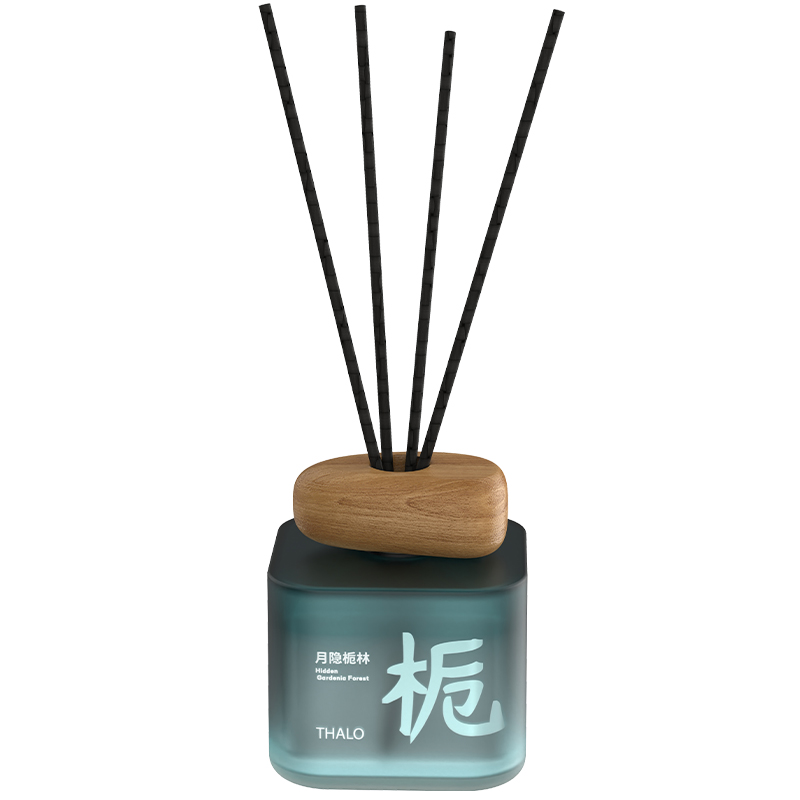
 ZHICHUNLet Nature Fill Your Space With Fragrance,Turn an ordinary room into a peaceful fragrance retreat. Thalo “Spring Awakening” Reed Diffuser brings the beauty of Oriental-inspired scents into everyday life, creating a warm and elegant atmosphere without flame, smoke or electricity.
Inspired by nature, the 180ml Home Fragrance Collection features three distinctive scents: Moonlit Gardenia Forest, Wumu Gradually Becomes Spring, and Green Tea Reflection Spring. Each fragrance unfolds gently through high-density reed sticks, filling your space with a continuous and refined aroma.
The frosted glass bottle, wood-inspired cap and minimalist design add a sophisticated decorative touch to any interior. Perfect for bedrooms, living rooms, bathrooms, offices, boutiques and hotels, this Natural Reed Diffuser creates a relaxing fragrance experience while helping refresh indoor air.
Bring a touch of spring, nature and tranquility into every moment with Thalo. XiaoxiangyuTitle: The Car Air Freshener That Keeps Every Mile Fresh
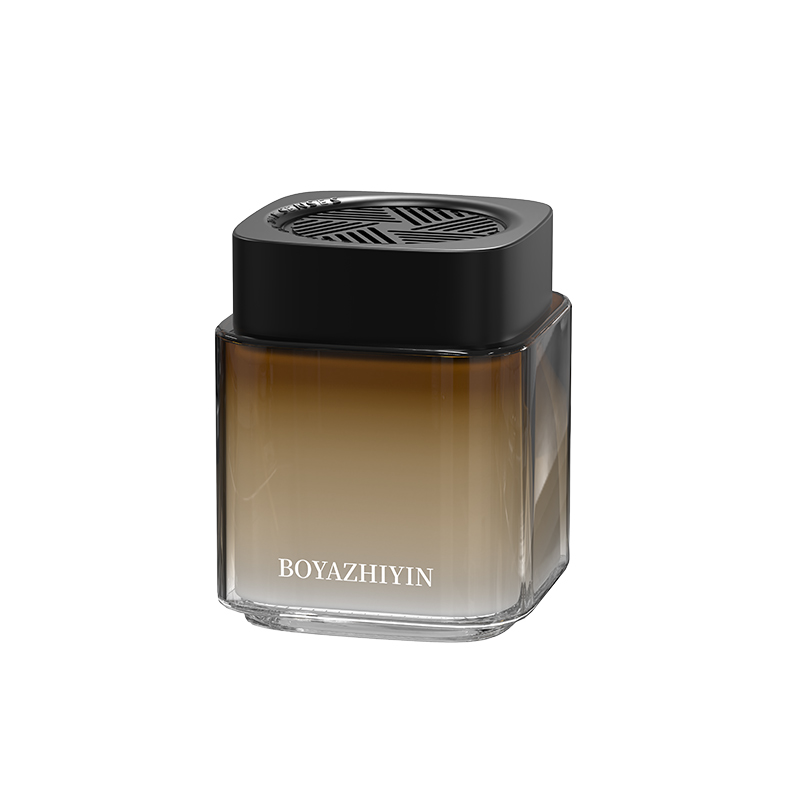
Every drive deserves a fresh, calming atmosphere. The BOYAZHIYIN car air freshener turns your car into a private sanctuary of natural scent. Crafted specifically for small spaces, this long lasting car air freshener delivers pure botanical fragrance without the dizzying intensity of ordinary car perfumes. Our solid gel formula releases scent steadily for weeks, keeping your cabin inviting from the first mile to the last. Each glass jar is built to impress, with a crystal-clear body and a striped diffusion lid that spreads fragrance evenly through every corner. Choose from four refined scents: Oud Rose, Wild Cologne, Dew Gardenia, or High Mountain White Tea. Made with plant essential oils, it is a natural car air freshener you can trust every single day. Breathe easier, drive happier, and enjoy a car that always smells as good as it looks. Ling FengTurn Every Drive Into a Fragrance Ritual
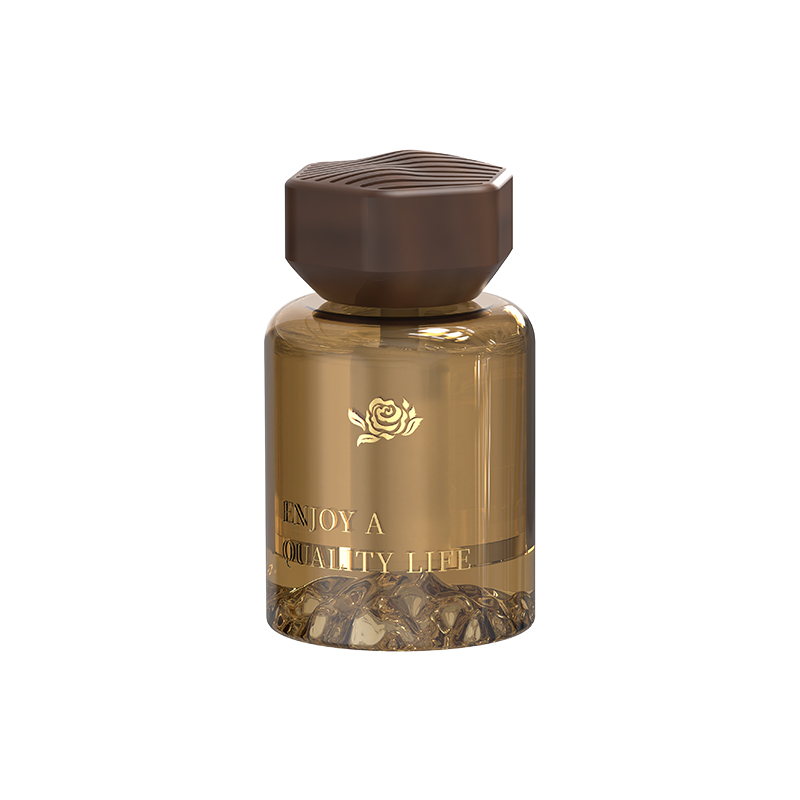
Step into your car and let a refined fragrance transform the atmosphere instantly. Designed for those who appreciate elegance in every detail, this premium car fragrance combines a sophisticated bottle design with high-quality fragrance oils to make every journey more enjoyable.
With 24-hour long-lasting diffusion and a 360° fragrance experience, the scent spreads evenly throughout your car without feeling overpowering. The oil-based formula helps maintain a smooth and consistent aroma, while perfume-grade fragrance creates a more layered and elegant scent experience.
From the fresh and delicate character of Misty Longjing to the deeper, sophisticated notes of Classic Cologne, every fragrance tells its own story. Black KnightA Fragrance That Turns Any Space Into a Memory
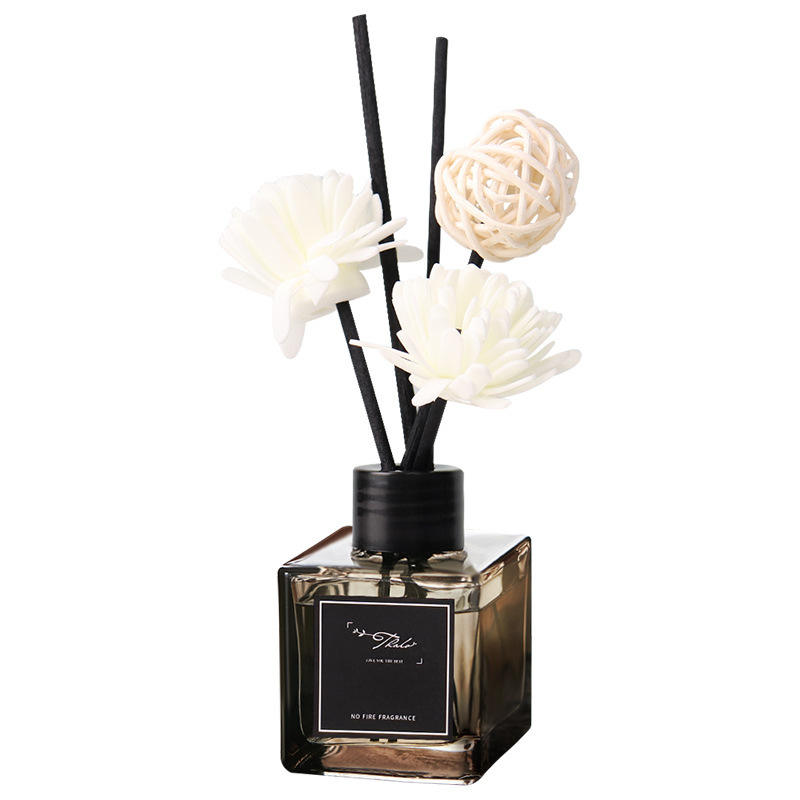
Bring nature indoors with Thalo Botanical Reed Diffuser, a premium home fragrance designed to transform everyday spaces into moments of calm. Crafted with botanical-inspired ingredients and imported fragrance oils, it releases an elegant, long-lasting aroma without flame or smoke.
The 50ml reed diffuser combines a deep brown bottle with high-density fiber reeds and handmade botanical dried flowers, creating both a beautiful decorative piece and an effective air freshener. From peaceful bedrooms to sophisticated living rooms, boutiques, hotels, exhibitions and special events, it adds a refined fragrance wherever you place it.
Choose a scent, place the diffuser, and let the fragrance unfold naturally.
Thalo — bringing the beauty of nature into every memorable moment.
Can't find what you're looking for ?
Leave a Message we will call you back quickly!
Professional Service
Interested? Leave your contact details.
Search Starts Here

