


News
Using a Pipe Cleaning Agent incorrectly can shorten pipe life instead of protecting it. In daily chemical care, usage habits are changing fast.
After-sales maintenance now focuses on durability, safety, and lower repair frequency. That shift makes correct Pipe Cleaning Agent selection and application more important than ever.
Small errors, such as overdosing or mixing formulas, often create hidden damage. These issues may not appear immediately, but they build into expensive service problems later.
In the household and industrial cleaning sector, product performance is no longer judged only by speed. Long-term material compatibility has become a major quality signal.
Pipe care expectations are shifting from quick results to system-safe performance
The biggest trend around Pipe Cleaning Agent use is a move away from aggressive, one-step cleaning. Safer chemistry and accurate application are gaining more attention.
Drainage systems now include more mixed materials, coatings, and compact layouts. That means one strong cleaner cannot fit every blockage or every pipe condition.
This trend matters for daily chemical product design as well. Buyers increasingly compare not only cleaning strength, but also residue, odor, corrosiveness, and rinse behavior.
A modern Pipe Cleaning Agent must balance effectiveness with protection. That is especially true where repeated maintenance affects service reputation and replacement costs.
Common mistakes are becoming more visible in long-term maintenance data
- Using too much Pipe Cleaning Agent for minor buildup
- Mixing acid and alkaline drain cleaners
- Ignoring pipe material compatibility
- Leaving the formula in pipes too long
- Applying a kitchen formula in bathroom lines
- Repeating treatment without flushing properly
Why Pipe Cleaning Agent misuse is increasing in real cleaning scenarios
Several market and usage factors are driving these mistakes. The issue is not only product quality. It is also about faster expectations and weaker instruction awareness.
Another overlooked factor is product mismatch by use case. Grease, hair, soap scum, and mineral scale do not respond equally to the same Pipe Cleaning Agent.
In consumer environments, fragrance and comfort also shape product choices. Some care brands extend this thinking across cleaning categories with lifestyle-focused formulations like Freezing point.
The most damaging Pipe Cleaning Agent mistakes and their hidden effects
Overuse does not mean better cleaning
Too much Pipe Cleaning Agent can generate excess heat, foam, or chemical residue. That buildup may harden around debris and worsen the blockage over time.
Chemical mixing creates safety and material risks
Combining cleaners can release dangerous fumes or trigger violent reactions. It may also weaken pipe walls, especially in older plastic systems or metal joints.
Wrong formula selection damages specific pipe materials
A Pipe Cleaning Agent made for heavy grease may be too harsh for thin household pipes. Acidic products can attack metals, while alkaline products may harm seals.
Long contact time increases corrosion risk
Many users leave cleaner overnight, expecting stronger results. In reality, extended dwell time can etch surfaces and reduce pipe integrity.
Poor flushing leaves secondary problems behind
Without enough water, remaining Pipe Cleaning Agent may continue reacting inside the line. This can create odor, residue, or repeat clogging.
These mistakes are affecting service quality across key maintenance links
The effects go beyond one blocked drain. Incorrect Pipe Cleaning Agent use changes maintenance frequency, customer trust, and the total cost of pipeline care.
- More pipe corrosion means earlier component replacement
- Recurring blockages increase service callbacks
- Improper use raises complaint risk around odor and safety
- Inconsistent outcomes reduce confidence in cleaning products
Enterprises with long production growth often learn this through category expansion. Since 2015, one Linyi-based daily chemical business has grown from a small factory to over 160 employees.
Its development across home washing and care reflects a wider industry pattern: cleaner formulas must serve both performance and user safety in more complex markets.
What deserves closer attention as Pipe Cleaning Agent standards continue rising
- Clear labeling by blockage type and pipe material
- Controlled concentration instead of extreme strength
- Practical instructions for dwell time and flushing volume
- Safer odor profile and lower irritation during use
- Formula stability across repeated maintenance cycles
This same user-centered logic appears in adjacent care products. For example, Freezing point highlights natural fragrances, safety, and a more comfortable environment.
Although designed for automotive space freshness, that approach reflects a broader trend in daily chemical products: function must work alongside safety and sensory experience.
How to respond before Pipe Cleaning Agent misuse becomes a larger cost issue
The next step is simple but important. Review how each Pipe Cleaning Agent is being used, where failures repeat, and whether the formula fits the actual pipe system.
Better results come from precision, not aggression. When Pipe Cleaning Agent decisions become more informed, pipes last longer, maintenance improves, and service costs stay under control.
Related Products
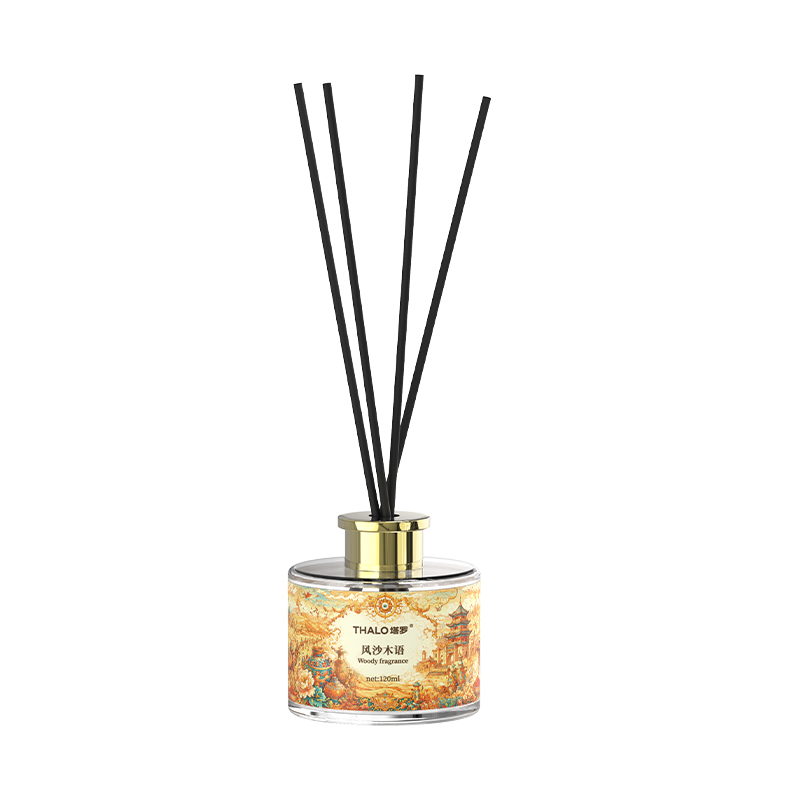
 Silk Road Flower LanguageA Fragrance Journey Along the Silk Road
Step into a world where ancient Silk Road culture meets modern home fragrance. Thalo Silk Road Reed Diffuser transforms your space with an elegant Oriental-inspired aroma, bringing warmth, sophistication and a sense of discovery to everyday moments.
Designed as a flameless home fragrance, it continuously releases fragrance through natural diffuser reeds, creating a calm and inviting atmosphere without fire or electricity. The artistic bottle and premium gift box make it a beautiful addition to bedrooms, entryways, living rooms, boutiques and hotels.
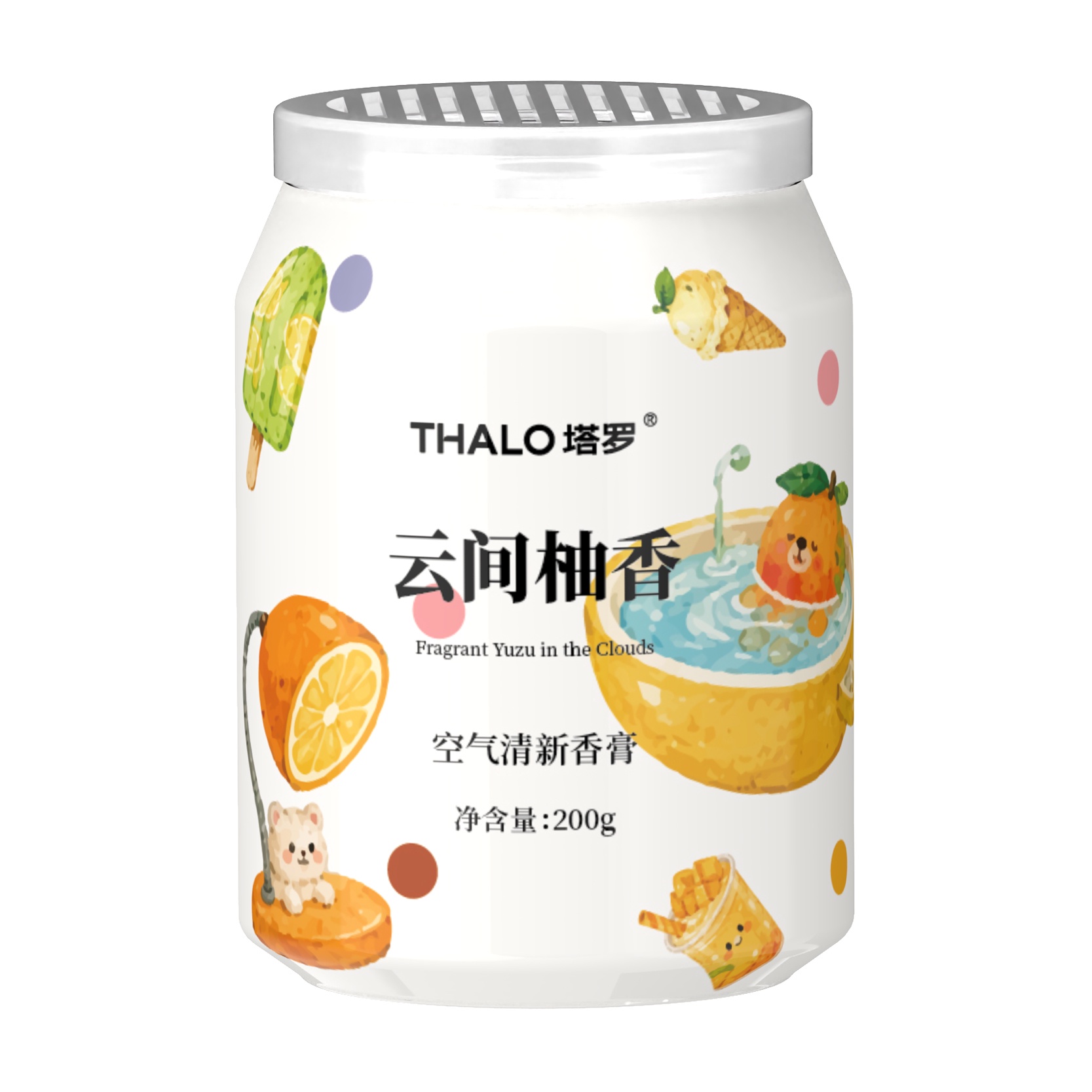
Let every breath become a journey through fragrance. GuoyangYour Car Deserves Better Than That "New Car Smell"
Ever step into your car and wish it smelled like a sunlit orchard instead of stale air.Meet THALO's Fruit Scent Collection — a solid car air freshener that turns every drive into a mini fruit paradise. No sprays, no plugs, no mess. Just unscrew the ventilated lid, and let the 200g fragrance gel slowly release pure, juicy aroma for weeks.
Pick your mood: White Peach in the Snow (soft, creamy, dreamy), Fragrant Yuzu in the Clouds (bright citrus that wakes you up), or Laurel Apple (warm apple-cinnamon comfort). Each jar is hand-illustrated with adorable fruit art that looks as good as it smells — a dopamine hit for your cup holder.
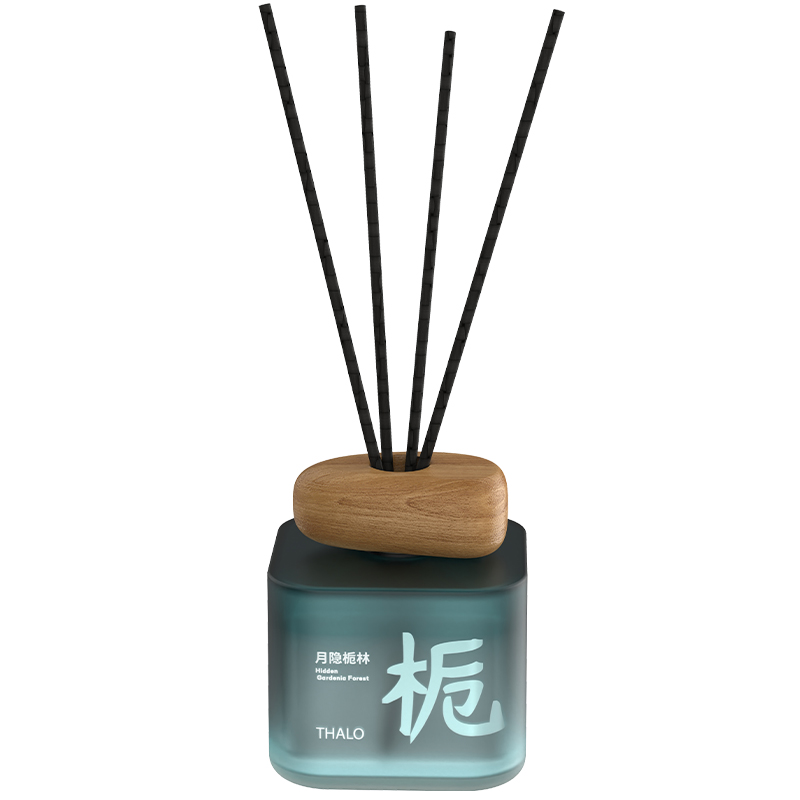
Safe for daily commutes, family trips, and long drives. Plant-based formula, IFRA-certified, crafted with Firmenich perfumers. Fresh air, one twist away. ZHICHUNLet Nature Fill Your Space With Fragrance,Turn an ordinary room into a peaceful fragrance retreat. Thalo “Spring Awakening” Reed Diffuser brings the beauty of Oriental-inspired scents into everyday life, creating a warm and elegant atmosphere without flame, smoke or electricity.
Inspired by nature, the 180ml Home Fragrance Collection features three distinctive scents: Moonlit Gardenia Forest, Wumu Gradually Becomes Spring, and Green Tea Reflection Spring. Each fragrance unfolds gently through high-density reed sticks, filling your space with a continuous and refined aroma.
The frosted glass bottle, wood-inspired cap and minimalist design add a sophisticated decorative touch to any interior. Perfect for bedrooms, living rooms, bathrooms, offices, boutiques and hotels, this Natural Reed Diffuser creates a relaxing fragrance experience while helping refresh indoor air.
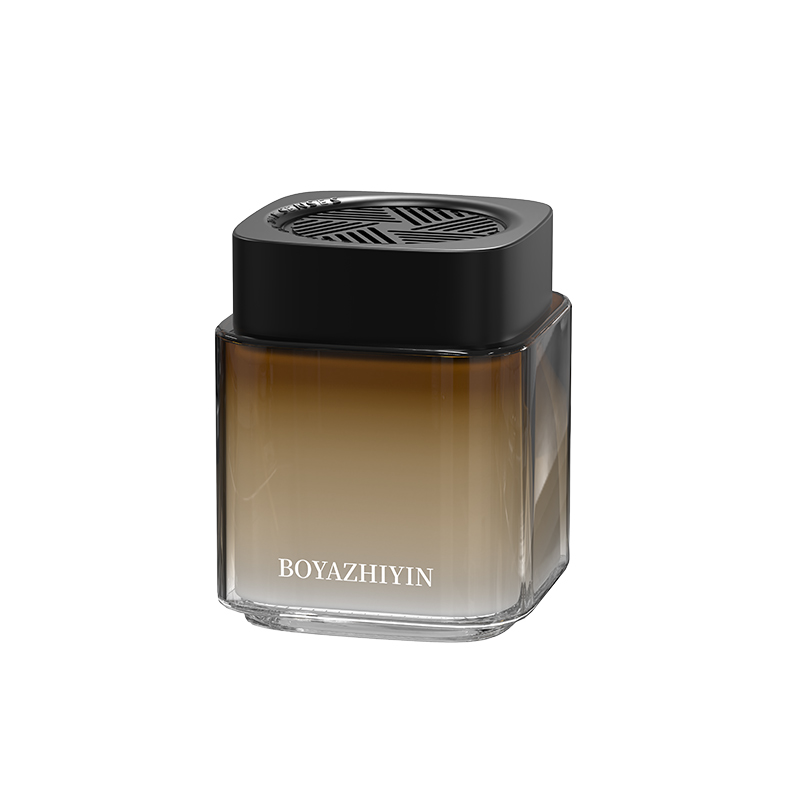
Bring a touch of spring, nature and tranquility into every moment with Thalo. XiaoxiangyuTitle: The Car Air Freshener That Keeps Every Mile Fresh
Every drive deserves a fresh, calming atmosphere. The BOYAZHIYIN car air freshener turns your car into a private sanctuary of natural scent. Crafted specifically for small spaces, this long lasting car air freshener delivers pure botanical fragrance without the dizzying intensity of ordinary car perfumes. Our solid gel formula releases scent steadily for weeks, keeping your cabin inviting from the first mile to the last. Each glass jar is built to impress, with a crystal-clear body and a striped diffusion lid that spreads fragrance evenly through every corner. Choose from four refined scents: Oud Rose, Wild Cologne, Dew Gardenia, or High Mountain White Tea. Made with plant essential oils, it is a natural car air freshener you can trust every single day. Breathe easier, drive happier, and enjoy a car that always smells as good as it looks.
Can't find what you're looking for ?
Leave a Message we will call you back quickly!
Professional Service
Interested? Leave your contact details.
Search Starts Here

