


News
Choosing the right car air fragrance can make every drive more enjoyable, but with so many options like gel, spray, and vent clip, it is not always easy to decide. Each type offers different benefits in scent strength, convenience, and lasting power. In this guide, we compare the most popular choices to help you find the best match for your car and daily needs.
How to Choose the Right Car Air Fragrance for Daily Driving
For most consumers, buying a car air fragrance is not only about scent. It is also about safety, staying power, ease of use, and whether the product fits real driving habits. A commuter who spends two hours a day in traffic needs something different from a weekend driver.
In the household and personal care industry, fragrance products are judged by a few practical standards: stable scent release, low irritation, clean packaging, and reliable filling quality. These factors matter even more inside a small enclosed cabin where odors can become overwhelming very quickly.
Consumers often struggle with three common issues when selecting a car air fragrance:
- The scent is too strong at first and fades too fast after a few days.
- The fragrance clashes with heat, food smells, pets, smoke, or humid interiors.
- The format looks attractive online but is inconvenient in real use.
That is why a side-by-side comparison matters. Gel, spray, and vent clip options all serve the same purpose, but they perform differently in release speed, intensity control, and cost over time.
Gel, Spray, or Vent Clip: What Are the Real Differences?
When shoppers search for the best car air fragrance, they usually compare convenience and longevity first. The table below gives a practical overview of the three most common formats used in passenger cars.
This comparison shows that no single format is ideal for every user. The right car air fragrance depends on whether you value instant effect, subtle background scent, or hands-free operation during frequent driving.
Gel Fragrance: Balanced and Low Effort
Gel is often chosen by family car owners because it is easy to place and does not need power or frequent handling. It usually releases fragrance more gradually than spray, which helps avoid an overly sharp first impression.
This format works well if your main goal is to reduce stale air, mild upholstery odor, or everyday cabin stuffiness. However, in extreme summer heat, evaporation can speed up, so storage position matters.
Spray Fragrance: Fast Results for Active Use
Spray offers the strongest immediate response. If you have just finished a meal in the car, carried sports gear, or picked up passengers, spray can refresh the cabin within seconds. It is also easier to control by adjusting the number of sprays.
The trade-off is frequency. A spray-based car air fragrance usually needs regular use, which some drivers do not mind, but others may find inconvenient during busy commutes.
Vent Clip Fragrance: Efficient Airflow Distribution
Vent clip products are popular because they use the vehicle ventilation system to spread scent across the cabin. When the air conditioner is on, diffusion can be quick and even, making the interior feel fresher with less product waste.
Still, if you rarely run the fan or your vents are weak, the performance may not match expectations. This is why buyers should think about actual usage conditions, not only fragrance notes or packaging design.
Which Car Air Fragrance Fits Different Driving Scenarios?
A smart purchase decision starts with the scenario. The same car air fragrance may feel perfect in a compact commuter car but too weak in a larger SUV or too intense in a small hatchback. The table below helps match fragrance type to use case.
Scenario-based selection helps consumers avoid two expensive mistakes: paying for strong fragrance that becomes tiring, or buying a mild product that cannot handle real odor challenges inside the vehicle.
What Should You Check Before Buying?
Key Selection Factors
When choosing a car air fragrance, shoppers should look beyond scent names like ocean, lemon, or vanilla. The better approach is to judge product performance through a practical checklist.
- Check fragrance release style. Do you want constant diffusion or on-demand freshness?
- Consider cabin size. A compact car may need lower intensity than a multi-row vehicle.
- Think about passengers. If children, pregnant users, or sensitive riders are present, softer scents are usually more suitable.
- Review packaging stability. Car interiors face vibration, sunlight, and temperature change, so leakage resistance matters.
- Compare replacement cost over time. A cheaper unit may cost more if it runs out quickly.
In the daily chemical products sector, formula balance is especially important. A pleasant product should not only smell good at opening. It should remain comfortable through repeated use in a closed environment.
A Practical Option for Consumers Who Prefer Mild, Lasting Scent
Some consumers want a car air fragrance that feels gentler than a sharp spray but more refined than basic gel cups. In that case, a diffuser-style format can be worth considering, especially for users who prefer a soft and natural scent profile.
One example is Fanghua reed diffuser, designed for car use with a 120ml capacity. Its product highlights include long-lasting fragrance, selected plant extracts of spices, and a high frequency expansion hole design to help create a fragrant space more evenly.
For shoppers who care about a softer aroma and larger capacity, this kind of option may be appealing. The positioning is especially relevant for family users who want a more natural in-car atmosphere and prefer products described as suitable for use with peace of mind for pregnancy and infants.
How Product Quality and Manufacturing Experience Affect Your Choice
Consumers often focus on fragrance notes and overlook manufacturing consistency. Yet in daily chemical products, filling accuracy, packaging assembly, raw material selection, and expansion structure all influence the real user experience of a car air fragrance.
A manufacturer with stable development history can usually support better process control across fragrance, washing, and care categories. Since 2015, the company behind these solutions has expanded from an initial factory setup to larger industrial park operations, followed by acquisition and multi-channel business growth in 2018 and 2019.
Further expansion included a home washing and care factory in 2020 and a second factory in 2021. Located in Linyi, Shandong province, with more than 160 employees, the company has accumulated practical production experience in consumer-oriented daily chemical goods, which supports more reliable supply and product development capability.
For end users, this matters in simple ways: more stable packaging, more consistent scent batches, and better ability to support sample confirmation, fragrance selection, and volume orders through established production systems.
Common Mistakes When Buying Car Air Fragrance
- Choosing by scent name alone. A fragrance labeled fresh may still be too intense for a small cabin.
- Ignoring seasonality. Heat can increase release speed, while winter may slow diffusion.
- Using one format for every problem. Spray is good for quick correction, but not always best for long-term comfort.
- Overlooking user sensitivity. Some passengers prefer low-odor cabins or react poorly to strong perfume styles.
- Forgetting replacement planning. A fragrance that runs out too soon creates extra cost and inconvenience.
A better buying decision comes from matching product format to odor source, vehicle size, and driving frequency. That is more useful than following trends or choosing the strongest scent available.
FAQ About Car Air Fragrance
Which type of car air fragrance lasts the longest?
In general, gel and diffuser-style products tend to last longer than sprays because they release fragrance gradually. Actual duration depends on temperature, ventilation habits, cabin size, and formula concentration.
Is spray or vent clip better for removing bad odors quickly?
Spray is usually better for fast response because it works immediately after application. Vent clips are better for maintaining a fresher environment over time once airflow begins.
What scent profile is safest for family use?
Most families prefer soft, natural, non-overpowering fragrance styles. Plant-inspired or lightly fresh notes are often easier to accept than heavy sweet or musky profiles, especially during long rides.
Can one product work in every car?
Not always. A compact car, sedan, SUV, and ride-share vehicle can have very different ventilation and odor conditions. That is why matching product type and capacity to the actual space is important.
Why Choose Us for Car Fragrance Selection and Supply Support?
If you are comparing options for personal use or planning a larger purchase, we can help you go beyond simple scent descriptions. Our background in daily chemical manufacturing supports more practical consultation based on format, use scenario, and product stability.
You can contact us to discuss specific needs such as fragrance style selection, capacity confirmation, sample support, delivery timing, packaging preferences, and suitable options for family cars, commuting vehicles, or passenger-heavy use cases.
If you want a car air fragrance that matches your budget and driving habits more accurately, we can also help compare gel, spray, vent clip, and diffuser-based solutions, including products like Fanghua reed diffuser, so you can choose with more confidence.
Related Products
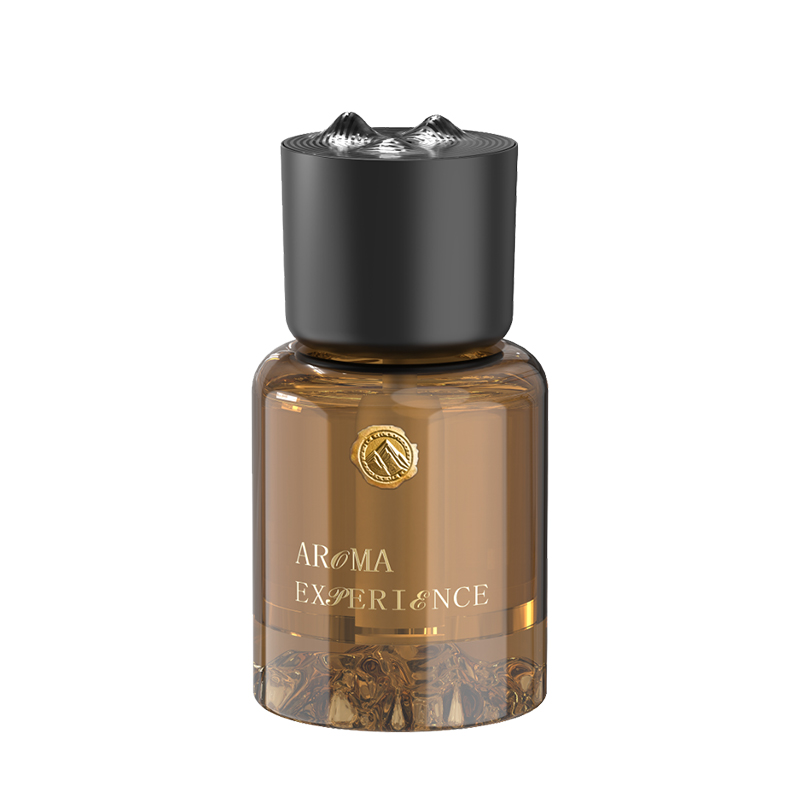
 lingwuImagine opening the car door and being greeted by a fresh and fragrant scent instead of yesterday's smoke, food, or pet odors. Our intelligent spray car fragrance transforms daily driving into a more comfortable sensory experience. The fashionable liquid fragrance bottle and delicate spray design can be evenly spread to all parts of the car, while setting off the elegant style of the cabin. Whether it's commuting, travel, fleet management, or retail display, this car fragrance can add exquisite embellishments. Its high-end appearance is also suitable for automotive parts stores, lifestyle retailers, promotional gifts, and private label projects.
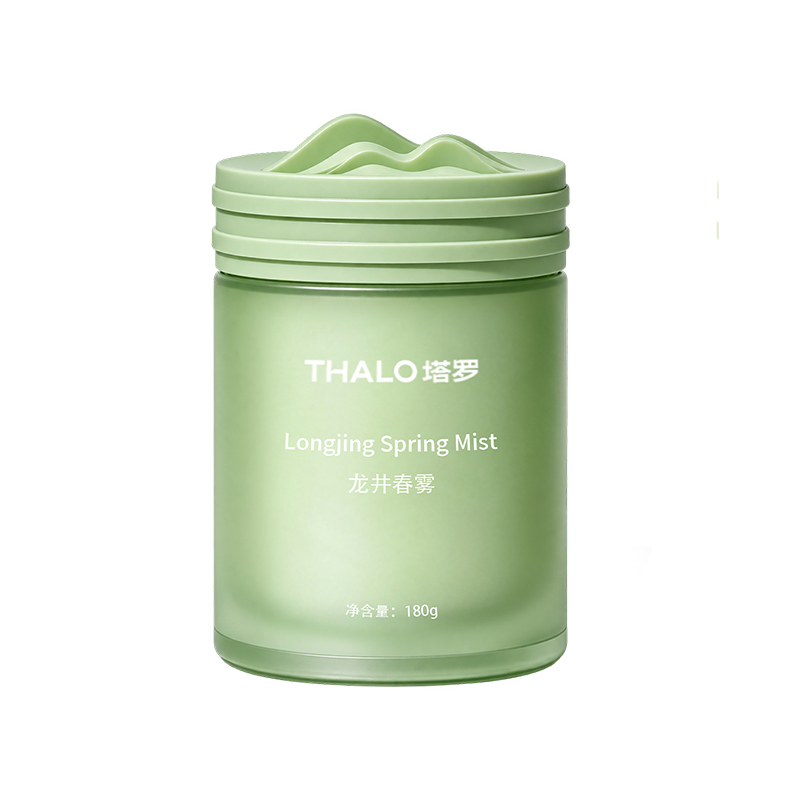
 QingyanLet every time you get on the car, start with a scent you like. THALO 180g car solid fragrance, integrated into the interior space with a simple and clean canned design, with five colors corresponding to different fragrance choices: pink, blue, yellow, black, and green. No need for complicated operations, placed on the dashboard or central armrest area, it can add a more comfortable atmosphere for daily commuting, long-distance travel, and in car rest. Choose your favorite fragrance to give the familiar cabin a more distinctive and exclusive atmosphere.
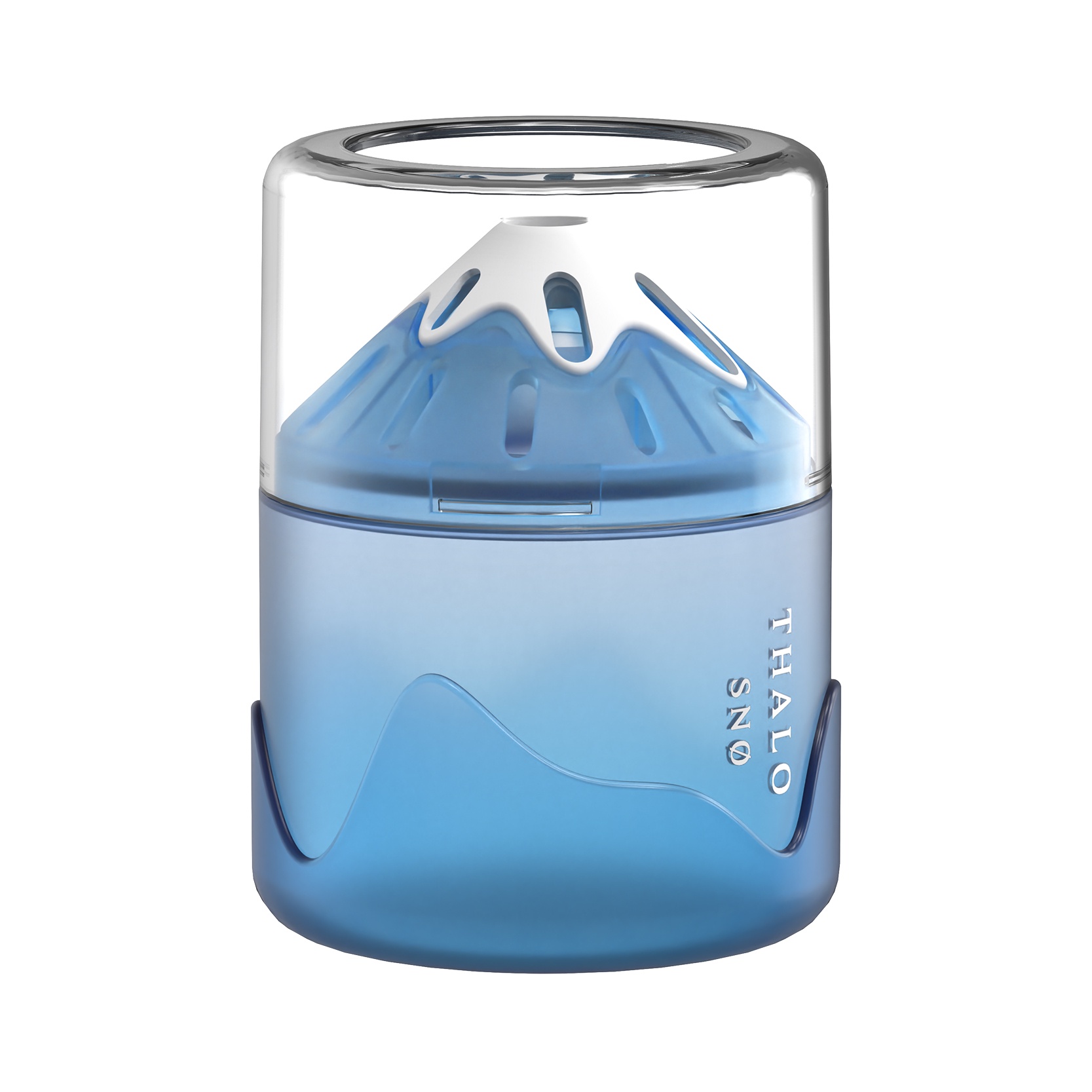
 KONGSHANDon't rush to leave as soon as you get on the car. Make a fresh atmosphere the first stop of every journey. The THALO mountain shaped car fragrance, with its unique mountain peak shape and transparent top cover, is placed in the dashboard or cup holder. It is not only an in car fragrance product, but also an exquisite decoration to enhance the cabin texture. To provide a more comfortable in car experience for daily commuting, weekend travel, and long-distance driving in response to odors and second-hand smoke. Blue, white, and gray colors are available for easy matching with different car interiors.
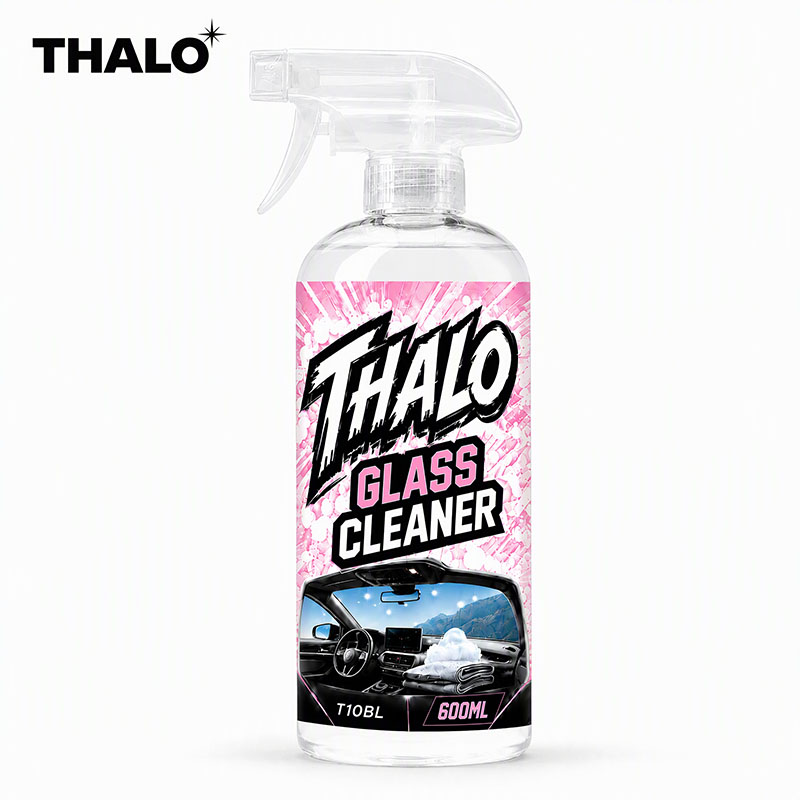
 Glass wiping solutionA clean view can change the feeling of every drive.
Dust, fingerprints and water marks can quickly build up on everyday car glass, making routine vehicle care feel like another chore. THALO Glass Cleaner Spray keeps the process simple: spray evenly, wipe with a cloth and refresh the look of your windshield, windows and mirrors.
The 600ml trigger bottle is easy to handle and fits naturally into a regular car-care routine at home, in the garage or before heading out. With its bold THALO design and practical spray format, it is a useful choice for drivers, detailing retailers and automotive-care collections.
Keep THALO nearby whenever your car glass needs a quick everyday refresh.
Can't find what you're looking for ?
Leave a Message we will call you back quickly!
Professional Service
Interested? Leave your contact details.
Search Starts Here

