


News
High-Heat Exposure Is Changing How Car air fragrance Safety Is Evaluated
In high-heat environments, Car air fragrance products face risks that go beyond scent performance.
Rising cabin temperatures can alter volatile behavior, weaken packaging integrity, and affect in-car air quality.
This shift matters across the daily chemical products sector, where safety, compliance, and user trust increasingly depend on heat stability.
For any Car air fragrance formula, extreme heat is no longer an edge case.
It is a mainstream test condition, especially in summer transport, closed parking, and long-distance vehicle use.
Heat Trends Inside Vehicles Are Becoming More Severe and More Relevant
Vehicle interiors can exceed ambient outdoor temperatures by a wide margin.
Dashboard zones, cup holders, and door pockets often become localized hot spots.
That means a Car air fragrance product may experience uneven heating, not just a single average temperature.
At the same time, buyers increasingly expect natural ingredients, lower irritation, and longer fragrance duration.
These demands create a tighter balance between pleasant aroma and thermal safety.
A product such as Jazz, designed for automotive use with natural plant extracts, reflects this market direction.
However, even safe and simple ingredients still require heat-focused validation.
Why the trend is accelerating
- Hotter summers and stronger solar exposure in many regions
- Longer logistics cycles that expose products to container heat
- Higher use of essential oils and plant-derived fragrance materials
- Growing consumer attention to cabin air quality and chemical sensitivity
- More scrutiny on labeling, migration, leakage, and flammability
The Main Safety Signals Behind Car air fragrance in High-Heat Conditions
The most important issue is volatility.
When temperature rises, evaporation accelerates and fragrance release can become excessive.
This may shorten product life and increase the concentration of airborne compounds inside the cabin.
A second concern is formula instability.
Some ingredients oxidize, discolor, separate, or generate unpleasant odor notes after prolonged heating.
A third concern is packaging failure.
Cap deformation, adhesive softening, cracked shells, and seepage are common high-heat risks.
Key risk factors to review
The Impact Reaches Formula Design, Packaging, Transport, and Brand Reliability
High-heat safety problems do not stay limited to product performance.
They can affect complaint rates, returns, platform reviews, and market access decisions.
For Car air fragrance items, a small leak may also damage vehicle interiors.
That creates secondary liability beyond the fragrance product itself.
In production, heat-sensitive formulations may require tighter raw material screening and more stable seal structures.
In logistics, summer storage and container monitoring become more important.
In retail, clear use instructions reduce misuse, such as placing products directly under strong sunlight.
Operational areas most affected
- Fragrance ingredient selection and compatibility review
- Packaging resin, venting, and sealing design
- Accelerated aging and thermal cycling tests
- Warehouse temperature control and transport planning
- Consumer guidance, warnings, and traceability records
What Deserves Immediate Attention in Car air fragrance Quality Control
The strongest response starts with testing priorities.
A Car air fragrance product should be evaluated under realistic summer cabin conditions, not only room temperature.
Thermal aging should be paired with odor consistency checks, leakage observation, and package deformation review.
It is also useful to monitor weight loss over time.
That gives a practical view of how fast fragrance components evaporate in heat.
Core control points
- Verify raw material heat tolerance and oxidation stability
- Assess VOC behavior under enclosed high-temperature conditions
- Test shell, cap, pad, and adhesive compatibility
- Simulate transport shock after heat exposure
- Confirm labels include storage and placement guidance
- Track complaint patterns by season and region
A More Resilient Response Combines Product Upgrading With Process Discipline
A practical strategy is to combine safer ingredients, stronger packaging, and better validation routines.
For example, compact automotive designs can reduce tipping and accidental pressure in tight spaces.
Products built with natural plant extracts and long-lasting performance should still be checked for controlled release in heat.
The 200g automotive fragrance format used by Jazz shows how space-saving design can support practical in-car placement.
Yet design convenience must always be matched by rigorous thermal safety evaluation.
Suggested response roadmap
The Next Step Is to Treat Car air fragrance Heat Safety as a Long-Term Standard
The daily chemical products industry is moving toward safer, cleaner, and more climate-resilient in-car fragrance solutions.
Car air fragrance safety in high-heat conditions should be treated as a permanent design requirement.
Review formulas against real vehicle temperatures.
Recheck packaging under heat stress.
Improve instructions for use, storage, and placement inside the car.
Companies with expanding production capacity and stronger development systems are better positioned to support this upgrade.
With operations built since 2015 and more than 160 employees in Linyi, Shandong, the business has steadily expanded from fragrance and care manufacturing to broader home washing and care capabilities.
That kind of manufacturing evolution supports more consistent safety control, product refinement, and heat-focused quality assurance for modern Car air fragrance applications.
Related Products
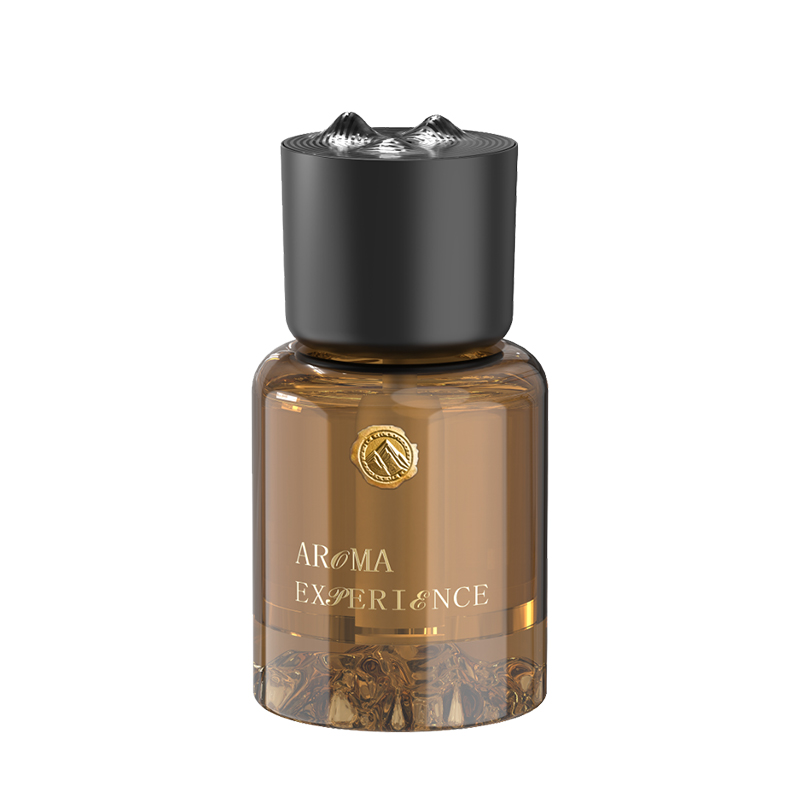
 lingwuImagine opening the car door and being greeted by a fresh and fragrant scent instead of yesterday's smoke, food, or pet odors. Our intelligent spray car fragrance transforms daily driving into a more comfortable sensory experience. The fashionable liquid fragrance bottle and delicate spray design can be evenly spread to all parts of the car, while setting off the elegant style of the cabin. Whether it's commuting, travel, fleet management, or retail display, this car fragrance can add exquisite embellishments. Its high-end appearance is also suitable for automotive parts stores, lifestyle retailers, promotional gifts, and private label projects.
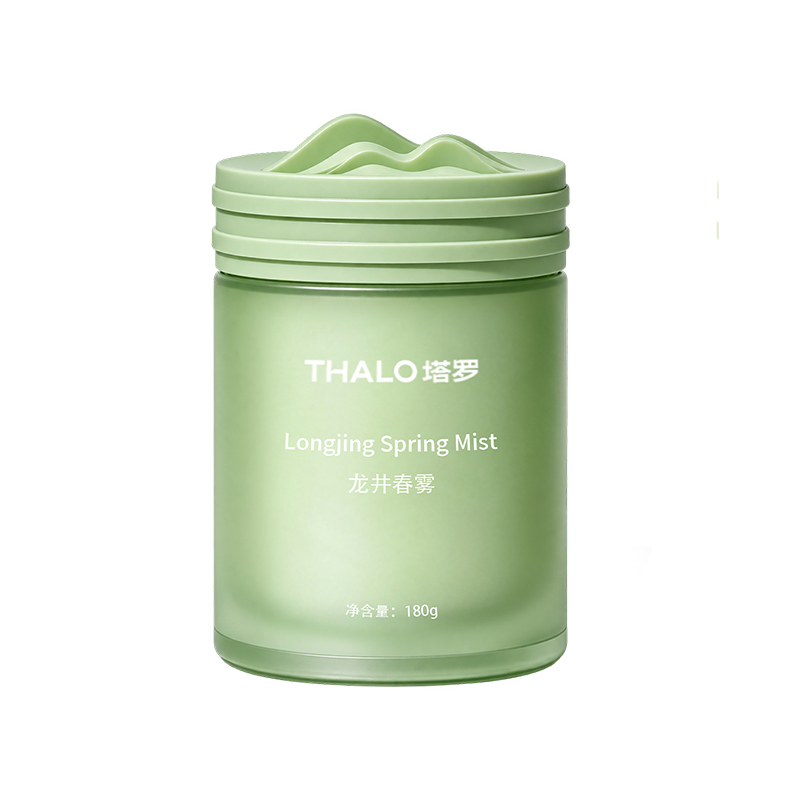
 QingyanLet every time you get on the car, start with a scent you like. THALO 180g car solid fragrance, integrated into the interior space with a simple and clean canned design, with five colors corresponding to different fragrance choices: pink, blue, yellow, black, and green. No need for complicated operations, placed on the dashboard or central armrest area, it can add a more comfortable atmosphere for daily commuting, long-distance travel, and in car rest. Choose your favorite fragrance to give the familiar cabin a more distinctive and exclusive atmosphere.
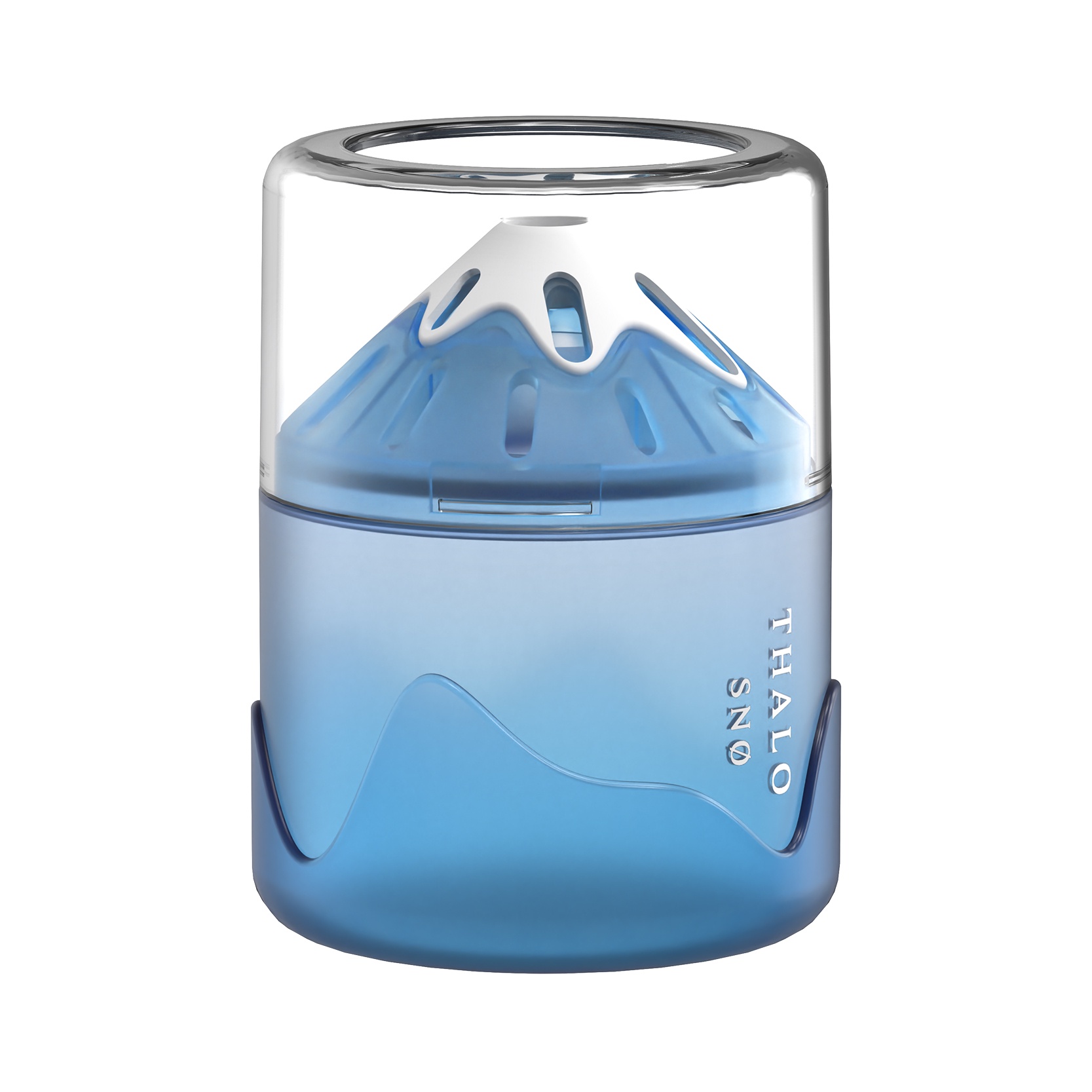
 KONGSHANDon't rush to leave as soon as you get on the car. Make a fresh atmosphere the first stop of every journey. The THALO mountain shaped car fragrance, with its unique mountain peak shape and transparent top cover, is placed in the dashboard or cup holder. It is not only an in car fragrance product, but also an exquisite decoration to enhance the cabin texture. To provide a more comfortable in car experience for daily commuting, weekend travel, and long-distance driving in response to odors and second-hand smoke. Blue, white, and gray colors are available for easy matching with different car interiors.
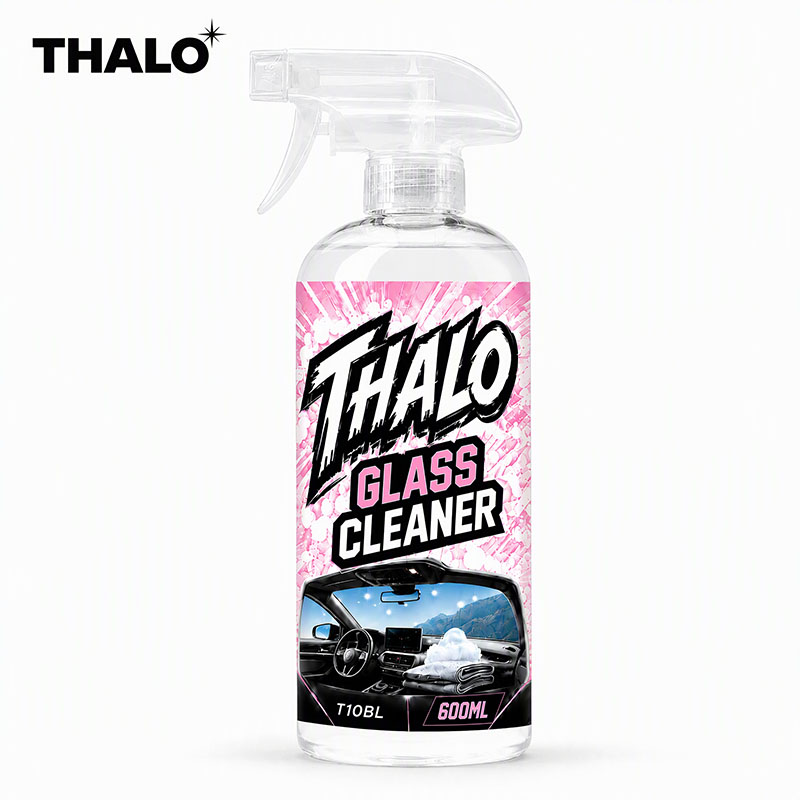
 Glass wiping solutionA clean view can change the feeling of every drive.
Dust, fingerprints and water marks can quickly build up on everyday car glass, making routine vehicle care feel like another chore. THALO Glass Cleaner Spray keeps the process simple: spray evenly, wipe with a cloth and refresh the look of your windshield, windows and mirrors.
The 600ml trigger bottle is easy to handle and fits naturally into a regular car-care routine at home, in the garage or before heading out. With its bold THALO design and practical spray format, it is a useful choice for drivers, detailing retailers and automotive-care collections.
Keep THALO nearby whenever your car glass needs a quick everyday refresh.
Can't find what you're looking for ?
Leave a Message we will call you back quickly!
Professional Service
Interested? Leave your contact details.
Search Starts Here

