


News
Why seasonal demand matters in Car air fragrance planning
Seasonal demand directly shapes product timing, scent selection, and stock strategy for Car air fragrance in the daily chemical products market.
Consumer expectations change with temperature, travel frequency, humidity, and holiday behavior. Planning without these signals often leads to slow turnover or missed sales windows.
A stronger seasonal strategy helps align fragrance development, packaging, promotional calendars, and replenishment cycles across different car use scenarios.
Industry experience also matters. Since 2015, the company has expanded from an early factory base to larger industrial park capacity, added business channels, and built two factories.
Located in Linyi, Shandong, with more than 160 employees, it supports flexible production for fragrance and home care lines as demand patterns shift during the year.
How to judge seasonal demand across car use scenarios
Car air fragrance demand is not only about season. It is also about where, how, and how often the vehicle is used.
Urban commuting, family travel, ride-sharing, and long-distance driving create different odor problems and replacement cycles.
The best planning method starts with scenario judgment. Then it connects scent profile, release performance, and inventory pace to each period.
Daily commuting in spring and summer
Warm weather raises demand for fresher, cleaner, and lighter scent families. Drivers often prefer products that reduce stale air and heat-related odor buildup.
In this scenario, Car air fragrance products need stable release and a non-overpowering presence during repeated short trips.
Family travel during holidays
Holiday peaks increase in-car eating, luggage loading, and passenger turnover. These habits create mixed odors and increase demand for longer-lasting fragrance performance.
Seasonal planning for this scene should include higher stock before major travel periods and stronger communication around freshness and comfort.
Autumn and winter enclosed-cabin use
Closed windows and heavier cabin use can intensify trapped odors. Buyers may shift toward warmer or more relaxing scent styles.
Car air fragrance planning for colder months should consider slower ventilation, stronger odor control expectations, and gift-oriented packaging opportunities.
Typical seasonal patterns that affect Car air fragrance decisions
Different seasons influence both sales rhythm and product preference. A planning model should combine demand timing with actual in-car conditions.
Which product features fit changing in-car scenarios
Seasonal demand works best when matched with practical product performance. Consumers value fragrance that feels consistent inside different cabin conditions.
One example is Vitality Aromatherapy, designed for car use with innovative solid-state slow-release technology.
Its 360 ° fragrance release supports more even scent dispersion. This helps maintain a stable in-car experience during both short commutes and extended travel.
It also focuses on actively decomposing odors inside the car while condensing natural fragrance into delicate fragrance cream.
For seasonal Car air fragrance planning, these features connect well with demand for freshness, comfort, and reliable release.
How demand differs by scenario, not just by month
A calendar alone is not enough. Car air fragrance demand also changes according to user behavior, route type, and cabin occupancy.
- High-frequency commuting needs lighter, steady fragrance and simple replacement cycles.
- Shared or service vehicles need stronger odor management and faster replenishment planning.
- Holiday travel needs longer-lasting Car air fragrance with broader scent acceptance.
- Cold-season use benefits from comforting scent styles and better enclosed-space performance.
This scenario-based view reduces overstock risk and supports more accurate launch timing.
Practical planning suggestions for seasonal Car air fragrance programs
A useful planning system combines demand forecasting, fragrance selection, and capacity coordination.
- Build quarterly scent plans based on climate, travel peaks, and sales history.
- Separate commuter SKUs from holiday or gift-focused Car air fragrance lines.
- Reserve flexible production slots for sudden summer and holiday demand spikes.
- Test scent intensity by season to avoid formulas that feel too weak or too heavy.
- Use channel feedback to refine pack size, pricing, and replacement frequency.
Factories with wider capacity and cross-category experience can support this process more efficiently across development and supply stages.
Common mistakes when reading seasonal Car air fragrance demand
One common mistake is assuming all summer demand prefers stronger fragrance. Many users actually want freshness without heaviness.
Another mistake is treating winter as a low-opportunity period. Enclosed cabins often create strong odor sensitivity and higher comfort demand.
Some plans also ignore lead time. If sourcing starts after demand becomes visible, the main selling window may already be shrinking.
A final oversight is failing to connect scent planning with actual use scenarios. That weakens product-market fit even when timing looks correct.
Next steps for better seasonal planning
Better Car air fragrance results come from reading seasonal behavior through real driving scenarios, not broad assumptions.
Review sales cycles, identify high-odor moments, and match them with suitable scent styles, release technology, and inventory timing.
With stronger production coordination and scenario-based planning, seasonal demand becomes a growth opportunity instead of a forecasting challenge.
Start with a focused product mix, validate by season, and refine each Car air fragrance program around actual car use conditions.
Related Products
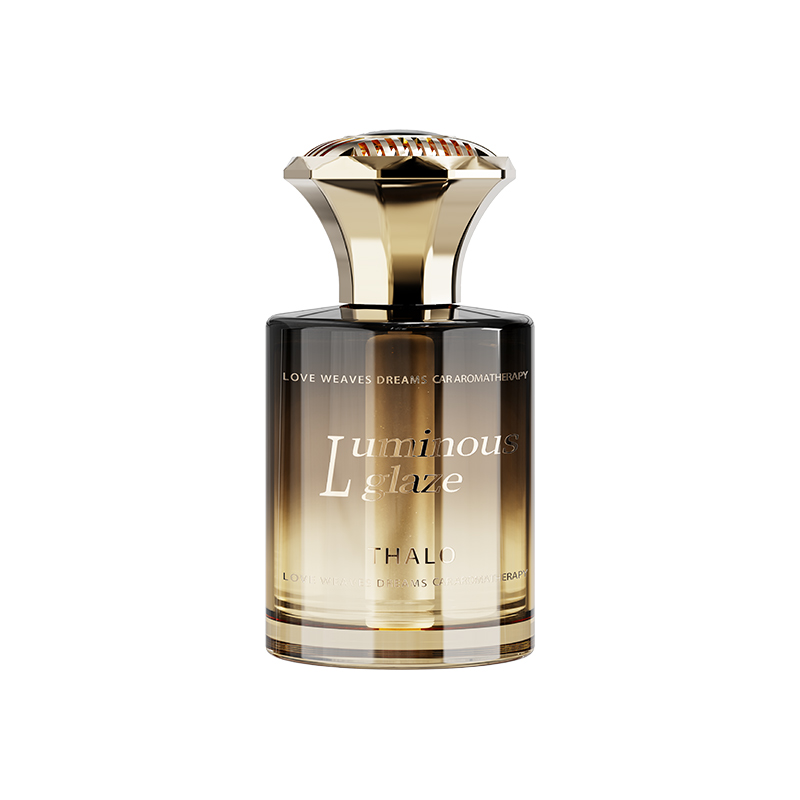
 Liu Guang YearsTurn Every Breath Into a Moment of Escape.
Leave the noise of everyday life behind and step into a world of rich, elegant fragrance. Thalo Liu Guang Years Fragrance Diffuser brings a luxurious scent experience to your car and personal space, transforming ordinary moments into relaxing rituals.
Crafted with premium imported fragrance oils, this flameless aromatherapy diffuser releases a refined and lasting aroma without fire or electricity. Inspired by the timeless beauty of agarwood and sophisticated Oriental fragrance, it creates a warm, elegant atmosphere wherever you go.
Place it in your car before a busy day, or enjoy its fragrance at home during your quiet moments. With a sophisticated bottle design and approximately 60 days of fragrance diffusion, it combines premium car fragrance, long-lasting scent and elegant decoration in one beautiful product.
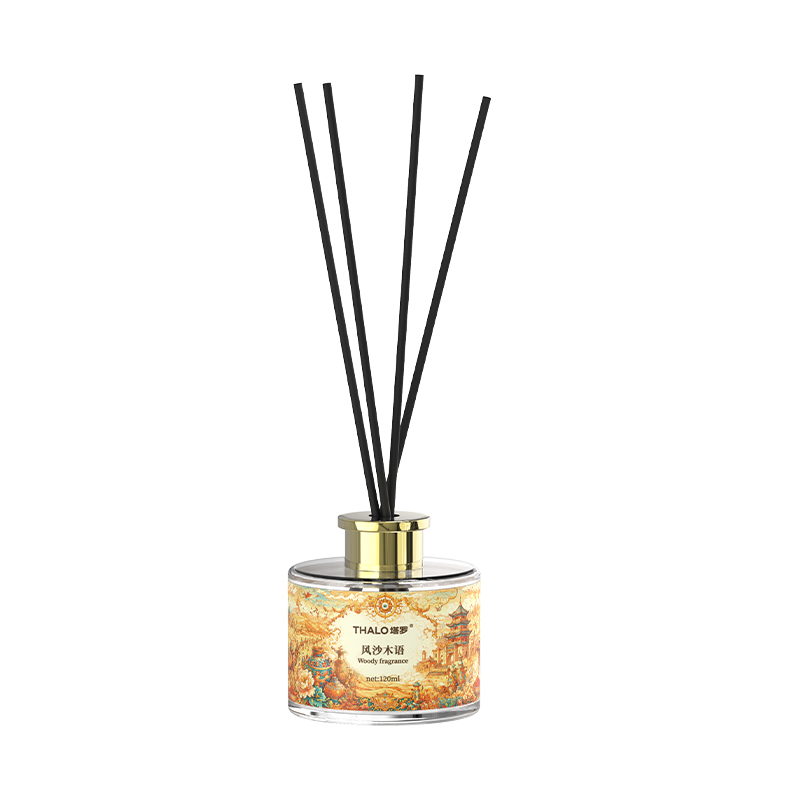
Thalo — fragrance that makes every moment feel extraordinary. Silk Road Flower LanguageA Fragrance Journey Along the Silk Road
Step into a world where ancient Silk Road culture meets modern home fragrance. Thalo Silk Road Reed Diffuser transforms your space with an elegant Oriental-inspired aroma, bringing warmth, sophistication and a sense of discovery to everyday moments.
Designed as a flameless home fragrance, it continuously releases fragrance through natural diffuser reeds, creating a calm and inviting atmosphere without fire or electricity. The artistic bottle and premium gift box make it a beautiful addition to bedrooms, entryways, living rooms, boutiques and hotels.
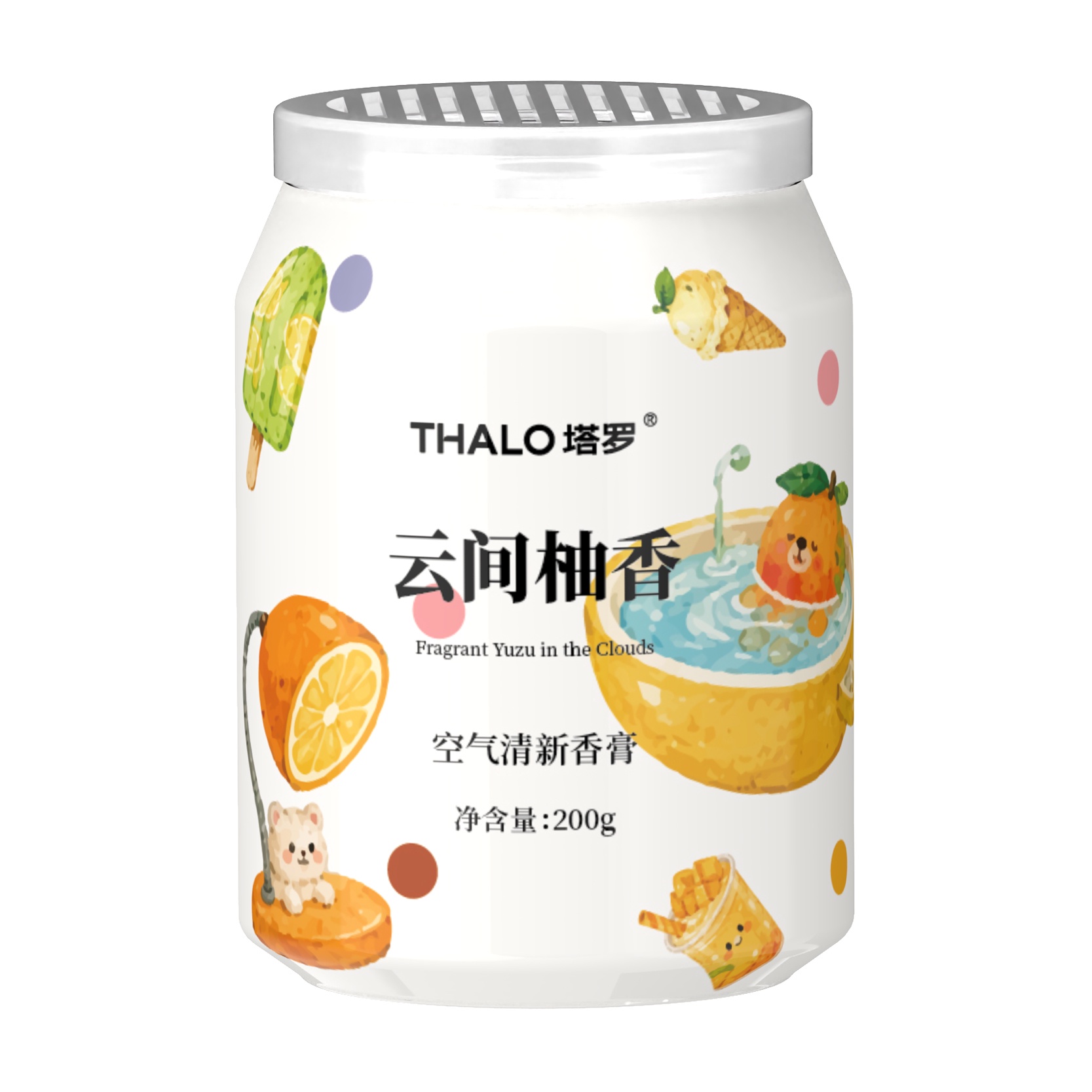
Let every breath become a journey through fragrance. GuoyangYour Car Deserves Better Than That "New Car Smell"
Ever step into your car and wish it smelled like a sunlit orchard instead of stale air.Meet THALO's Fruit Scent Collection — a solid car air freshener that turns every drive into a mini fruit paradise. No sprays, no plugs, no mess. Just unscrew the ventilated lid, and let the 200g fragrance gel slowly release pure, juicy aroma for weeks.
Pick your mood: White Peach in the Snow (soft, creamy, dreamy), Fragrant Yuzu in the Clouds (bright citrus that wakes you up), or Laurel Apple (warm apple-cinnamon comfort). Each jar is hand-illustrated with adorable fruit art that looks as good as it smells — a dopamine hit for your cup holder.
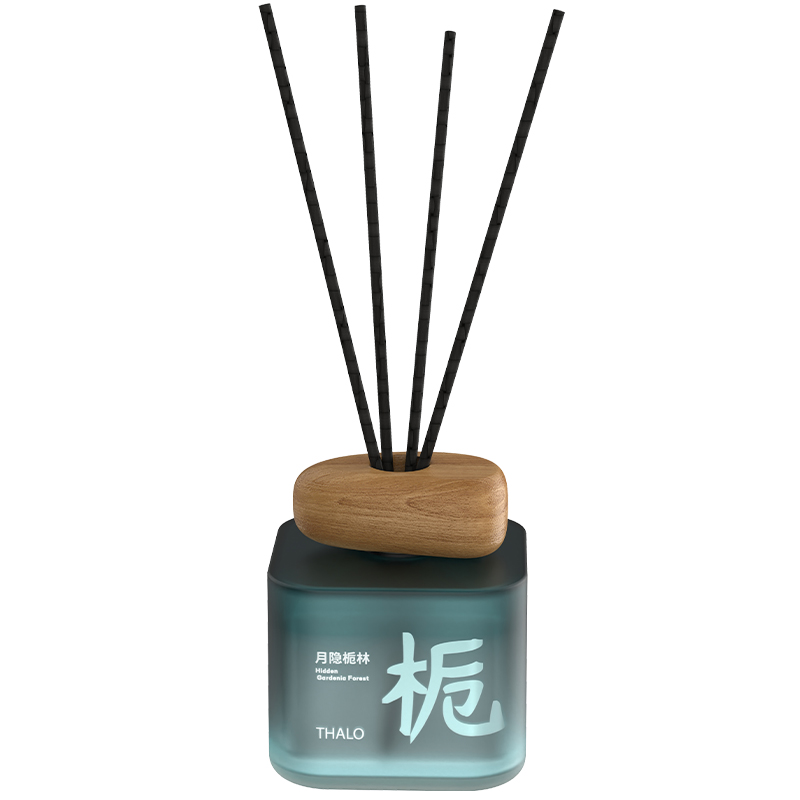
Safe for daily commutes, family trips, and long drives. Plant-based formula, IFRA-certified, crafted with Firmenich perfumers. Fresh air, one twist away. ZHICHUNLet Nature Fill Your Space With Fragrance,Turn an ordinary room into a peaceful fragrance retreat. Thalo “Spring Awakening” Reed Diffuser brings the beauty of Oriental-inspired scents into everyday life, creating a warm and elegant atmosphere without flame, smoke or electricity.
Inspired by nature, the 180ml Home Fragrance Collection features three distinctive scents: Moonlit Gardenia Forest, Wumu Gradually Becomes Spring, and Green Tea Reflection Spring. Each fragrance unfolds gently through high-density reed sticks, filling your space with a continuous and refined aroma.
The frosted glass bottle, wood-inspired cap and minimalist design add a sophisticated decorative touch to any interior. Perfect for bedrooms, living rooms, bathrooms, offices, boutiques and hotels, this Natural Reed Diffuser creates a relaxing fragrance experience while helping refresh indoor air.
Bring a touch of spring, nature and tranquility into every moment with Thalo.
Can't find what you're looking for ?
Leave a Message we will call you back quickly!
Professional Service
Interested? Leave your contact details.
Search Starts Here

