


News
Evaluating Pipe Cleaning Agent residue and safety is essential for quality control and workplace risk management. A careful review confirms cleaning efficiency, reduces harmful carryover, and supports safer daily use.
In the household and care chemicals industry, a Pipe Cleaning Agent must work fast without leaving risky deposits. Good evaluation combines residue testing, safety checks, and scenario-based judgment.
Built on years of factory expansion since 2015, with operations in Linyi, Shandong and more than 160 employees, production experience matters when judging formula stability and safety consistency.
Why Pipe Cleaning Agent Evaluation Changes by Cleaning Scenario
Not every cleaning environment has the same risk. Household drains, workshop lines, and sanitation areas require different residue limits and handling standards.
A Pipe Cleaning Agent used in a bathroom drain may tolerate stronger odor. The same formula in a sensitive maintenance area may need lower volatility and milder post-cleaning residue.
This is why evaluation should begin with the use scenario. The correct test method depends on material contact, rinse conditions, ventilation, and frequency of use.
Scenario 1: Household Drain Cleaning Needs Low Residue and Clear Rinse Performance
In home applications, visible cleaning is not enough. The Pipe Cleaning Agent should dissolve grease, hair, and organic buildup without leaving sticky film or strong chemical smell.
Key judgment points include rinse clarity, foam persistence, odor after treatment, and whether surfaces around the drain show splash marks or discoloration.
Practical checkpoints for home-use assessment
- Check whether rinse water turns clear within a defined flushing time.
- Inspect for white deposits, oily film, or slippery residue.
- Observe odor level after 10 to 30 minutes of ventilation.
- Review label instructions for skin, eye, and inhalation precautions.
For adjacent hygiene spaces, residue awareness also supports better care routines. Some brands extend natural cleaning ideas into pet areas, such as Cat litter box cleaner.
Scenario 2: Industrial or Facility Pipelines Require Stronger Safety Verification
Facility pipelines often contain heavier scale, detergent carryover, or mixed waste. Here, Pipe Cleaning Agent evaluation must go beyond simple cleaning appearance.
The main concern is whether the formula causes corrosion, reacts with residues, or releases unsafe fumes during application and rinse stages.
Core industrial safety indicators
- pH range before dilution and after use
- Compatibility with PVC, metal, and rubber seals
- Residue conductivity after final rinse
- Foam control in enclosed drainage systems
- Storage stability and packaging resistance
A Pipe Cleaning Agent for this scenario should also have a complete safety data review. Labels must clearly state dilution, contact time, emergency response, and storage conditions.
Scenario 3: Sensitive Hygiene Areas Need Balanced Cleaning and Mild Chemical Profile
In areas with frequent human contact, strong cleaning alone is not enough. A Pipe Cleaning Agent should remove buildup while limiting harsh odor, splash risk, and post-use irritation concerns.
This applies to shared washrooms, care spaces, and support zones where repeated use increases exposure. Lower residue and easier rinsing become more important than maximum aggressiveness.
Natural cleaning concepts are also gaining interest in nearby odor-control applications. An example is a tea-based Cat litter box cleaner designed for cleaning, deodorization, and disinfection.
How to Compare Pipe Cleaning Agent Needs Across Different Scenarios
Recommended Testing Methods for Pipe Cleaning Agent Residue and Safety
A reliable Pipe Cleaning Agent review should combine visual checks with measurable data. This reduces guesswork and improves repeatability across batches.
Useful residue tests
- Visual residue inspection after standard rinse cycles.
- Gravimetric testing to measure remaining solids.
- Conductivity testing on final rinse water.
- Surface wipe testing for sticky or oily traces.
Useful safety checks
- pH measurement at use concentration.
- Material compatibility testing on common pipe materials.
- Odor and vapor review under real ventilation conditions.
- Label and SDS consistency verification.
Best-Fit Recommendations by Scenario
- Use low-residue formulas where rinse volume is limited.
- Select lower-odor Pipe Cleaning Agent options for occupied spaces.
- Prioritize corrosion testing for metal or mixed-material systems.
- Standardize contact time to avoid overexposure and leftover chemical action.
- Keep batch records for performance and complaint tracking.
Common Misjudgments When Reviewing Pipe Cleaning Agent Performance
One common mistake is judging a Pipe Cleaning Agent only by unclogging speed. Fast action does not always mean safe residue levels.
Another mistake is skipping material compatibility checks. Some formulas clean well but shorten pipe or seal life over time.
It is also risky to ignore user handling conditions. A good laboratory result may fail in a poorly ventilated or under-rinsed environment.
Next Steps for a More Reliable Pipe Cleaning Agent Evaluation Process
Start with the real application scenario, then define residue limits, rinse standards, and safety checkpoints. Use the same protocol each time for meaningful comparison.
When evaluating any Pipe Cleaning Agent, combine cleaning performance, residue evidence, and exposure risk. This approach supports safer products and more dependable daily results.
Related Products
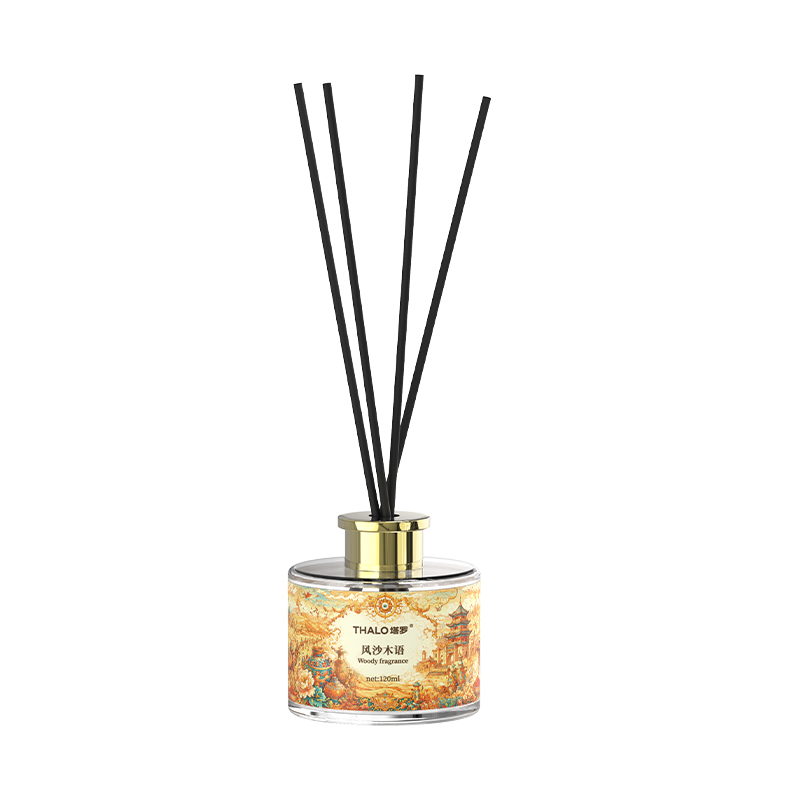
 Silk Road Flower LanguageA Fragrance Journey Along the Silk Road
Step into a world where ancient Silk Road culture meets modern home fragrance. Thalo Silk Road Reed Diffuser transforms your space with an elegant Oriental-inspired aroma, bringing warmth, sophistication and a sense of discovery to everyday moments.
Designed as a flameless home fragrance, it continuously releases fragrance through natural diffuser reeds, creating a calm and inviting atmosphere without fire or electricity. The artistic bottle and premium gift box make it a beautiful addition to bedrooms, entryways, living rooms, boutiques and hotels.
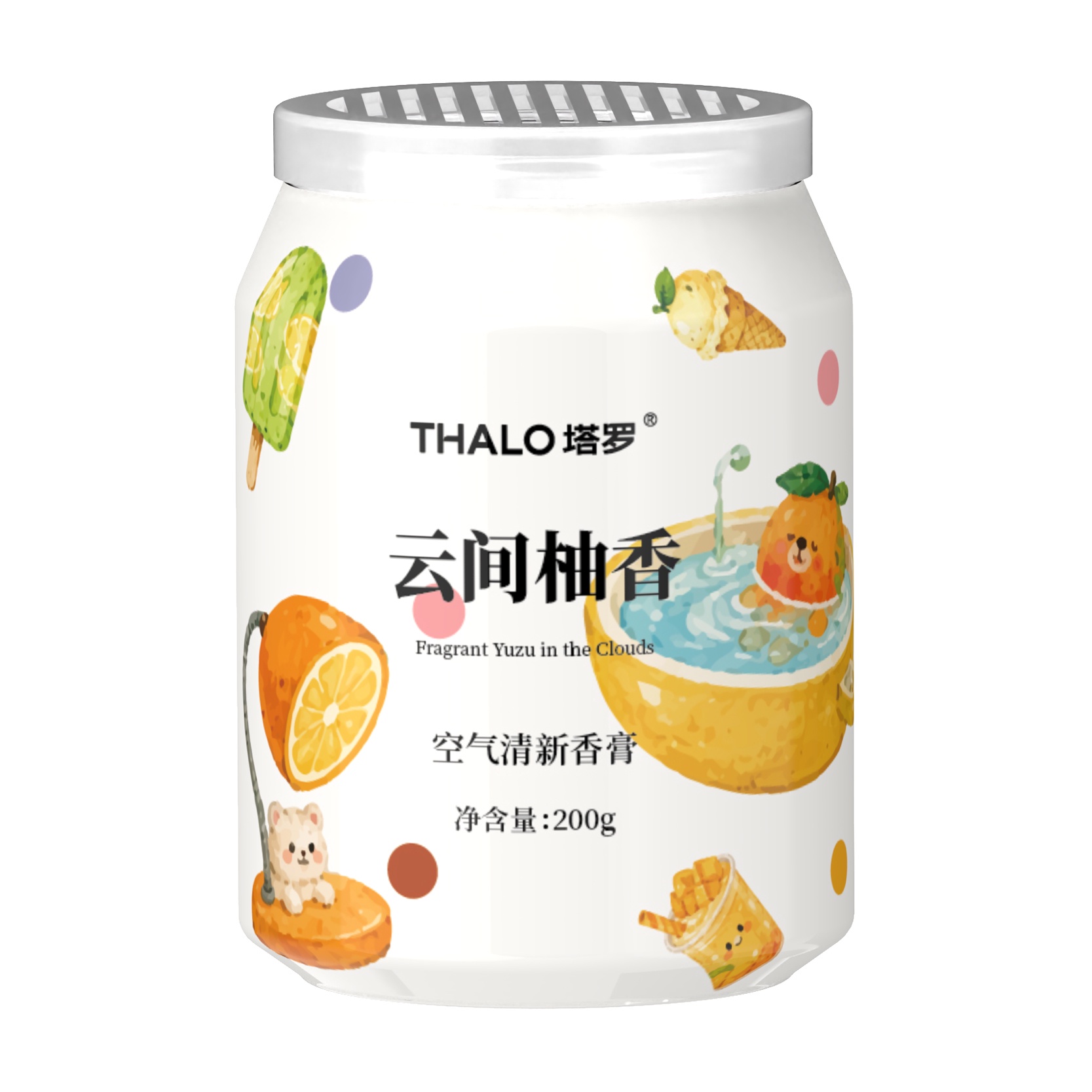
Let every breath become a journey through fragrance. GuoyangYour Car Deserves Better Than That "New Car Smell"
Ever step into your car and wish it smelled like a sunlit orchard instead of stale air.Meet THALO's Fruit Scent Collection — a solid car air freshener that turns every drive into a mini fruit paradise. No sprays, no plugs, no mess. Just unscrew the ventilated lid, and let the 200g fragrance gel slowly release pure, juicy aroma for weeks.
Pick your mood: White Peach in the Snow (soft, creamy, dreamy), Fragrant Yuzu in the Clouds (bright citrus that wakes you up), or Laurel Apple (warm apple-cinnamon comfort). Each jar is hand-illustrated with adorable fruit art that looks as good as it smells — a dopamine hit for your cup holder.
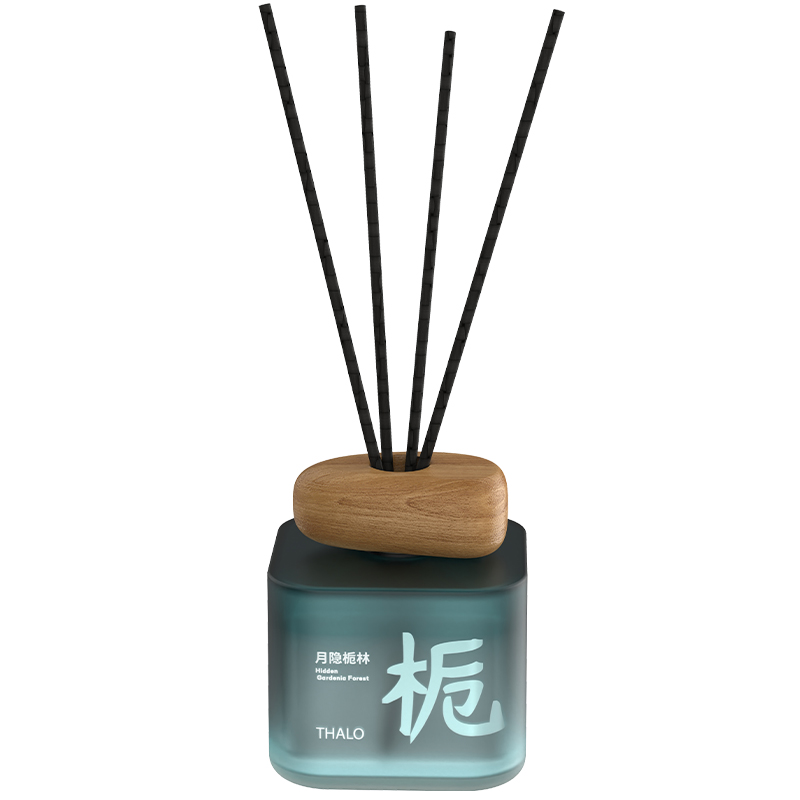
Safe for daily commutes, family trips, and long drives. Plant-based formula, IFRA-certified, crafted with Firmenich perfumers. Fresh air, one twist away. ZHICHUNLet Nature Fill Your Space With Fragrance,Turn an ordinary room into a peaceful fragrance retreat. Thalo “Spring Awakening” Reed Diffuser brings the beauty of Oriental-inspired scents into everyday life, creating a warm and elegant atmosphere without flame, smoke or electricity.
Inspired by nature, the 180ml Home Fragrance Collection features three distinctive scents: Moonlit Gardenia Forest, Wumu Gradually Becomes Spring, and Green Tea Reflection Spring. Each fragrance unfolds gently through high-density reed sticks, filling your space with a continuous and refined aroma.
The frosted glass bottle, wood-inspired cap and minimalist design add a sophisticated decorative touch to any interior. Perfect for bedrooms, living rooms, bathrooms, offices, boutiques and hotels, this Natural Reed Diffuser creates a relaxing fragrance experience while helping refresh indoor air.
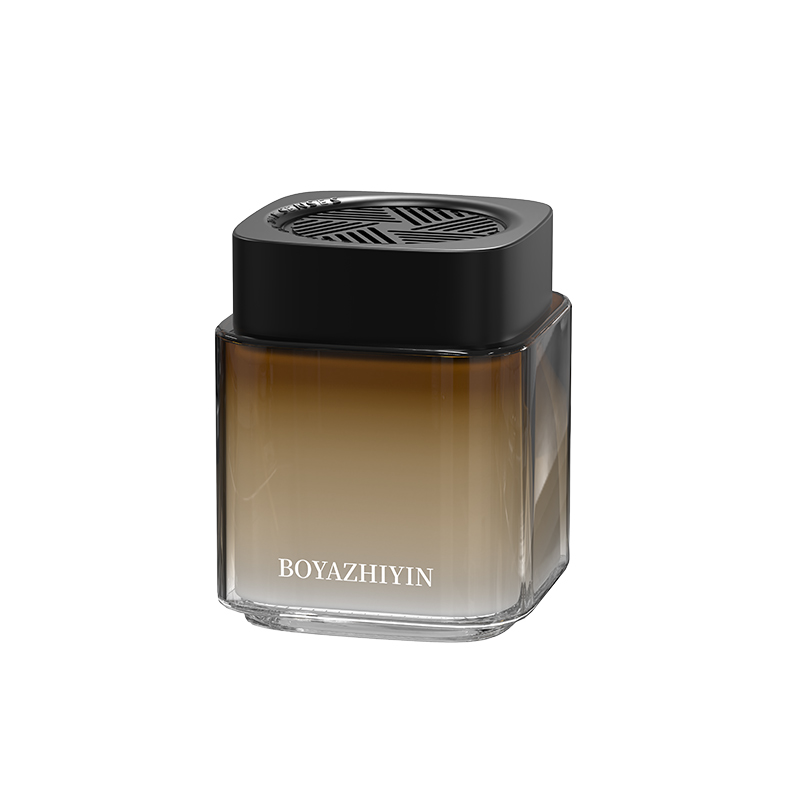
Bring a touch of spring, nature and tranquility into every moment with Thalo. XiaoxiangyuTitle: The Car Air Freshener That Keeps Every Mile Fresh
Every drive deserves a fresh, calming atmosphere. The BOYAZHIYIN car air freshener turns your car into a private sanctuary of natural scent. Crafted specifically for small spaces, this long lasting car air freshener delivers pure botanical fragrance without the dizzying intensity of ordinary car perfumes. Our solid gel formula releases scent steadily for weeks, keeping your cabin inviting from the first mile to the last. Each glass jar is built to impress, with a crystal-clear body and a striped diffusion lid that spreads fragrance evenly through every corner. Choose from four refined scents: Oud Rose, Wild Cologne, Dew Gardenia, or High Mountain White Tea. Made with plant essential oils, it is a natural car air freshener you can trust every single day. Breathe easier, drive happier, and enjoy a car that always smells as good as it looks.
Can't find what you're looking for ?
Leave a Message we will call you back quickly!
Professional Service
Interested? Leave your contact details.
Search Starts Here

