


News
For quality control and safety managers, daily indoor use of home fragrance raises important questions about ingredient compliance, air quality, packaging safety, and user exposure. This guide explores the key risks, testing priorities, and manufacturing considerations behind safer home fragrance products, drawing on practical industry experience to help teams improve product quality, reduce safety concerns, and support reliable market performance.
What makes home fragrance safety a daily indoor concern?
Home fragrance products release volatile compounds into enclosed spaces. That makes daily exposure different from occasional use or open-air applications.
The main concern is not only scent intensity. It also involves ingredient selection, dosage, ventilation conditions, and product format.
Common formats include reed diffusers, sprays, gels, scented cleaners, and fragranced laundry-care products. Each creates a different exposure profile indoors.
A safe home fragrance program considers inhalation, skin contact, accidental misuse, and storage stability at the same time.
In daily chemical products, small formulation changes can alter evaporation rate, allergen disclosure, and packaging compatibility.
Why indoor conditions matter
- Limited ventilation can increase concentration over time.
- Heat and sunlight may accelerate fragrance release.
- Children and pets may contact spilled liquids or treated surfaces.
- Repeated use may create cumulative odor or irritation issues.
Which ingredients in home fragrance deserve the closest review?
Ingredient review should start with fragrance oils, solvents, preservatives, dyes, and any functional additives used to control diffusion or appearance.
Potentially sensitive points include allergens, restricted substances, VOC contribution, and impurities introduced through raw materials.
A compliant home fragrance formula should match destination market rules, labeling standards, and transport requirements.
It is also useful to confirm flash point, oxidation stability, and reactivity with packaging components.
Priority checks for ingredient control
- Verify supplier documentation and batch consistency.
- Screen known fragrance allergens and restricted compounds.
- Review solvent purity and residual impurity limits.
- Assess compatibility with packaging seals, caps, and reeds.
- Confirm claims are supported by test data.
Some companies also compare fragrance risk methods with adjacent cleaning categories. For example, Color bleach emphasizes directed enzymatic action and fabric protection, showing how safer daily-use design starts with functional ingredient discipline.
How should air quality and user exposure be evaluated for home fragrance?
Air quality evaluation should reflect realistic use, not only laboratory extremes. Daily indoor exposure depends on room size, duration, and frequency.
For home fragrance, a strong scent is not proof of unsafe exposure. But high-release systems need closer measurement and clearer instructions.
Testing may include VOC monitoring, chamber studies, sensory evaluation, and irritation screening based on intended use.
Useful exposure questions
- How many hours per day is the product active?
- Is the product used in bedrooms, bathrooms, or cars?
- Does the formula build up in poorly ventilated spaces?
- Are use instructions enough to limit overapplication?
Application context matters. A home fragrance spray for quick odor refresh behaves differently from a passive diffuser used continuously.
Products for car and household cleansing may overlap in fragrance expectations. Yet enclosed vehicles often require more conservative release control.
What packaging and labeling risks are often overlooked?
Packaging safety is a major part of home fragrance quality. Leakage, breakage, evaporation loss, and material stress can create direct hazards.
Glass bottles look premium, but impact resistance and closure integrity must be verified. Plastic parts may swell or crack under fragrance oil exposure.
Labels should clearly state use method, warnings, storage advice, and first-aid basics where required.
For home fragrance products, unclear dosage instructions often lead to overuse, customer complaints, and avoidable indoor discomfort.
Packaging review checklist
How can manufacturing reduce home fragrance safety complaints?
Manufacturing control is where many hidden risks are prevented. Good fragrance safety depends on raw material control, mixing accuracy, and filling consistency.
A growing daily chemical company often improves reliability by standardizing incoming inspection, traceability, and retention sample management.
Since 2015, the business expanded from an early factory footprint to industrial park operations and multiple product departments.
With operations in Linyi, Shandong and more than 160 employees, experience across washing, care, and household products supports broader quality control understanding.
That matters for home fragrance because scale increases the need for stable SOPs, controlled change management, and complaint-based product improvement.
Common factory-side prevention steps
- Use approved supplier lists and periodic audits.
- Set fragrance addition tolerances and mixing records.
- Run stability tests under heat, light, and storage stress.
- Check filling accuracy and closure torque by batch.
- Track complaints by odor intensity, leakage, and irritation reports.
What are the most common misconceptions about home fragrance safety?
One misconception is that natural ingredients are automatically safer. Natural oils can still contain allergens or oxidize during storage.
Another mistake is assuming lower price means lower risk because scent is weaker. Weak fragrance can still have labeling or solvent issues.
Some also believe packaging only affects appearance. In reality, packaging failure is one of the fastest ways to turn a compliant product into a safety complaint.
A final misconception is that cross-category knowledge does not help. Lessons from stain care, fabric protection, and controlled cleaning chemistry often improve daily-use safety thinking.
Quick FAQ summary table
Home fragrance safety is a balance of scent performance, compliance, packaging reliability, and practical indoor exposure control.
Better results come from reviewing ingredients early, testing under real use conditions, and tightening manufacturing details before complaints appear.
For the next step, compare current home fragrance products against a simple checklist covering formula risk, labeling clarity, package compatibility, and exposure realism.
That approach improves product confidence, supports safer daily indoor use, and strengthens long-term market performance in the daily chemical sector.
Related Products
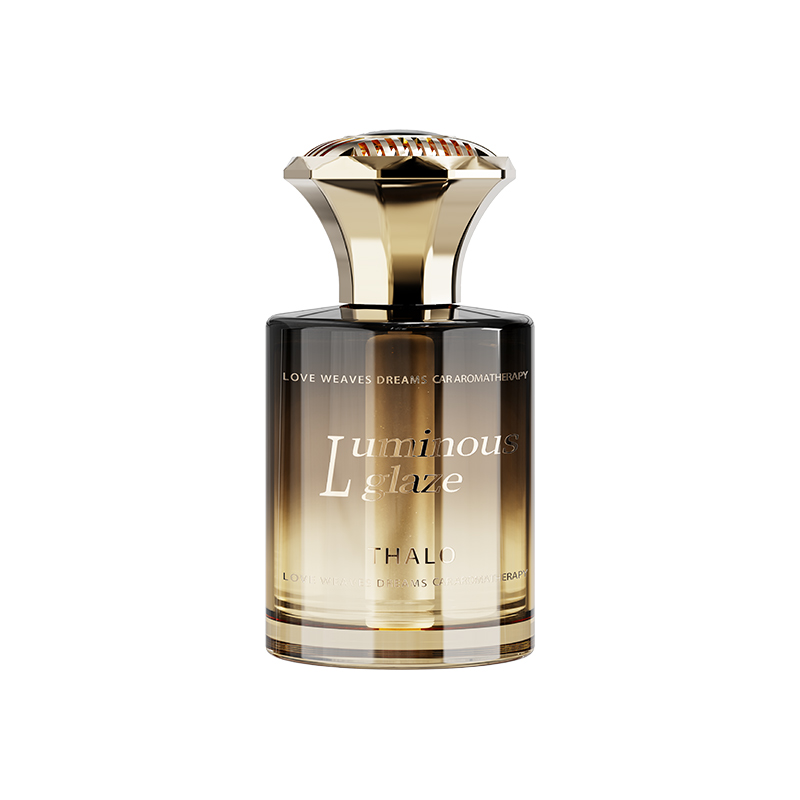
 Liu Guang YearsTurn Every Breath Into a Moment of Escape.
Leave the noise of everyday life behind and step into a world of rich, elegant fragrance. Thalo Liu Guang Years Fragrance Diffuser brings a luxurious scent experience to your car and personal space, transforming ordinary moments into relaxing rituals.
Crafted with premium imported fragrance oils, this flameless aromatherapy diffuser releases a refined and lasting aroma without fire or electricity. Inspired by the timeless beauty of agarwood and sophisticated Oriental fragrance, it creates a warm, elegant atmosphere wherever you go.
Place it in your car before a busy day, or enjoy its fragrance at home during your quiet moments. With a sophisticated bottle design and approximately 60 days of fragrance diffusion, it combines premium car fragrance, long-lasting scent and elegant decoration in one beautiful product.
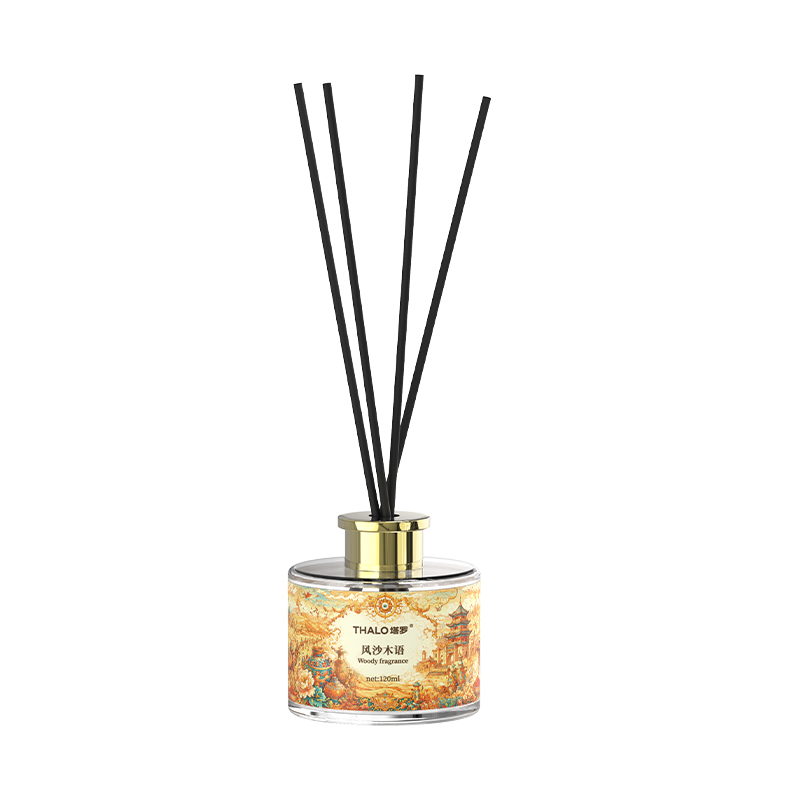
Thalo — fragrance that makes every moment feel extraordinary. Silk Road Flower LanguageA Fragrance Journey Along the Silk Road
Step into a world where ancient Silk Road culture meets modern home fragrance. Thalo Silk Road Reed Diffuser transforms your space with an elegant Oriental-inspired aroma, bringing warmth, sophistication and a sense of discovery to everyday moments.
Designed as a flameless home fragrance, it continuously releases fragrance through natural diffuser reeds, creating a calm and inviting atmosphere without fire or electricity. The artistic bottle and premium gift box make it a beautiful addition to bedrooms, entryways, living rooms, boutiques and hotels.
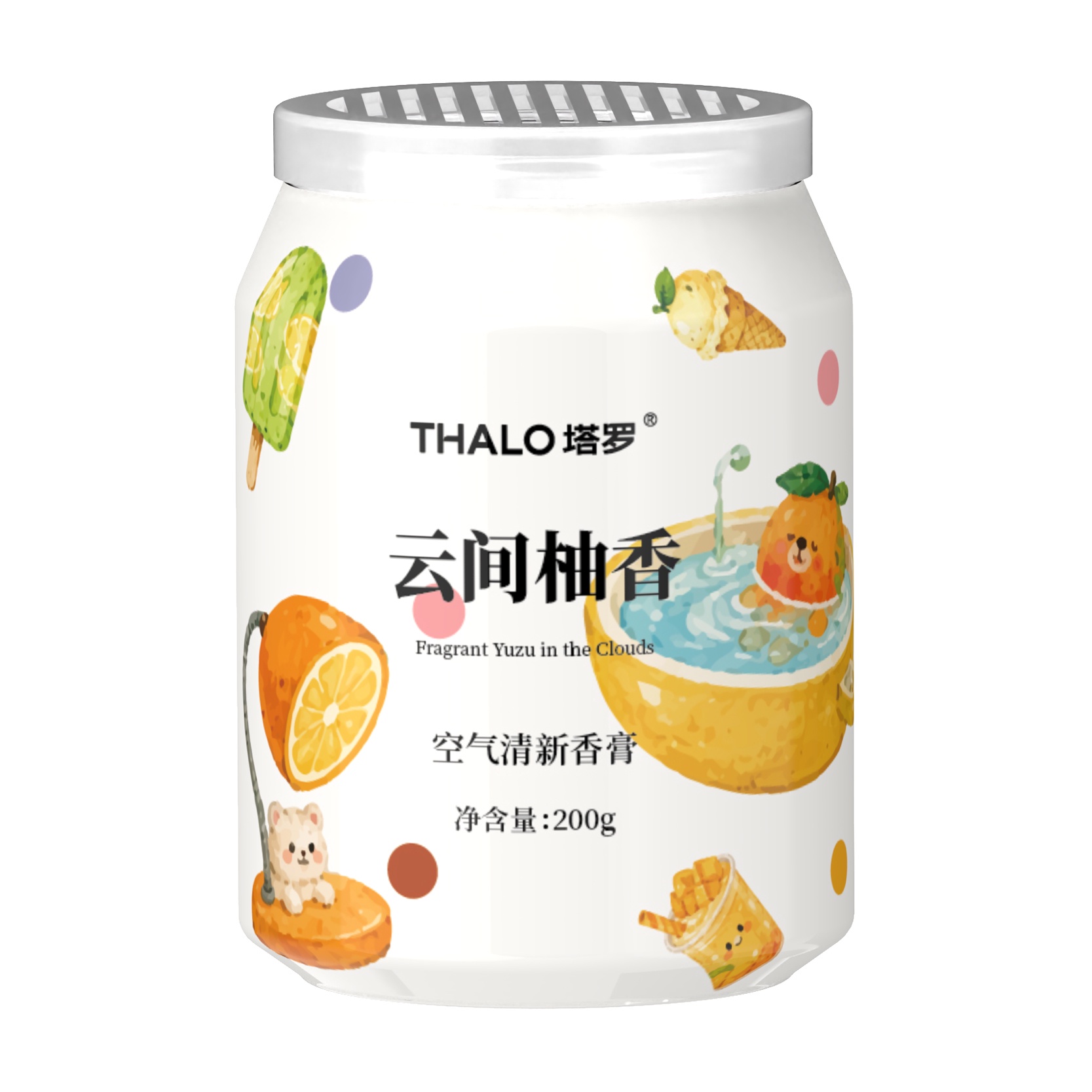
Let every breath become a journey through fragrance. GuoyangYour Car Deserves Better Than That "New Car Smell"
Ever step into your car and wish it smelled like a sunlit orchard instead of stale air.Meet THALO's Fruit Scent Collection — a solid car air freshener that turns every drive into a mini fruit paradise. No sprays, no plugs, no mess. Just unscrew the ventilated lid, and let the 200g fragrance gel slowly release pure, juicy aroma for weeks.
Pick your mood: White Peach in the Snow (soft, creamy, dreamy), Fragrant Yuzu in the Clouds (bright citrus that wakes you up), or Laurel Apple (warm apple-cinnamon comfort). Each jar is hand-illustrated with adorable fruit art that looks as good as it smells — a dopamine hit for your cup holder.
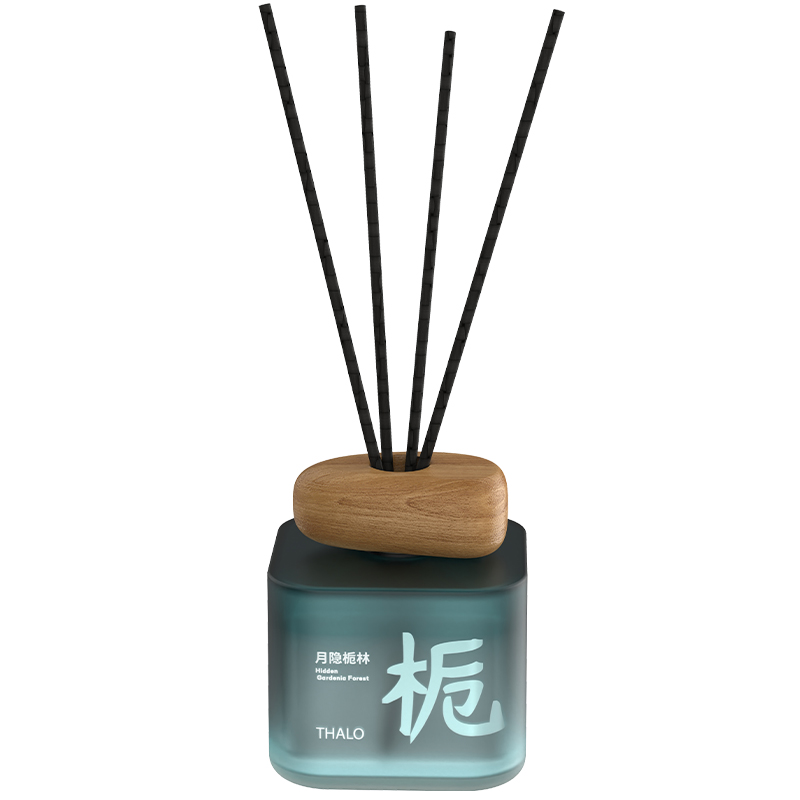
Safe for daily commutes, family trips, and long drives. Plant-based formula, IFRA-certified, crafted with Firmenich perfumers. Fresh air, one twist away. ZHICHUNLet Nature Fill Your Space With Fragrance,Turn an ordinary room into a peaceful fragrance retreat. Thalo “Spring Awakening” Reed Diffuser brings the beauty of Oriental-inspired scents into everyday life, creating a warm and elegant atmosphere without flame, smoke or electricity.
Inspired by nature, the 180ml Home Fragrance Collection features three distinctive scents: Moonlit Gardenia Forest, Wumu Gradually Becomes Spring, and Green Tea Reflection Spring. Each fragrance unfolds gently through high-density reed sticks, filling your space with a continuous and refined aroma.
The frosted glass bottle, wood-inspired cap and minimalist design add a sophisticated decorative touch to any interior. Perfect for bedrooms, living rooms, bathrooms, offices, boutiques and hotels, this Natural Reed Diffuser creates a relaxing fragrance experience while helping refresh indoor air.
Bring a touch of spring, nature and tranquility into every moment with Thalo.
Can't find what you're looking for ?
Leave a Message we will call you back quickly!
Professional Service
Interested? Leave your contact details.
Search Starts Here

