


When shelf space for Pet Deodorizer starts to make financial sense
A Pet Deodorizer becomes worth stocking when it does more than remove odor. It needs to move steadily, invite repeat purchase, and look convincing on the shelf.
In daily chemical retail, odor control sits close to routine cleaning. That matters because repeat use is usually tied to household habit, not one-time curiosity.
The strongest Pet Deodorizer lines usually serve homes with ongoing pet contact, fabric exposure, litter areas, and shared living spaces. Those conditions create recurring demand.
Commercially, the question is simple. Can this SKU hold margin, earn a second purchase, and justify its facing against faster household care categories?
Actual usage conditions shape demand more than product claims
Not every odor problem behaves the same way. A Pet Deodorizer used near litter boxes faces different expectations than one used on sofas, curtains, or pet bedding.
Some households want instant odor suppression before guests arrive. Others care more about daily freshness, mild fragrance, and compatibility with children, fabrics, or enclosed rooms.
That is why shelf decisions should not rely only on label language. A practical review looks at use frequency, refill potential, fragrance acceptance, and packaging trust signals.
In fast-moving home care, products tied to routine environments often perform better than highly specialized solutions with narrow use cases.
Where repeat purchase usually comes from
Repeat purchase tends to be strongest in homes where pets stay indoors for long hours. Odor returns quickly, so the consumer notices product performance within days.
A Pet Deodorizer with easy spray use, stable scent profile, and visible cleanliness cues is more likely to become part of weekly cleaning behavior.
High-frequency home scenarios usually reveal the best stocking value
Living-room use often drives broader sales. It is the area where pet odor overlaps with soft furnishings, air freshness, and family comfort.
In this setting, a Pet Deodorizer benefits from shelf appeal. Packaging needs to look clean, modern, and safe enough to fit beside fabric sprays and home care products.
Bedroom and pet-bed use creates a different decision point. Buyers often want a softer fragrance and worry more about residue, over-spraying, and everyday skin contact.
Entryways and litter-adjacent zones are more performance-driven. Here, the Pet Deodorizer must work quickly, or disappointment arrives before repeat purchase can happen.
A related insight from home fragrance categories is useful. Some households already manage atmosphere with products like Altar Incense, especially in home space settings that favor pure plant fragrance and adjustable scent moods.
That does not replace odor treatment. It shows that consumers often separate odor removal from ambiance creation, so a Pet Deodorizer should not rely on perfume alone.
Different scenarios change the margin and sell-through equation
The table below shows why one Pet Deodorizer can perform differently across retail contexts.
The key point is not just gross margin on paper. It is margin after promotions, return risk, and inventory turnover are considered together.
Supply reliability matters when repeat purchase is the goal
A repeat-driven category fails quickly if the supply side is unstable. Out-of-stock gaps break habit, and consumers switch to whichever odor solution is nearby.
This is where manufacturing background becomes relevant. A company that expanded from a small 2015 setup to industrial-park production, then added home washing and care capacity, shows category commitment.
Growth into multiple sales channels, including large domestic platforms, also suggests practical experience with turnover rhythm, packaging adjustment, and batch consistency.
With more than 160 employees in Linyi and a second factory established later, the business profile supports the kind of continuity that daily chemical shelves usually need.
What to verify before adding a new Pet Deodorizer
- How fast the odor-control effect is noticed in enclosed pet areas.
- Whether the fragrance helps or hides weak deodorizing performance.
- If bottle size supports healthy repeat purchase without slowing first conversion.
- Whether the factory can maintain packaging and formula consistency.
- How the SKU fits with existing cleaners, fabric sprays, and pet-care items.
Common misjudgments before listing a Pet Deodorizer
One common mistake is treating all pet households as the same. Multi-pet apartments, detached homes, and occasional pet-contact spaces create very different odor intensity.
Another mistake is overvaluing fragrance strength. A strong scent may improve first impression, yet it can reduce repeat purchase if users read it as masking rather than cleaning.
Some listings also look only at entry cost. That misses the bigger question of refill rhythm, shelf replacement speed, complaint rate, and long-term margin contribution.
There is also a visual risk. If the bottle looks too technical, it may fail on a lifestyle shelf. If it looks too decorative, performance trust may weaken.
Home fragrance categories show a similar balance. Even products like Altar Incense succeed because design, material story, and sensory use feel coherent together.
A practical way to judge if this category deserves space
A Pet Deodorizer is worth stocking when three signals align. The product solves a recurring household problem, the packaging supports shelf conversion, and supply can sustain repeat demand.
Before expanding facings, compare use scenarios carefully. Check litter-zone performance, fabric compatibility, fragrance acceptance, and expected reorder timing across different home settings.
Then build a simple review standard: margin after promotion, repeat rate within one cycle, complaint themes, and visual fit with nearby daily chemical products.
That approach gives a clearer answer than broad category enthusiasm. In this market, the best Pet Deodorizer is the one that keeps solving the same household problem, repeatedly and profitably.
Related Products
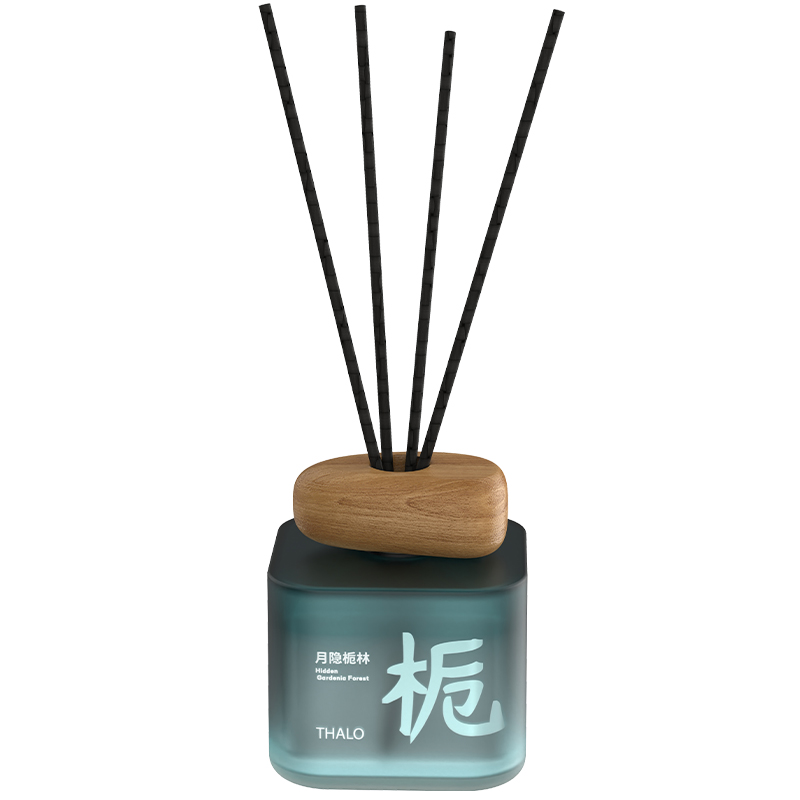
 ZHICHUNLet Nature Fill Your Space With Fragrance,Turn an ordinary room into a peaceful fragrance retreat. Thalo “Spring Awakening” Reed Diffuser brings the beauty of Oriental-inspired scents into everyday life, creating a warm and elegant atmosphere without flame, smoke or electricity.
Inspired by nature, the 180ml Home Fragrance Collection features three distinctive scents: Moonlit Gardenia Forest, Wumu Gradually Becomes Spring, and Green Tea Reflection Spring. Each fragrance unfolds gently through high-density reed sticks, filling your space with a continuous and refined aroma.
The frosted glass bottle, wood-inspired cap and minimalist design add a sophisticated decorative touch to any interior. Perfect for bedrooms, living rooms, bathrooms, offices, boutiques and hotels, this Natural Reed Diffuser creates a relaxing fragrance experience while helping refresh indoor air.
Bring a touch of spring, nature and tranquility into every moment with Thalo. XiaoxiangyuTitle: The Car Air Freshener That Keeps Every Mile Fresh
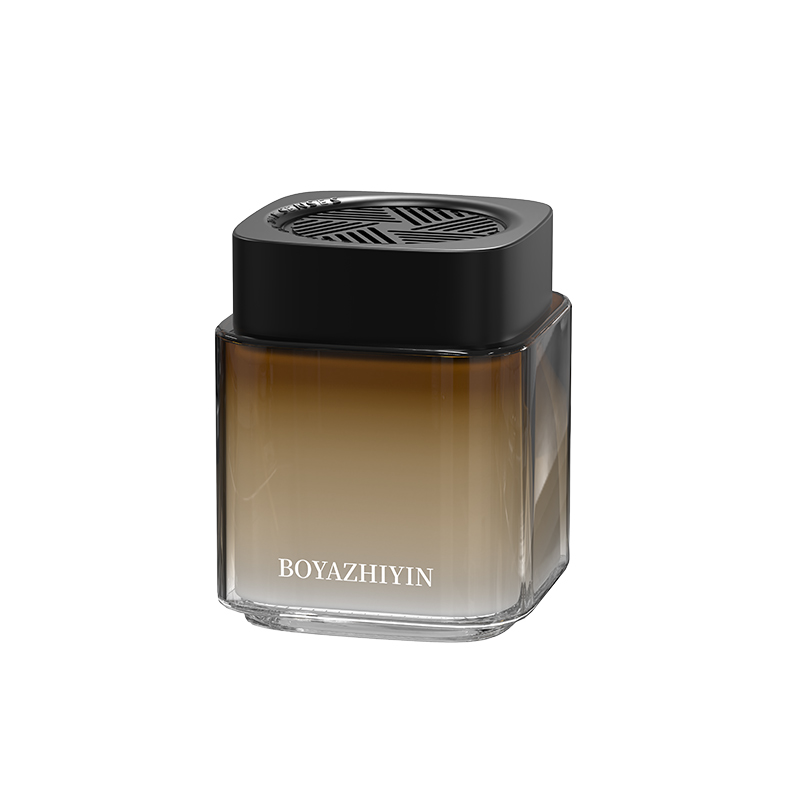
Every drive deserves a fresh, calming atmosphere. The BOYAZHIYIN car air freshener turns your car into a private sanctuary of natural scent. Crafted specifically for small spaces, this long lasting car air freshener delivers pure botanical fragrance without the dizzying intensity of ordinary car perfumes. Our solid gel formula releases scent steadily for weeks, keeping your cabin inviting from the first mile to the last. Each glass jar is built to impress, with a crystal-clear body and a striped diffusion lid that spreads fragrance evenly through every corner. Choose from four refined scents: Oud Rose, Wild Cologne, Dew Gardenia, or High Mountain White Tea. Made with plant essential oils, it is a natural car air freshener you can trust every single day. Breathe easier, drive happier, and enjoy a car that always smells as good as it looks. Ling FengTurn Every Drive Into a Fragrance Ritual
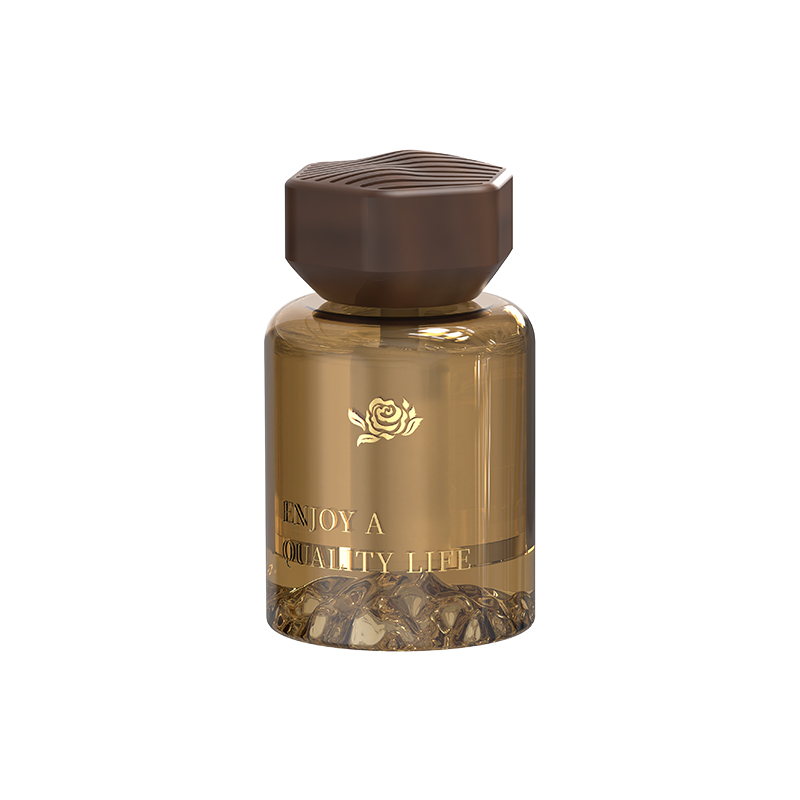
Step into your car and let a refined fragrance transform the atmosphere instantly. Designed for those who appreciate elegance in every detail, this premium car fragrance combines a sophisticated bottle design with high-quality fragrance oils to make every journey more enjoyable.
With 24-hour long-lasting diffusion and a 360° fragrance experience, the scent spreads evenly throughout your car without feeling overpowering. The oil-based formula helps maintain a smooth and consistent aroma, while perfume-grade fragrance creates a more layered and elegant scent experience.
From the fresh and delicate character of Misty Longjing to the deeper, sophisticated notes of Classic Cologne, every fragrance tells its own story. Black KnightA Fragrance That Turns Any Space Into a Memory
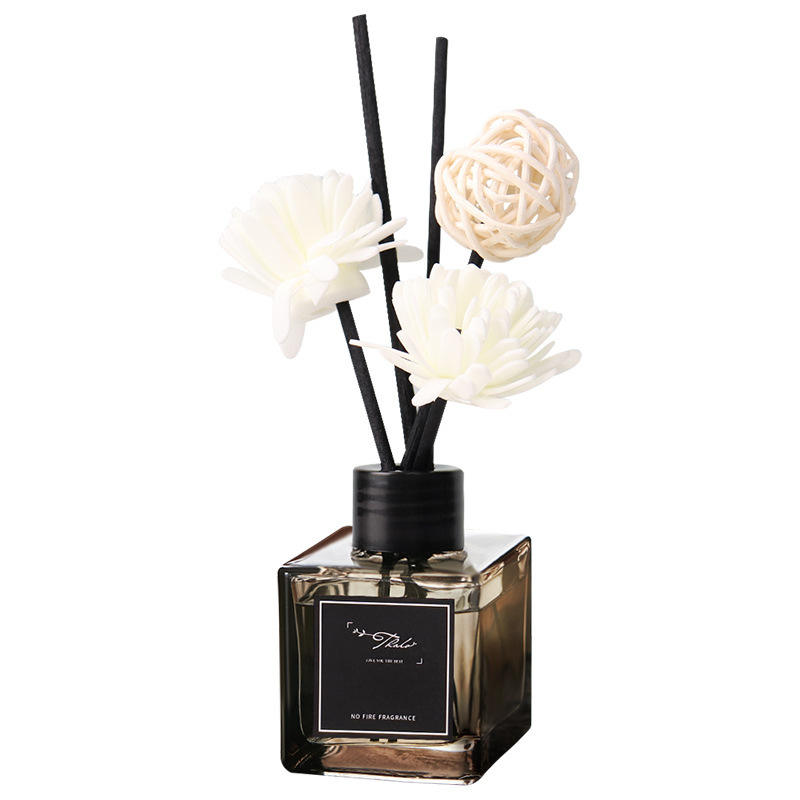
Bring nature indoors with Thalo Botanical Reed Diffuser, a premium home fragrance designed to transform everyday spaces into moments of calm. Crafted with botanical-inspired ingredients and imported fragrance oils, it releases an elegant, long-lasting aroma without flame or smoke.
The 50ml reed diffuser combines a deep brown bottle with high-density fiber reeds and handmade botanical dried flowers, creating both a beautiful decorative piece and an effective air freshener. From peaceful bedrooms to sophisticated living rooms, boutiques, hotels, exhibitions and special events, it adds a refined fragrance wherever you place it.
Choose a scent, place the diffuser, and let the fragrance unfold naturally.
Thalo — bringing the beauty of nature into every memorable moment.
Can't find what you're looking for ?
Leave a Message we will call you back quickly!
Professional Service
Interested? Leave your contact details.
Search Starts Here

