


News
How should you really judge a Pet Deodorizer?
A strong scent is easy to notice, but it is a weak test.
A high-performing Pet Deodorizer should reduce odor at the source, not just compete with it.
That means checking neutralization, residue, safety, and stability after spraying, wiping, or air exposure.
In daily chemical care products, this matters more than ever.
Households now expect cleaner formulations, consistent performance, and less irritation on fabrics, floors, and pet-contact areas.
Experience also matters in how products are evaluated and made.
A company that expanded from a small 2015 facility to multiple factories and over 160 employees usually learns quickly from scale, channels, and product testing demands.
Is fragrance strength a sign of real deodorizing power?
Not necessarily. In fact, heavy fragrance can hide poor odor control.
The better question is simple: does the bad smell return after the perfume fades?
If it does, the Pet Deodorizer likely masked the odor instead of neutralizing the compounds behind it.
Pet odors usually come from proteins, fatty acids, ammonia-related compounds, and microbial activity.
A useful formula should interact with those sources chemically or biologically.
That is why evaluators often test performance at several moments.
- Immediate odor reduction after application
- Residual odor after 30 minutes or one hour
- Reappearance under warmth or humidity
- Changes after repeated use on the same surface
A good result is not “smells stronger.” It is “smells cleaner for longer.”
Which performance indicators matter more in practical testing?
In actual application, evaluators usually combine sensory judgment with physical checks.
That avoids relying on personal fragrance preference alone.
This kind of checklist gives a more reliable picture of Pet Deodorizer quality than scent intensity ever can.
What ingredient interactions should not be ignored?
Many formulas look good on paper but perform poorly after blending.
The reason is often ingredient interaction.
Fragrance oils, surfactants, odor absorbers, preservatives, and solvents can interfere with one another.
For example, a pleasant perfume note may weaken perceived freshness if it mixes badly with animal odor residues.
Some active systems also lose effectiveness across temperature swings or long storage periods.
That is why mature daily chemical production focuses on batch consistency, not just a lab prototype.
A growing manufacturing base with home washing and care experience can often control this better through repeated formulation refinement.
Even outside pet care, the same principle appears in compact air-freshening formats.
For instance, Strolling in the wilderness uses Swiss imported spices in a 90g automotive format.
Its value is not just fragrance longevity, but controlled placement, clean use, and suitability for sensitive family settings.
That same evaluation mindset applies to any Pet Deodorizer: balanced ingredients should support performance, not overpower it.
How do residue and surface safety affect the final judgment?
This is a common blind spot.
A Pet Deodorizer may remove odor well, yet still fail if it leaves marks or creates buildup.
Soft furnishings, pet beds, car mats, sofas, and coated floors all react differently.
A safe formula should dry evenly and should not leave a tacky layer.
Residue attracts dust, traps new odor, and can make repeat cleaning harder.
It may also cause concern in homes where pets lick treated surfaces.
A practical evaluation usually includes these checks:
- Spray on dark and light fabrics
- Observe drying marks under natural light
- Rub the surface after full drying
- Repeat the test after several applications
When residue stays low, the formula usually feels more trustworthy in routine use.
Are there common mistakes when comparing one Pet Deodorizer with another?
Yes, and most comparisons are too quick.
People often test different products on different odor loads, surfaces, or room conditions.
That makes the result unreliable.
A fair comparison should keep the contamination level, application amount, waiting time, and ventilation similar.
Another mistake is ignoring the intended setting.
Some odor-control products are designed for enclosed spaces, while others suit washable textiles or hard surfaces.
That is why crossover references can help, but only carefully.
A compact item like Strolling in the wilderness, made for car air purification and long-lasting natural fragrance, highlights the value of stability and placement efficiency.
Still, a Pet Deodorizer should be judged by source removal, not by ambient scent performance alone.
What is the smartest next step before choosing or refining a formula?
Start with a simple internal standard.
Define the odor type, target surface, acceptable residue level, and required duration of control.
Then test the Pet Deodorizer under repeated and realistic conditions, not only in a first-use trial.
If two products seem similar, choose the one that stays stable, leaves less residue, and keeps odor from returning.
That approach is more useful than chasing the strongest fragrance.
In short, better Pet Deodorizer evaluation comes from measurable performance, surface safety, and formulation balance.
Use those points to compare options, refine testing methods, and build a clearer standard for future selection.
Related Products
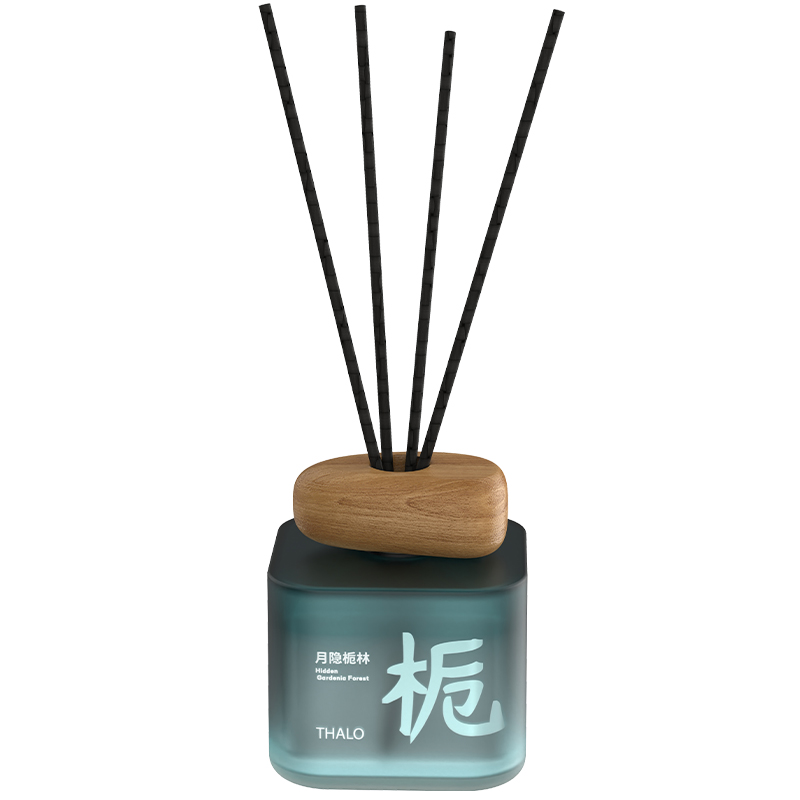
 ZHICHUNLet Nature Fill Your Space With Fragrance,Turn an ordinary room into a peaceful fragrance retreat. Thalo “Spring Awakening” Reed Diffuser brings the beauty of Oriental-inspired scents into everyday life, creating a warm and elegant atmosphere without flame, smoke or electricity.
Inspired by nature, the 180ml Home Fragrance Collection features three distinctive scents: Moonlit Gardenia Forest, Wumu Gradually Becomes Spring, and Green Tea Reflection Spring. Each fragrance unfolds gently through high-density reed sticks, filling your space with a continuous and refined aroma.
The frosted glass bottle, wood-inspired cap and minimalist design add a sophisticated decorative touch to any interior. Perfect for bedrooms, living rooms, bathrooms, offices, boutiques and hotels, this Natural Reed Diffuser creates a relaxing fragrance experience while helping refresh indoor air.
Bring a touch of spring, nature and tranquility into every moment with Thalo. XiaoxiangyuTitle: The Car Air Freshener That Keeps Every Mile Fresh
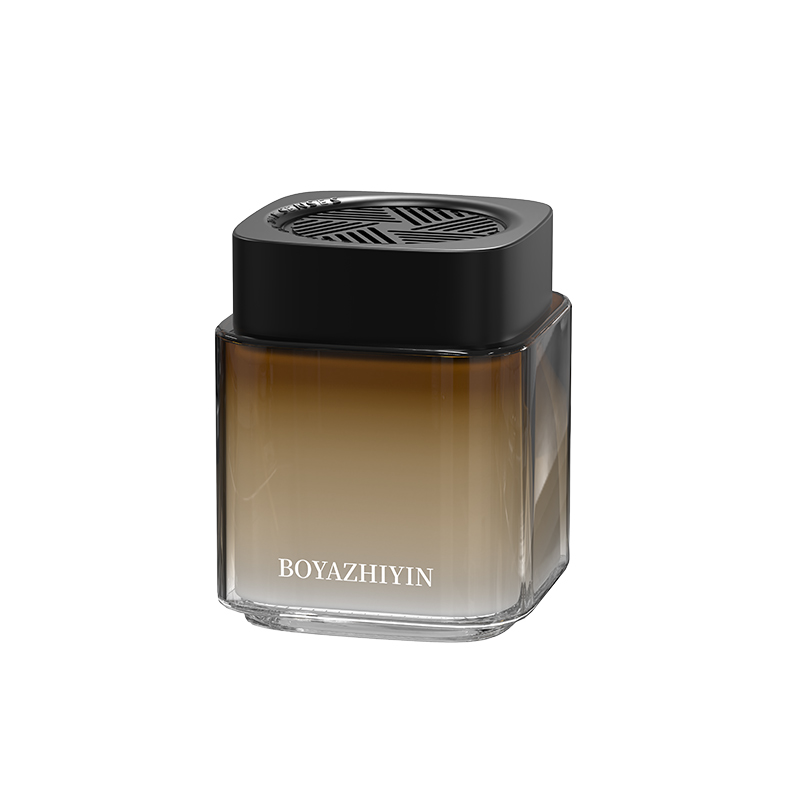
Every drive deserves a fresh, calming atmosphere. The BOYAZHIYIN car air freshener turns your car into a private sanctuary of natural scent. Crafted specifically for small spaces, this long lasting car air freshener delivers pure botanical fragrance without the dizzying intensity of ordinary car perfumes. Our solid gel formula releases scent steadily for weeks, keeping your cabin inviting from the first mile to the last. Each glass jar is built to impress, with a crystal-clear body and a striped diffusion lid that spreads fragrance evenly through every corner. Choose from four refined scents: Oud Rose, Wild Cologne, Dew Gardenia, or High Mountain White Tea. Made with plant essential oils, it is a natural car air freshener you can trust every single day. Breathe easier, drive happier, and enjoy a car that always smells as good as it looks. Ling FengTurn Every Drive Into a Fragrance Ritual
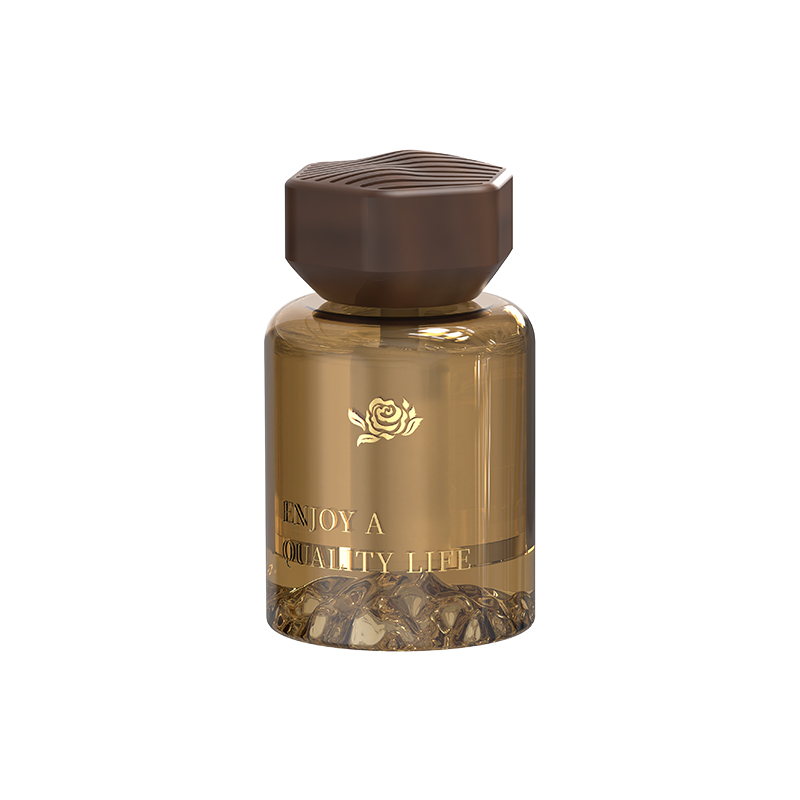
Step into your car and let a refined fragrance transform the atmosphere instantly. Designed for those who appreciate elegance in every detail, this premium car fragrance combines a sophisticated bottle design with high-quality fragrance oils to make every journey more enjoyable.
With 24-hour long-lasting diffusion and a 360° fragrance experience, the scent spreads evenly throughout your car without feeling overpowering. The oil-based formula helps maintain a smooth and consistent aroma, while perfume-grade fragrance creates a more layered and elegant scent experience.
From the fresh and delicate character of Misty Longjing to the deeper, sophisticated notes of Classic Cologne, every fragrance tells its own story. Black KnightA Fragrance That Turns Any Space Into a Memory
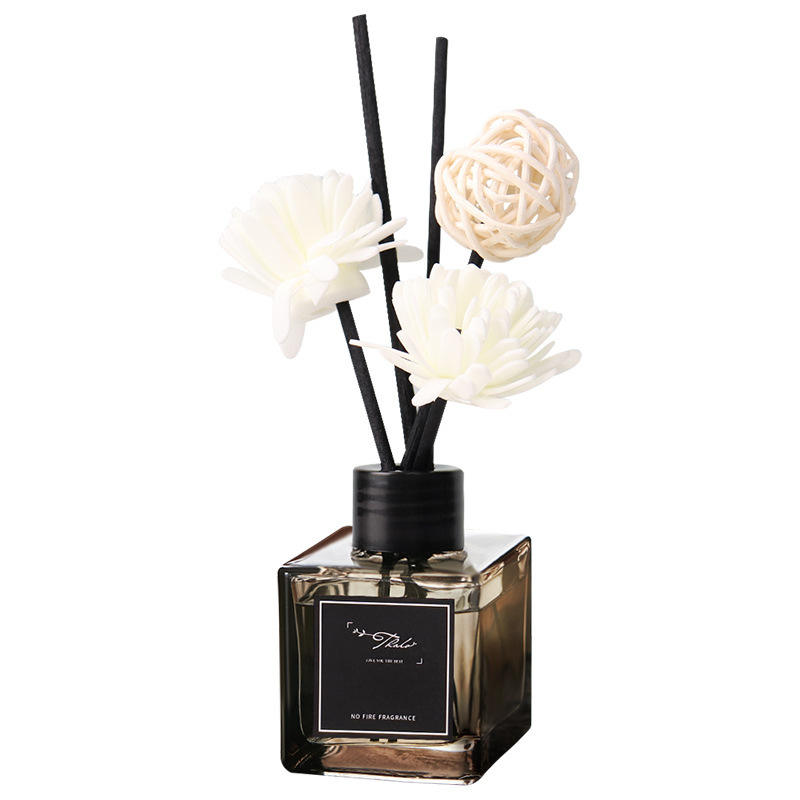
Bring nature indoors with Thalo Botanical Reed Diffuser, a premium home fragrance designed to transform everyday spaces into moments of calm. Crafted with botanical-inspired ingredients and imported fragrance oils, it releases an elegant, long-lasting aroma without flame or smoke.
The 50ml reed diffuser combines a deep brown bottle with high-density fiber reeds and handmade botanical dried flowers, creating both a beautiful decorative piece and an effective air freshener. From peaceful bedrooms to sophisticated living rooms, boutiques, hotels, exhibitions and special events, it adds a refined fragrance wherever you place it.
Choose a scent, place the diffuser, and let the fragrance unfold naturally.
Thalo — bringing the beauty of nature into every memorable moment.
Can't find what you're looking for ?
Leave a Message we will call you back quickly!
Professional Service
Interested? Leave your contact details.
Search Starts Here

