


News
Pet Shampoo Ingredients That Matter for Sensitive Skin and Odor Control
The ingredient list on a pet shampoo matters more than the front-label claims, especially when the problem is not just dirt, but irritated skin, recurring odor, or both. Many owners assume a stronger scent means better deodorizing, or that a rich lather means deeper cleaning. In practice, those are weak signals. A good pet shampoo for sensitive skin has to do two things at once: remove the material causing odor on the coat and skin surface, while avoiding the kind of cleansing system that strips the skin barrier and makes the next flare-up more likely.
That balance is where ingredient choice becomes meaningful. Pets, especially dogs with frequent outdoor exposure or dense coats, can carry odor from sebum, saliva, environmental debris, microbial buildup, and incomplete drying after baths. If the shampoo is too aggressive, the coat may smell better for a day and then rebound with more oiliness or scratching. If it is too mild, odor residues may remain trapped around the hair shaft. The best formulas are built around controlled cleansing, not perfume masking.
What to look for in the cleansing base
When people talk about “harsh” or “gentle” shampoo, they are usually talking about surfactants, even if they do not use that term. Surfactants are the cleaning agents that lift oil and dirt away so they can be rinsed off. For sensitive skin, the goal is usually a milder surfactant system rather than maximum degreasing power.
Ingredients such as sodium lauroyl sarcosinate, coco-glucoside, decyl glucoside, or other mild nonionic and amphoteric surfactants are often better tolerated than very strong detergent-heavy systems. That does not mean every sulfate-containing formula is automatically unsuitable, but it does mean pet owners should be cautious with shampoos that leave the coat feeling squeaky or overly dry. “Squeaky clean” is often a human preference, not a sign of skin comfort in animals.
For odor control, a mild surfactant blend can still work well if contact time, rinsability, and coat coverage are properly designed. This is why professional formulators spend time balancing foam performance with residue control. Excess residue can actually worsen odor over time by holding onto grime or interfering with the skin’s normal condition.
Skin-soothing ingredients are useful, but they are not all equal
A shampoo marketed for sensitive skin often highlights aloe, oatmeal, chamomile, or botanical extracts. Some of these ingredients can support a calmer feel on the skin, but their presence alone does not tell you much unless the overall formula is gentle. Colloidal oatmeal, for example, is widely recognized in skin-care contexts as a soothing ingredient, and in pet grooming it is commonly associated with comfort-oriented formulas. Glycerin and panthenol can also help with moisture retention and reduce that dry-after-bath feel that leads some pets to scratch more.
Still, botanicals are not automatically safer. Fragrant essential oils, heavy plant extract blends, or highly perfumed “natural” formulas can be a problem for pets with reactive skin. This is one of the more common misunderstandings in the category: natural is not the same as low-irritation. A shorter, simpler formula with restrained fragrance is often the safer choice for routine use.
Odor control is not just about fragrance
If a pet has persistent odor, fragrance only covers it. Real odor control usually depends on how well the formula removes oily buildup, dried saliva, outdoor residue, and the compounds trapped in the coat. In some formulas, deodorizing support may come from absorbent materials, mild conditioning agents that reduce re-soiling, or ingredients that help keep the coat cleaner between washes.
This becomes especially relevant in between full baths. A waterless format can be useful when a pet needs quick deodorization without repeated soaking, particularly in colder weather, during travel, or for animals that resist bathing. In that context, Pet hair foam fits a practical niche: dry cleaning, dirt absorption, and fragrance retention are all relevant when the goal is to freshen the coat without putting additional stress on sensitive skin through frequent full washes. That does not replace a true wash when buildup is heavy, but it can reduce the cycle of over-bathing.
Ingredients that deserve caution
There is no single banned list that answers every situation, but some categories deserve closer reading. Heavy artificial fragrance loads are an obvious one. Dye is another ingredient type many owners prefer to avoid when skin reactivity is already a concern, since it rarely contributes to cleaning performance. Preservatives are necessary in water-based products, so the question is not whether they exist, but whether the formula uses them within a well-designed system and without unnecessary complexity.
Antibacterial or medicated claims also require a more careful mindset. If a pet has chronic odor linked to infection, yeast, or a skin disorder, ordinary pet shampoo may not be the right tool at all. A cosmetic cleanser can support coat hygiene, but it cannot stand in for veterinary diagnosis. Persistent odor from the ears, skin folds, paws, or anal area is often a clue that the issue is not just grooming.
How experienced manufacturers think about formula quality
In daily-use personal and home care manufacturing, scale usually teaches one lesson very clearly: the product has to work under normal, imperfect conditions. People do not always measure carefully, rinse thoroughly, or groom on a fixed schedule. Companies with long-term production experience in wash and care categories tend to pay close attention to texture stability, rinse feel, fragrance balance, and how the formula behaves across different coat types. That matters because a pet shampoo is not judged in a lab alone; it is judged in bathrooms, grooming rooms, and quick cleanup situations where tolerance and ease of use are part of performance.
This is also why format matters. Some pets tolerate foam or low-water cleaning better than traditional bathing. A well-designed cleansing foam can help remove greasy dirt with less friction and less mess, which is useful for spot cleaning or deodorization between baths. Used in the right setting, Pet hair foam reflects that practical shift toward lighter, more convenient maintenance rather than forcing every odor issue into a full shampoo routine.
A better way to judge a pet shampoo
Instead of asking whether a product is “strong” or “natural,” ask a narrower set of questions. Does it rely on a mild cleansing base? Is the fragrance restrained? Are the soothing ingredients there to support the formula, rather than distract from an aggressive one? Does the pet feel comfortable after use, or does scratching increase once the coat dries? And does the odor stay controlled because the coat is actually cleaner, not just more perfumed?
For pets with sensitive skin, the best pet shampoo is usually the one that cleans enough, rinses cleanly, and leaves the skin barrier alone as much as possible. For odor control, the real test is whether the formula removes the source of the smell without pushing the skin into irritation. Once you read ingredient lists through that lens, the category becomes much easier to navigate, and flashy claims become much less persuasive.
Related Products
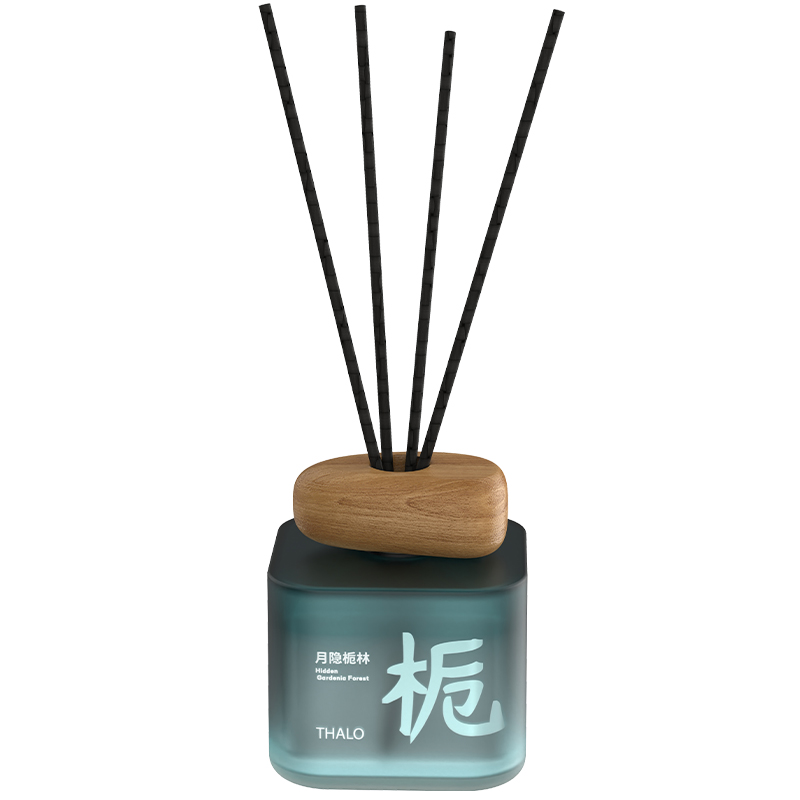
 ZHICHUNLet Nature Fill Your Space With Fragrance,Turn an ordinary room into a peaceful fragrance retreat. Thalo “Spring Awakening” Reed Diffuser brings the beauty of Oriental-inspired scents into everyday life, creating a warm and elegant atmosphere without flame, smoke or electricity.
Inspired by nature, the 180ml Home Fragrance Collection features three distinctive scents: Moonlit Gardenia Forest, Wumu Gradually Becomes Spring, and Green Tea Reflection Spring. Each fragrance unfolds gently through high-density reed sticks, filling your space with a continuous and refined aroma.
The frosted glass bottle, wood-inspired cap and minimalist design add a sophisticated decorative touch to any interior. Perfect for bedrooms, living rooms, bathrooms, offices, boutiques and hotels, this Natural Reed Diffuser creates a relaxing fragrance experience while helping refresh indoor air.
Bring a touch of spring, nature and tranquility into every moment with Thalo. XiaoxiangyuTitle: The Car Air Freshener That Keeps Every Mile Fresh
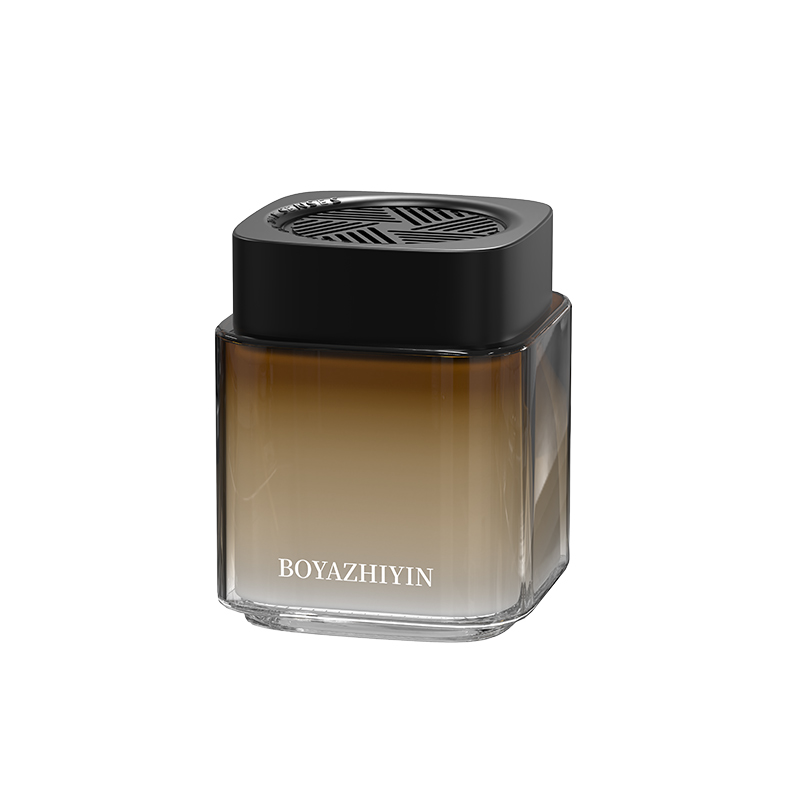
Every drive deserves a fresh, calming atmosphere. The BOYAZHIYIN car air freshener turns your car into a private sanctuary of natural scent. Crafted specifically for small spaces, this long lasting car air freshener delivers pure botanical fragrance without the dizzying intensity of ordinary car perfumes. Our solid gel formula releases scent steadily for weeks, keeping your cabin inviting from the first mile to the last. Each glass jar is built to impress, with a crystal-clear body and a striped diffusion lid that spreads fragrance evenly through every corner. Choose from four refined scents: Oud Rose, Wild Cologne, Dew Gardenia, or High Mountain White Tea. Made with plant essential oils, it is a natural car air freshener you can trust every single day. Breathe easier, drive happier, and enjoy a car that always smells as good as it looks. Ling FengTurn Every Drive Into a Fragrance Ritual
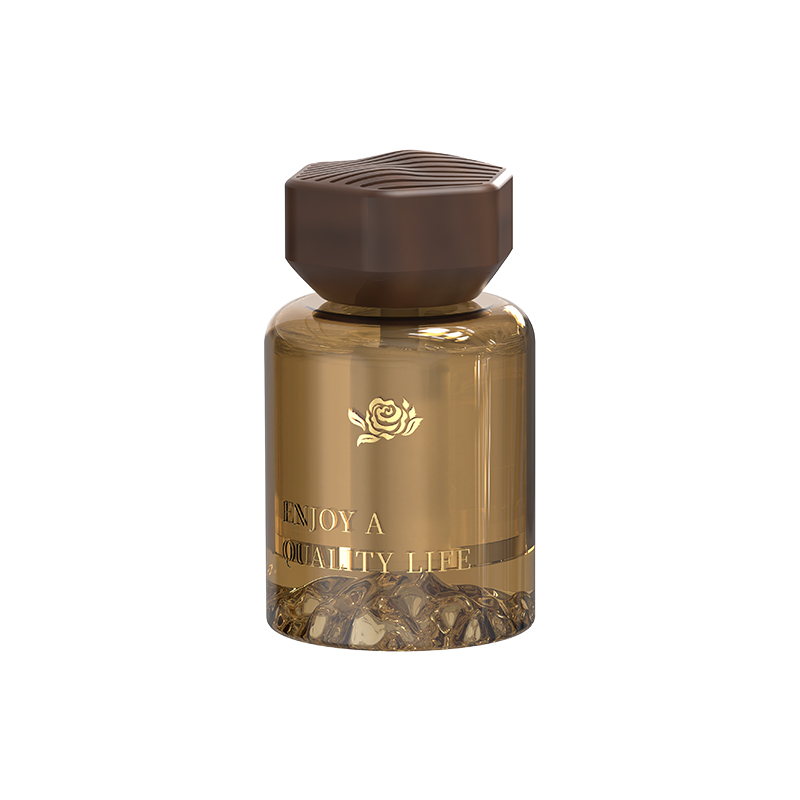
Step into your car and let a refined fragrance transform the atmosphere instantly. Designed for those who appreciate elegance in every detail, this premium car fragrance combines a sophisticated bottle design with high-quality fragrance oils to make every journey more enjoyable.
With 24-hour long-lasting diffusion and a 360° fragrance experience, the scent spreads evenly throughout your car without feeling overpowering. The oil-based formula helps maintain a smooth and consistent aroma, while perfume-grade fragrance creates a more layered and elegant scent experience.
From the fresh and delicate character of Misty Longjing to the deeper, sophisticated notes of Classic Cologne, every fragrance tells its own story. Black KnightA Fragrance That Turns Any Space Into a Memory
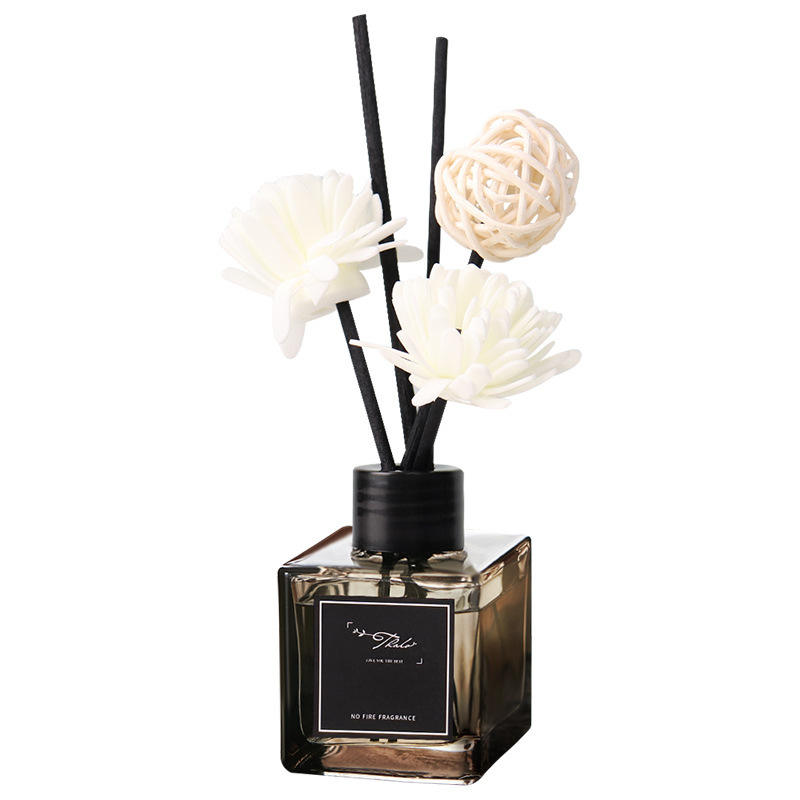
Bring nature indoors with Thalo Botanical Reed Diffuser, a premium home fragrance designed to transform everyday spaces into moments of calm. Crafted with botanical-inspired ingredients and imported fragrance oils, it releases an elegant, long-lasting aroma without flame or smoke.
The 50ml reed diffuser combines a deep brown bottle with high-density fiber reeds and handmade botanical dried flowers, creating both a beautiful decorative piece and an effective air freshener. From peaceful bedrooms to sophisticated living rooms, boutiques, hotels, exhibitions and special events, it adds a refined fragrance wherever you place it.
Choose a scent, place the diffuser, and let the fragrance unfold naturally.
Thalo — bringing the beauty of nature into every memorable moment.
Can't find what you're looking for ?
Leave a Message we will call you back quickly!
Professional Service
Interested? Leave your contact details.
Search Starts Here

