


The Difference Between High-Quality Fragrances and Hypoallergenic Fragrances in Daily Use
Understanding the difference between high-quality fragrances and hypoallergenic fragrances starts with a very ordinary moment: a product smells good in the bottle, but after a week of use the experience changes. The scent may turn flat on fabric, feel heavy in a small bathroom, or become irritating when used on skin that is already dry, freshly shaved, or exposed to detergent residue. That is where the distinction matters. In daily-use products across the household and personal care sector, fragrance is not judged only by how pleasant it smells at first contact. It is judged by how it behaves through real use conditions, including skin sensitivity, room ventilation, humidity, fabric retention, and repeated exposure.
High-quality fragrance usually refers to composition quality, balance, stability, and sensory performance over time. A better fragrance is often cleaner in structure: top notes do not disappear too abruptly, the middle does not become muddy, and the dry-down stays coherent instead of leaving a harsh chemical trace on clothing, curtains, or bedding. In home washing and care products, that matters because fragrance has to survive water dilution, contact with surfactants, and storage variation. A formula that smells refined on a blotter but collapses after mixing into detergent or softener is not high quality in practical terms, no matter how attractive it seemed in development.
Hypoallergenic fragrance is a different conversation. It is not a guarantee that no one will react, and it should not be treated that way. In most everyday discussions, the term points to fragrance choices designed to reduce the likelihood of irritation for users who are more reactive to scent ingredients or heavy aromatic loading. The key difference is priority. High-quality fragrance asks, “How well does this scent perform?” Hypoallergenic fragrance asks, “How low can we keep the sensory and skin burden while still making the product acceptable to use?” Sometimes those goals overlap. Sometimes they do not.
Where the Difference Shows Up Fastest
Laundry care is one of the clearest examples. In a home setting, consumers often want sheets, towels, and everyday clothing to keep a fresh scent after washing. A high-quality fragrance helps because it remains stable through rinse cycles and does not shift into a sour, powdery, or overly sharp note once the fabric dries. But if the user is dressing children, has eczema-prone skin, or wears clothing for long hours in a warm environment, the better choice may be a lower-intensity hypoallergenic direction. The problem is not that strong fragrance is inherently poor. The problem is that prolonged skin contact changes the evaluation standard.
Body wash and hand soap create another split. Premium fragrance can improve the bathing experience by making a routine product feel more complete and less utilitarian. Yet rinse-off products are often used several times a day, sometimes on already compromised skin. In that context, consumers asking about The difference between high-quality fragrances and hypoallergenic fragrances are usually not comparing luxury against basic quality. They are trying to avoid the mistake of choosing a beautiful scent profile that becomes tiring or uncomfortable under repeated use.
Indoor fragrance is more nuanced because “daily use” includes not only body contact but also air exposure. A living room with strong ventilation can carry a layered botanical or woody profile quite well. A bedroom, nursery, or compact apartment entryway often cannot. The same scent that feels elegant in open space may become oppressive in a closed room, particularly when incense, detergent, hand cream, and cleaning products all leave overlapping trails. For that reason, experienced product teams do not evaluate fragrance in isolation. They consider accumulation.
That is also why some consumers prefer gentle, adjustable ambient fragrance formats rather than a fixed strong release. A product such as Altar Incense, which combines pure plant fragrance with a pottery-jar storage approach and allows the home space to move between jasmine, forest, and tea-inspired directions, fits better in households where scent is part of atmosphere rather than projection. The practical value is not only aesthetics. It gives users more control over concentration and timing, which is often the missing factor when people think a fragrance is “too much.”
Why Consumers Often Confuse the Two
A refined scent can feel softer, and a softer scent can feel higher grade, so the categories blur in everyday buying decisions. But softness is not proof of hypoallergenic positioning, and complexity is not proof of irritation risk. What usually creates confusion is that premium fragrance work tends to remove rough edges: harsh solvent-like openings, unbalanced sweetness, cheap floral lift, or residue that clashes with base detergent odor. That polishing effect can make a high-quality fragrance seem “gentle,” even when the formula was never designed specifically around sensitivity concerns.
The reverse is also common. Some hypoallergenic products are assumed to be weak or unsophisticated because they avoid strong diffusion. In reality, a restrained fragrance can still be well made. It simply has a narrower task. It should not dominate a room, cling aggressively to skin, or compete with other scented products already present in the home.
What Experienced Manufacturers Watch For
Companies that have expanded from early small-scale operations into broader washing, care, and multi-channel production usually learn one thing quickly: customer complaints around fragrance are rarely about smell alone. They often involve use context. A scent that performs well in sampling may behave differently in northern dry seasons, in humid bathrooms, or in households that store products near heat. For manufacturers with growing capacity, more employees, and multiple factory stages, the hard part is not merely launching more scented SKUs. It is maintaining consistency while matching fragrance type to use condition.
That is especially relevant in daily chemical products because consumers now buy across several channels and compare fast. One complaint may mention “too fragrant,” but the actual issue could be residue on fabric, concentration mismatch, or combining a strong detergent scent with an equally strong room fragrance. Another may mention “no fragrance left,” though the product was intentionally designed to be lighter for sensitive households. Without separating performance expectations from tolerance expectations, product selection becomes guesswork.
The more reliable approach is to ask a few grounded questions before choosing. Will the product stay on skin or mainly rinse away? Will it be used in a closed room? Does the user layer several scented products in the same day? Is the priority emotional atmosphere, post-wash freshness, or minimal sensory load? Those questions usually lead to a better decision than chasing the strongest scent or the safest-sounding label.
For homes that want fragrance as part of the environment rather than direct skin exposure, a controlled plant-based option like Altar Incense may be easier to live with than a highly diffusive synthetic room product, especially when users prefer to adjust the mood between floral clarity, forest depth, and tea-like calm instead of locking into one fixed profile.
So when discussing The difference between high-quality fragrances and hypoallergenic fragrances, the useful answer is not “one is better.” It is that they solve different daily-use problems. If the user wants richer character, better retention, and a more polished scent journey, high-quality fragrance is the right benchmark. If the user is managing sensitivity, frequent exposure, or shared family spaces, hypoallergenic fragrance is often the more appropriate direction. The right call usually becomes obvious once the real conditions of use are put back into the conversation.
Related Products
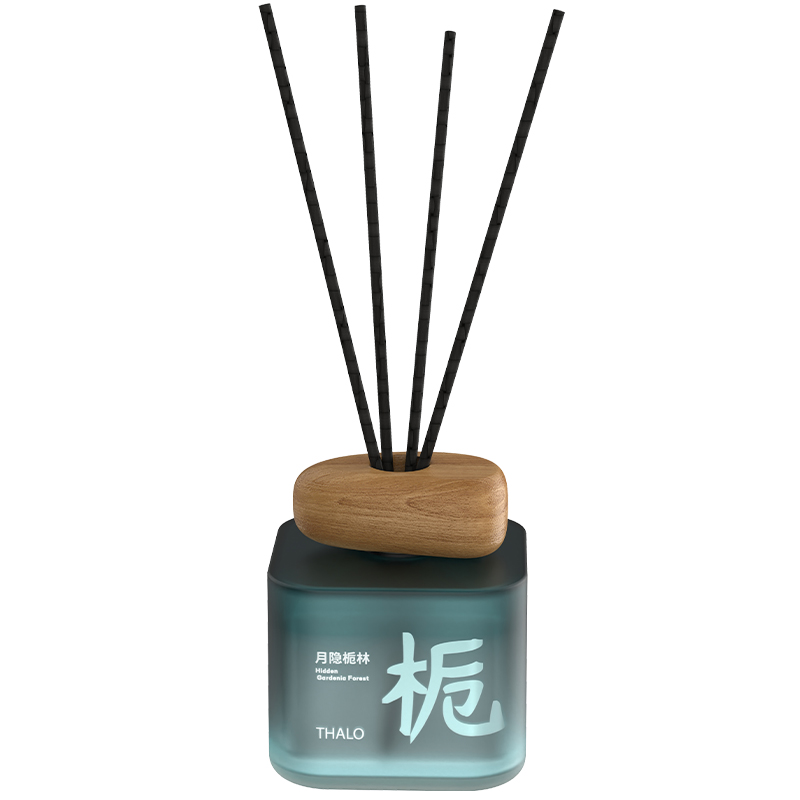
 ZHICHUNLet Nature Fill Your Space With Fragrance,Turn an ordinary room into a peaceful fragrance retreat. Thalo “Spring Awakening” Reed Diffuser brings the beauty of Oriental-inspired scents into everyday life, creating a warm and elegant atmosphere without flame, smoke or electricity.
Inspired by nature, the 180ml Home Fragrance Collection features three distinctive scents: Moonlit Gardenia Forest, Wumu Gradually Becomes Spring, and Green Tea Reflection Spring. Each fragrance unfolds gently through high-density reed sticks, filling your space with a continuous and refined aroma.
The frosted glass bottle, wood-inspired cap and minimalist design add a sophisticated decorative touch to any interior. Perfect for bedrooms, living rooms, bathrooms, offices, boutiques and hotels, this Natural Reed Diffuser creates a relaxing fragrance experience while helping refresh indoor air.
Bring a touch of spring, nature and tranquility into every moment with Thalo. XiaoxiangyuTitle: The Car Air Freshener That Keeps Every Mile Fresh
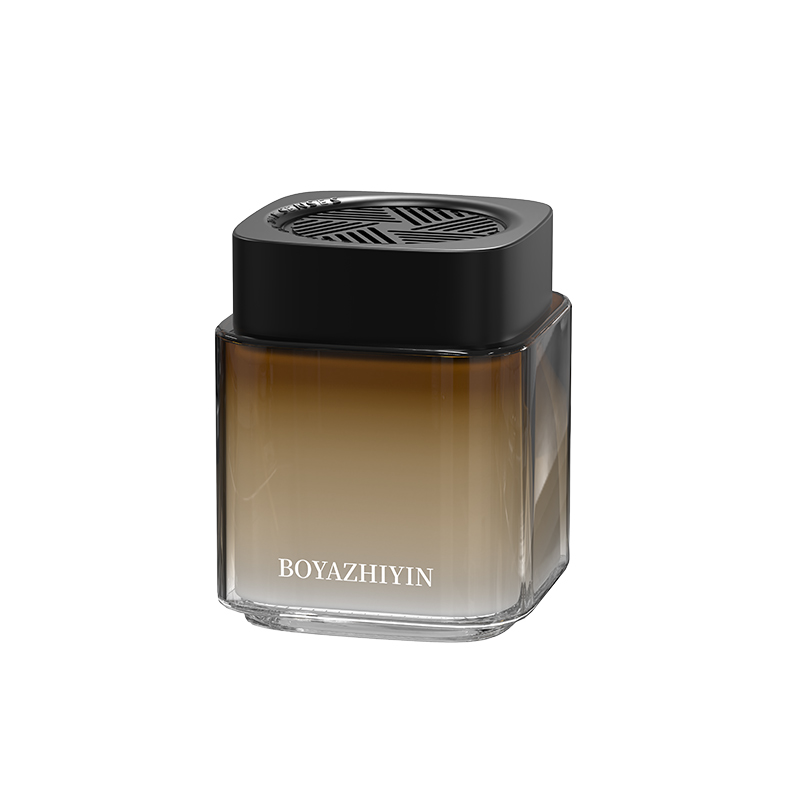
Every drive deserves a fresh, calming atmosphere. The BOYAZHIYIN car air freshener turns your car into a private sanctuary of natural scent. Crafted specifically for small spaces, this long lasting car air freshener delivers pure botanical fragrance without the dizzying intensity of ordinary car perfumes. Our solid gel formula releases scent steadily for weeks, keeping your cabin inviting from the first mile to the last. Each glass jar is built to impress, with a crystal-clear body and a striped diffusion lid that spreads fragrance evenly through every corner. Choose from four refined scents: Oud Rose, Wild Cologne, Dew Gardenia, or High Mountain White Tea. Made with plant essential oils, it is a natural car air freshener you can trust every single day. Breathe easier, drive happier, and enjoy a car that always smells as good as it looks. Ling FengTurn Every Drive Into a Fragrance Ritual
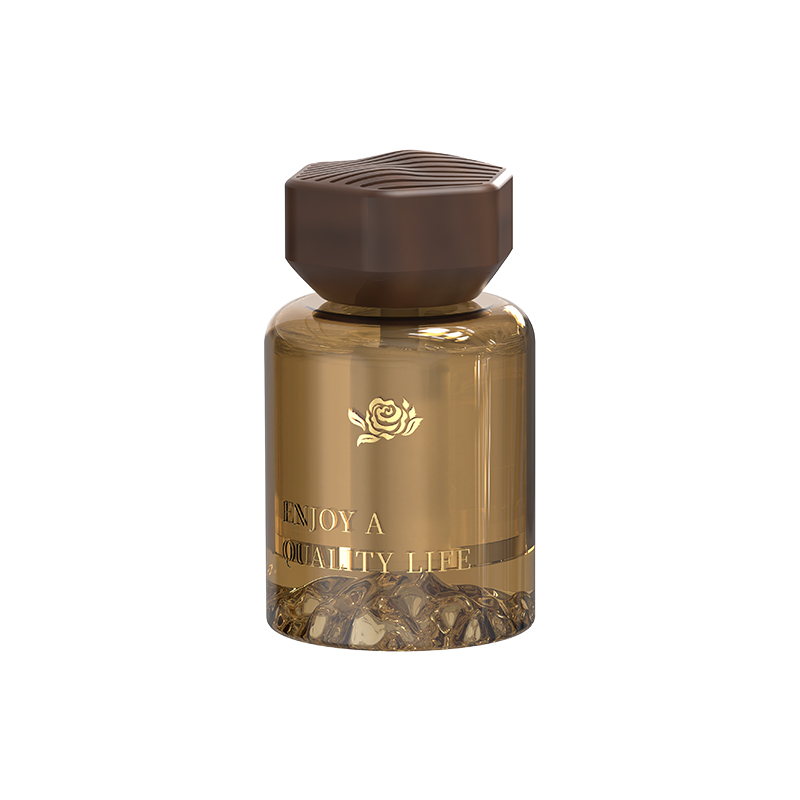
Step into your car and let a refined fragrance transform the atmosphere instantly. Designed for those who appreciate elegance in every detail, this premium car fragrance combines a sophisticated bottle design with high-quality fragrance oils to make every journey more enjoyable.
With 24-hour long-lasting diffusion and a 360° fragrance experience, the scent spreads evenly throughout your car without feeling overpowering. The oil-based formula helps maintain a smooth and consistent aroma, while perfume-grade fragrance creates a more layered and elegant scent experience.
From the fresh and delicate character of Misty Longjing to the deeper, sophisticated notes of Classic Cologne, every fragrance tells its own story. Black KnightA Fragrance That Turns Any Space Into a Memory
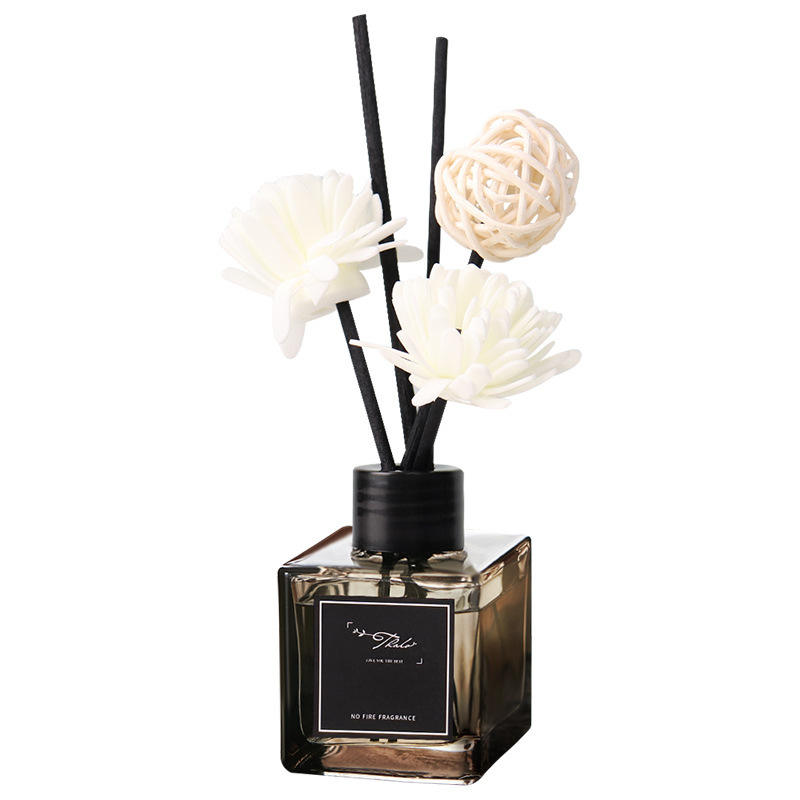
Bring nature indoors with Thalo Botanical Reed Diffuser, a premium home fragrance designed to transform everyday spaces into moments of calm. Crafted with botanical-inspired ingredients and imported fragrance oils, it releases an elegant, long-lasting aroma without flame or smoke.
The 50ml reed diffuser combines a deep brown bottle with high-density fiber reeds and handmade botanical dried flowers, creating both a beautiful decorative piece and an effective air freshener. From peaceful bedrooms to sophisticated living rooms, boutiques, hotels, exhibitions and special events, it adds a refined fragrance wherever you place it.
Choose a scent, place the diffuser, and let the fragrance unfold naturally.
Thalo — bringing the beauty of nature into every memorable moment.
Can't find what you're looking for ?
Leave a Message we will call you back quickly!
Professional Service
Interested? Leave your contact details.
Search Starts Here

