


News
A powerful Pipe Cleaning Agent is not always the smartest buying choice. For procurement teams and financial decision-makers, true value comes from stable performance, cost efficiency, and products that fit broader household care demand, including Aromatherapy Products and home fragrance lines. Understanding this difference helps buyers reduce waste, improve category planning, and choose suppliers with long-term manufacturing strength.
Why Pipe Cleaning Agent Strength Alone Does Not Define Buying Value
In the daily chemical products industry, buyers often compare pipe cleaning agent formulas by visible strength, fast reaction, or aggressive odor. That approach may work for short-term shelf comparisons, but it does not always support long-term procurement efficiency. A stronger formula can increase complaint risk, storage restrictions, packaging pressure, and mismatch with actual household use frequency.
For procurement personnel and finance approvers, the better question is not simply “How strong is the pipe cleaning agent?” but “What cleaning value does it create over 3 key stages: purchase, sell-through, and end-user satisfaction?” In many retail and distribution channels, repeat orders depend more on predictable performance than on maximum chemical intensity.
A practical evaluation normally includes 4 dimensions: clog removal suitability, packaging stability, consumer safety expectations, and total category profitability. In household care, a pipe cleaning agent that works well across common kitchen and bathroom maintenance scenarios may deliver better commercial value than a highly concentrated product designed only for severe blockage conditions.
What procurement teams should measure first
- Actual use-case fit: regular maintenance, grease-related drains, hair-related blockages, or odor control support.
- Commercial balance: unit cost, reorder rate, packaging damage rate, and return risk over a 1–2 quarter sales cycle.
- Portfolio compatibility: whether the item can be sold alongside laundry care, surface cleaning, and fragrance-related household products.
- Supplier continuity: whether the manufacturer has stable production expansion, channel experience, and support for medium and large-volume orders.
This value-based logic is especially relevant when sourcing from manufacturers with a proven operating path. A factory that began in 2015, expanded from 400 square meters, entered an industrial park in the same year with larger capacity, added channel departments in 2019, established a home washing and care factory in 2020, and opened a second factory in 2021 shows a practical ability to scale with demand instead of relying on one-off product claims.
How to Compare Strength, Performance, and Cost in Household Care Procurement
A strong pipe cleaning agent may look attractive on specification sheets, but procurement decisions in daily chemical products should compare value across performance, packaging, handling, and category turnover. In most B2B buying situations, finance teams want clarity on whether a stronger formula lowers the cost per effective use or simply raises the cost of precautions and after-sales handling.
The table below helps separate visible “strength” from true cleaning value. It is designed for buyers evaluating private label, wholesale, distributor, or mixed household care portfolios over a typical 30–90 day replenishment planning window.
For many importers, retailers, and category managers, the high-value model performs better because it supports stable repeat demand. A pipe cleaning agent should fit routine use intervals such as weekly, biweekly, or monthly maintenance rather than only “emergency unblock” purchasing behavior. That creates a broader customer base and more predictable stock movement.
Typical cost questions from finance approvers
Finance reviewers usually ask 3 practical questions. First, does the higher formula intensity reduce cost per successful use? Second, does it create hidden costs through transport restrictions, leakage risk, or more conservative packaging requirements? Third, can the product sit within a wider household care strategy instead of functioning as a single-purpose item with irregular turnover?
A balanced portfolio often outperforms a single “strongest” item
In many channels, buyers improve revenue quality by combining practical cleaning products with adjacent categories such as odor management and in-car freshness. For example, buyers expanding household and lifestyle care lines may also consider Vitality Aromatherapy for car-use scenarios, where solid-state slow-release fragrance technology and 360° fragrance diffusion support cross-category purchasing behavior.
What Procurement Teams Should Check Before Selecting a Pipe Cleaning Agent Supplier
Choosing the right pipe cleaning agent is partly about formula selection and partly about supplier capability. In daily chemical sourcing, a weak supplier can turn even a good product into a costly purchase through unstable lead times, inconsistent batches, or poor packaging coordination. That is why procurement evaluation should cover at least 5 checkpoints before price confirmation.
The following table organizes a practical selection framework for procurement personnel and financial decision-makers. It reflects common daily chemical sourcing logic and helps teams compare suppliers across manufacturing, delivery, and commercialization criteria.
A manufacturer based in Linyi, Shandong, with more than 160 employees and a development path from early setup in 2015 to second-factory expansion in 2021, offers a practical signal of organizational maturity. For B2B buyers, this matters because production scale, staffing depth, and category experience often influence lead-time confidence more than sales language does.
A useful 4-step supplier review process
- Confirm use scenarios and expected cleaning behavior, such as maintenance use versus severe clog response.
- Request packaging, formula, and labeling alignment for the target market and retail channel.
- Review sample timing, production cycle, and batch consistency checkpoints over a normal 2–4 week planning period.
- Align finance and procurement on unit economics, reorder assumptions, and risk controls before final approval.
This process helps prevent a common mistake: approving a pipe cleaning agent on strength claims without checking whether the supplier can support stable long-term commercialization. A sound daily chemical partner should help reduce sourcing friction, not add it.
How Pipe Cleaning Agent Fits a Broader Household Care and Fragrance Strategy
Category planning is becoming more important than single-item buying. A procurement team that only compares one pipe cleaning agent against another may overlook a more profitable approach: building a practical household care portfolio where cleaning, maintenance, and fragrance products support each other. This is especially useful across supermarket, e-commerce, distributor, and mixed retail channels.
In many end-user journeys, drain cleaning addresses a functional problem, while air care and fragrance products improve emotional satisfaction after cleaning. That is why category managers increasingly review 2 related demand zones together: problem-solving cleaning and freshness maintenance. The result is often better basket value and more resilient reorder behavior over monthly purchasing cycles.
Examples of complementary household care planning
- Kitchen and bathroom maintenance lines can combine pipe cleaning agent products with odor-control or scent-supporting care products.
- Home washing and care categories can be expanded into lifestyle fragrance sub-lines for higher perceived value.
- Cross-scene portfolios can include home and car freshness products, giving distributors more than one entry point into the customer’s routine care budget.
One example is car fragrance positioning through Vitality Aromatherapy. Its application scenario is the car, and its product logic is different from a pipe cleaning agent but commercially complementary. Innovative solid-state slow-release technology, 360° fragrance release, and odor decomposition support a cleaner and fresher mobility environment, which can help buyers widen category planning beyond basic household cleaning.
Why this matters to finance teams
Finance approval is easier when product lines support each other. Instead of evaluating a pipe cleaning agent as an isolated expense, approvers can assess whether the supplier contributes to a more efficient 3-part portfolio: problem resolution, maintenance care, and fragrance enhancement. This may improve stock rotation quality without forcing dependence on a single high-risk SKU.
Suppliers with experience in home washing and care manufacturing, plus channel exposure through platform departments established in 2019, are generally better prepared to discuss packaging logic, demand rhythm, and mixed-category planning. That practical background is useful when buyers need a partner, not just a quote.
Common Misconceptions, Risk Points, and FAQ for Buyers
Many costly buying errors happen because teams simplify the purchase into one question: which pipe cleaning agent is strongest? In reality, the better purchasing question is whether the product matches user habits, packaging requirements, and channel positioning. The daily chemical sector rewards consistency, clear labeling, and manageable risk more than aggressive claims alone.
Below are common procurement concerns that appear during supplier comparison, especially when approval windows are tight and the business must decide within 7–15 days. These questions help align procurement and finance on product value instead of only chemical intensity.
Is a stronger pipe cleaning agent always more cost-effective?
Not necessarily. A stronger pipe cleaning agent may have a higher impact in specific blockage situations, but cost-effectiveness depends on successful use frequency, complaint risk, packaging demands, and suitability for normal household maintenance. If most consumers use the product for routine care rather than severe emergencies, a balanced formula may create better long-term value.
What should buyers ask about delivery and production rhythm?
Ask about sample confirmation steps, batch scheduling, packaging readiness, and order coordination across 2–4 key milestones. Buyers should also check whether the supplier can support both smaller trial orders and scaled replenishment. A factory with two stages of major manufacturing expansion and more than 160 employees is generally better positioned to discuss practical scheduling capacity.
How can finance approvers reduce hidden cost risk?
Finance teams should review 5 items: product fit for target users, packaging reliability, expected return or complaint exposure, category synergy, and supplier stability. This approach moves the discussion away from headline unit price alone and toward total cost of procurement over a realistic selling period.
Three misconceptions to avoid
- Assuming faster chemical action always means higher customer satisfaction.
- Choosing a supplier based only on quotation speed instead of manufacturing depth and category fit.
- Treating pipe cleaning agent procurement as separate from broader home care and fragrance planning.
When these misconceptions are removed, procurement becomes more strategic. Buyers can compare not just products, but the long-term business value behind those products.
Why Choose Us for Pipe Cleaning Agent and Daily Chemical Category Planning
For procurement teams and financial decision-makers, supplier selection should balance manufacturing reality, category understanding, and response efficiency. Our development path reflects this capability: established in 2015, expanded from an initial 400-square-meter base, entered a larger industrial park in the same year, strengthened operations through acquisition in 2018, developed channel departments in 2019, established a home washing and care factory in 2020, and added a second factory in 2021.
Located in Linyi, Shandong, with more than 160 employees, we are positioned to support buyers who need practical daily chemical sourcing rather than generic sales promises. This includes pipe cleaning agent evaluation, household care portfolio coordination, and adjacent fragrance product planning for broader retail or distribution strategies.
What you can consult with us
- Pipe cleaning agent product selection based on maintenance use, clog type, and target market positioning.
- Packaging and formula alignment for household care lines across retail, e-commerce, or distributor channels.
- Delivery cycle discussion, including sample support, batch confirmation, and production scheduling windows.
- Category expansion planning that connects cleaning products with fragrance and care products for stronger portfolio value.
- Quote communication for medium or larger-volume sourcing, with attention to risk control and approval efficiency.
A practical next step
If your team is comparing pipe cleaning agent suppliers, send your target application, packaging expectations, estimated order rhythm, and any compliance or labeling requirements. We can help you review suitable product direction, discuss sample support, and clarify a realistic delivery plan. This makes it easier for procurement and finance to approve decisions based on measurable business value, not just perceived formula strength.
Related Products
 lingwuImagine opening the car door and being greeted by a fresh and fragrant scent instead of yesterday's smoke, food, or pet odors. Our intelligent spray car fragrance transforms daily driving into a more comfortable sensory experience. The fashionable liquid fragrance bottle and delicate spray design can be evenly spread to all parts of the car, while setting off the elegant style of the cabin. Whether it's commuting, travel, fleet management, or retail display, this car fragrance can add exquisite embellishments. Its high-end appearance is also suitable for automotive parts stores, lifestyle retailers, promotional gifts, and private label projects.
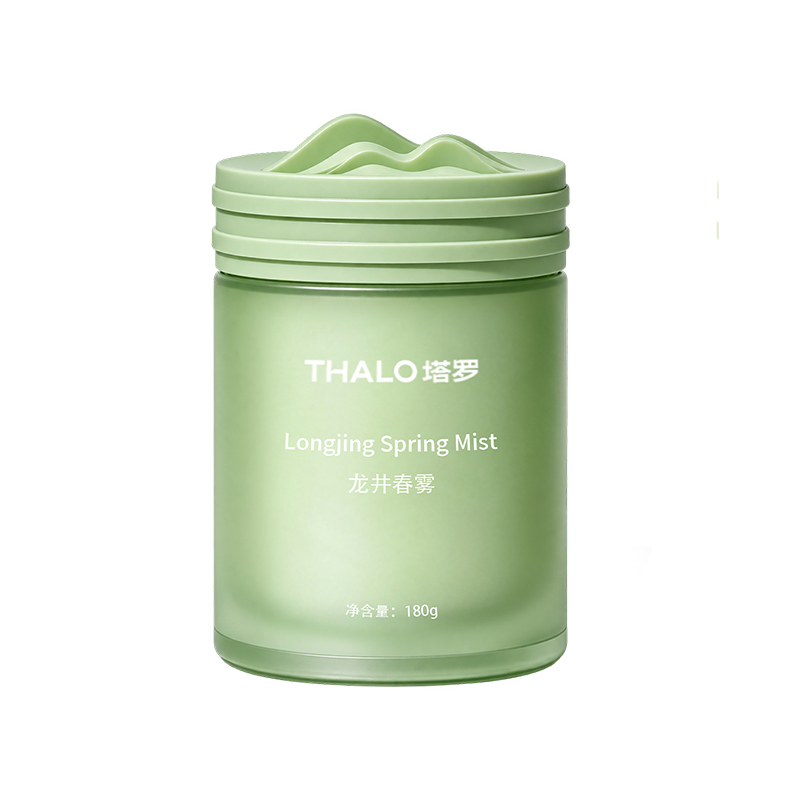
 QingyanLet every time you get on the car, start with a scent you like. THALO 180g car solid fragrance, integrated into the interior space with a simple and clean canned design, with five colors corresponding to different fragrance choices: pink, blue, yellow, black, and green. No need for complicated operations, placed on the dashboard or central armrest area, it can add a more comfortable atmosphere for daily commuting, long-distance travel, and in car rest. Choose your favorite fragrance to give the familiar cabin a more distinctive and exclusive atmosphere.
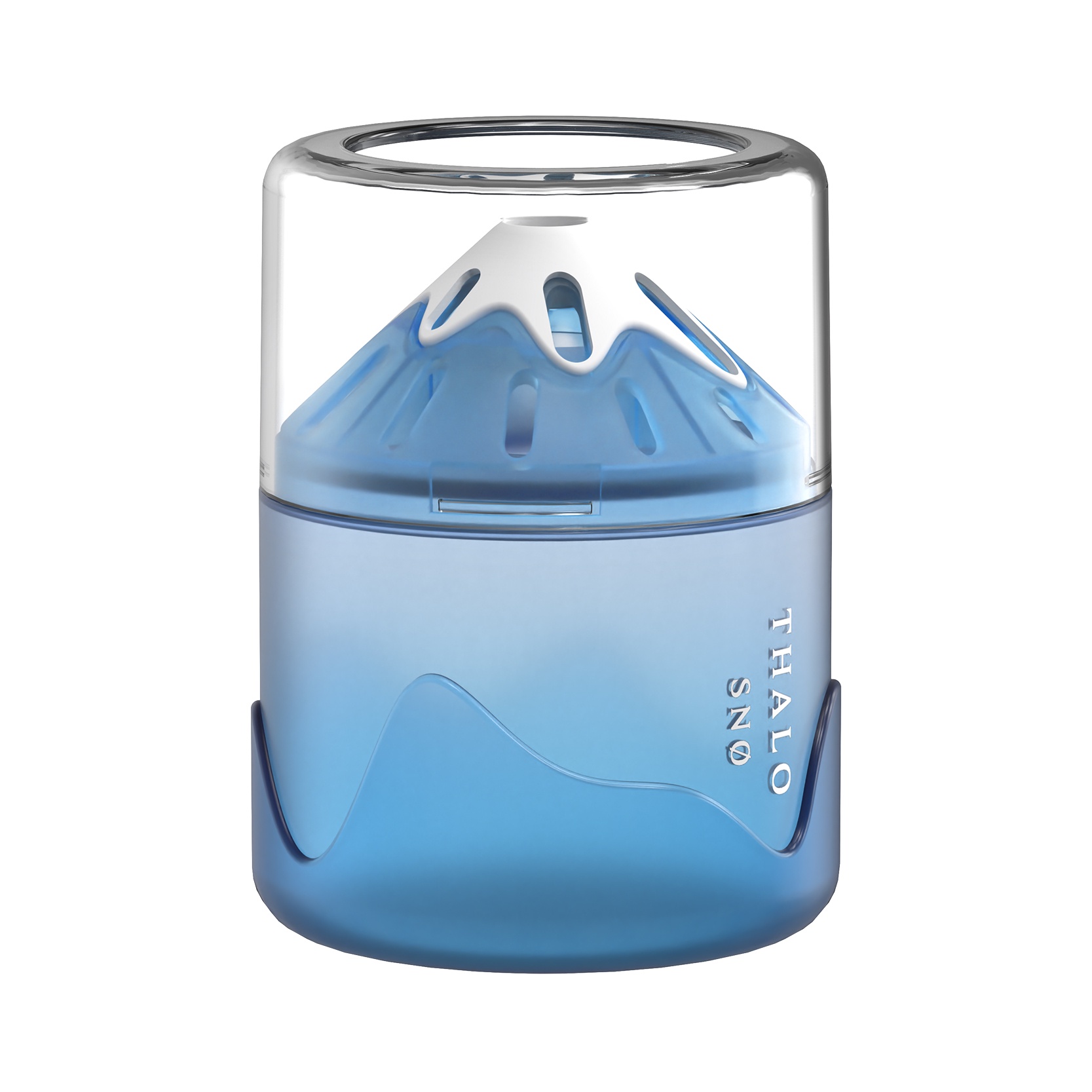
 KONGSHANDon't rush to leave as soon as you get on the car. Make a fresh atmosphere the first stop of every journey. The THALO mountain shaped car fragrance, with its unique mountain peak shape and transparent top cover, is placed in the dashboard or cup holder. It is not only an in car fragrance product, but also an exquisite decoration to enhance the cabin texture. To provide a more comfortable in car experience for daily commuting, weekend travel, and long-distance driving in response to odors and second-hand smoke. Blue, white, and gray colors are available for easy matching with different car interiors.
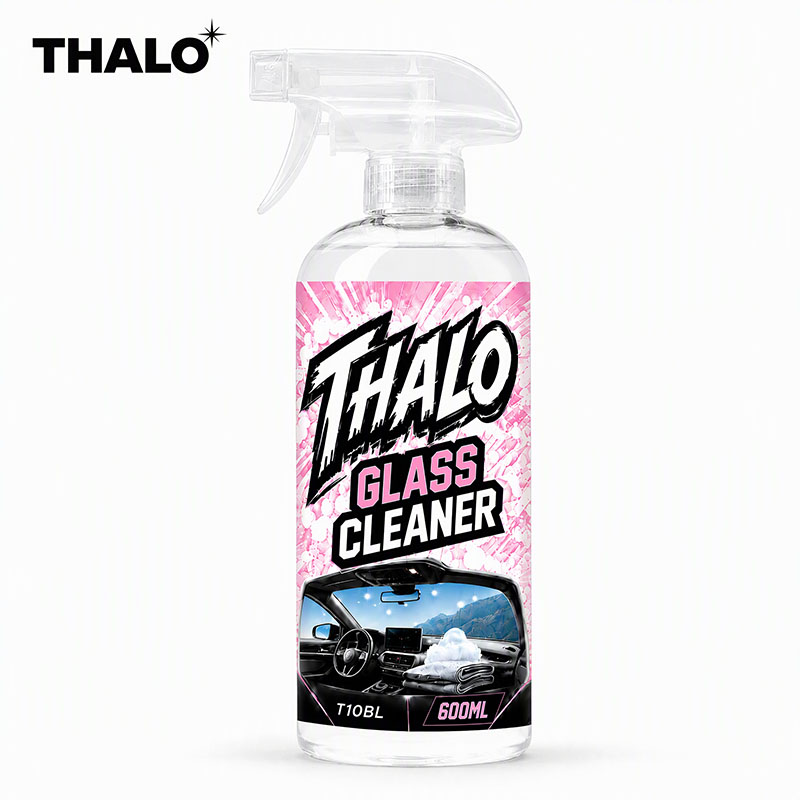
 Glass wiping solutionA clean view can change the feeling of every drive.
Dust, fingerprints and water marks can quickly build up on everyday car glass, making routine vehicle care feel like another chore. THALO Glass Cleaner Spray keeps the process simple: spray evenly, wipe with a cloth and refresh the look of your windshield, windows and mirrors.
The 600ml trigger bottle is easy to handle and fits naturally into a regular car-care routine at home, in the garage or before heading out. With its bold THALO design and practical spray format, it is a useful choice for drivers, detailing retailers and automotive-care collections.
Keep THALO nearby whenever your car glass needs a quick everyday refresh.

Can't find what you're looking for ?
Leave a Message we will call you back quickly!
Professional Service
Interested? Leave your contact details.
Search Starts Here

